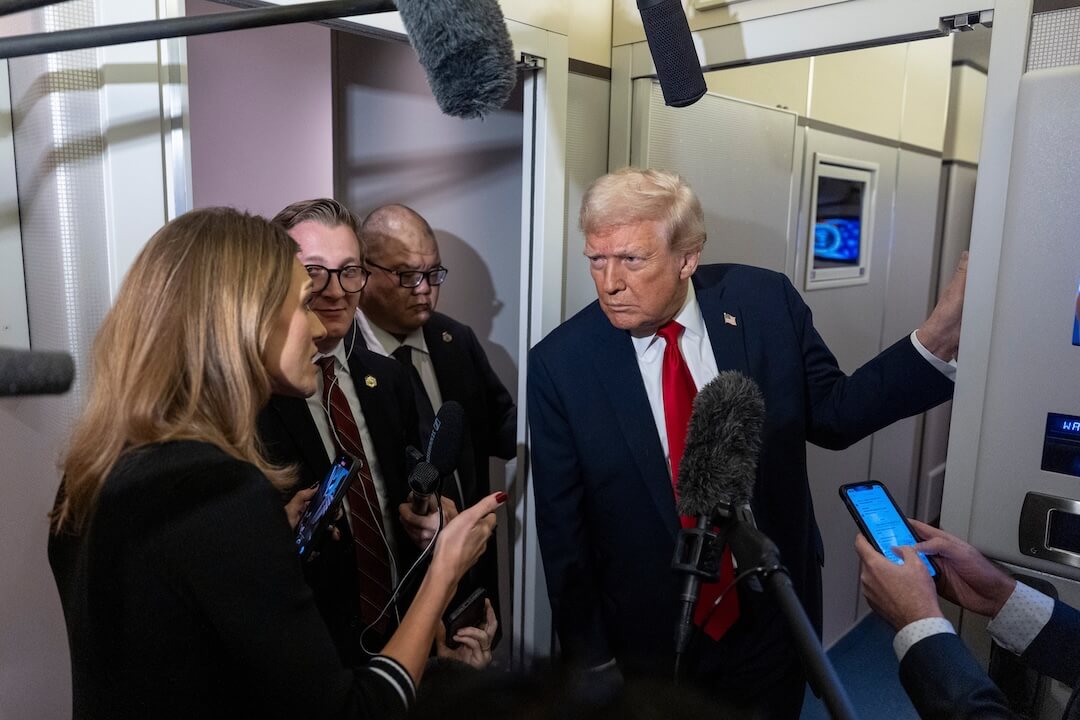
"I remember the first time a source humiliated me in public. I was walking down a busy hallway at police headquarters in Spokane, Washington, when the chief stormed out of the executive offices and, at the top of his lungs, told me that my newspaper was a piece of excrement, that I was a crappy reporter and that everybody in the department thought I was a joke."
"These days, with a president of the United States who revels in public mockery , it's a common occupational hazard for journalists, particularly women. In addition to recently a reporter "piggy," President Donald Trump has a journalist's physical disabilities and one of his interviewers at the 2024 NABJ conference for her tough opening question. But he's not the only one. Georgia Rep. Marjorie Taylor Greene a reporter to go back to her country."
Public figures increasingly humiliate and mock journalists in public settings, making ridicule an occupational hazard, especially for women. Incidents include shouted insults, dismissive labels, suggestions that reporters should leave the country, and accusations that investigative journalists are criminals. Such attacks aim to intimidate entire newsrooms and deter scrutiny of power. When officials lash out at reporters, the message targets anyone exercising the democratic right to question authority, which makes the behavior itself newsworthy. Responding to public humiliation poses risks because the power imbalance favors the source; retaliation can provoke venue expulsion, online harassment campaigns, and broader intimidation.
Read at Poynter
Unable to calculate read time
Collection
[
|
...
]