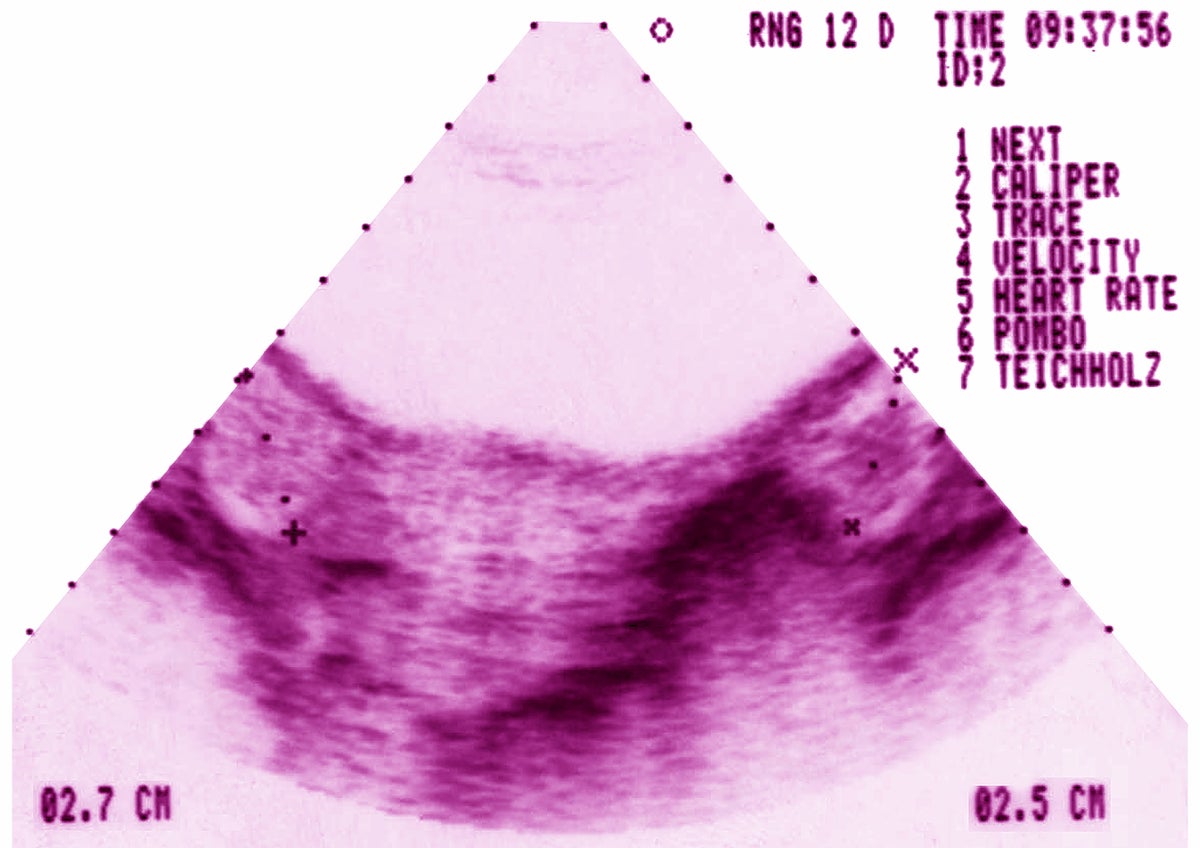
"In a policy paper, the panel explained that the name was inaccurate because it didn't fully capture the condition's metabolic and endocrine featuresincluding the fact that it likely affects men, too. The condition will now be called polyendocrine metabolic ovarian syndrome (PMOS)the group hopes the new diagnosis will be more accurate, reduce stigma and bolster research. The decision affects the estimated more than 170 million people who have PMOS."
"Long thought to be a gynecological disease that only affected people with ovaries, evidence suggests it is much more than that. Signs of PMOS can include obesity and hypertension, depression, eating disorders, acne and infertility, among others. These multisystem health impacts, the paper's authors write, are why PCOS needed to be reclassified as PMOS."
"Many people go undiagnosed or misdiagnosed, while many more feel dissatisfied with their medical care and severe stigma, the authors write. Still, the effort to revise the term for the condition had stopped and started many times over the past two decades. Now researchers hope that the name change will spark new studies into PMOS, such as its genetic componentsand perhaps potential treatments."
"Right now there is no U.S. Food and Drug Administrationapproved therapeutic for PMOS."
A global science consortium announced a new name for polycystic ovary syndrome: polyendocrine metabolic ovarian syndrome. The change is intended to correct a term that does not fully capture the condition’s metabolic and endocrine features, including evidence that it may affect men as well. The new diagnosis aims to reduce stigma and improve research focus. The condition is estimated to affect more than 170 million people. Symptoms and associated health impacts can include obesity, hypertension, depression, eating disorders, acne, and infertility. Many people are undiagnosed or misdiagnosed, and many report dissatisfaction with medical care and severe stigma. No FDA-approved therapy currently exists for PMOS.
Read at www.scientificamerican.com
Unable to calculate read time
Collection
[
|
...
]