"The study reveals for the first time how a novel RNA‑based treatment affects brain cell signaling when applied at early stages of development in a rare, severe and treatment‑resistant form of epilepsy caused by changes in a gene called KCNT1. If given very early - possibly even in utero, or for preterm infants - the treatment may help protect the developing brain from hyper-excitation, a means to reduce long‑term neurological harm, the study found."
"“We want to better understand things happening in the brain in utero that result in deficits to hopefully establish models and therapeutics that prevent the damage so the brain can develop under its normal timeline,” said corresponding author Richard Smith, PhD, assistant professor of Pharmacology and of Pediatrics."
"“The early brain is an amazingly plastic structure,” Smith said. “If we miss a therapeutic window, it becomes much harder to reverse the damage later as we manage symptoms in patients.”"
"Children with KCNT1-associated epilepsy of infancy with migrating focal seizures (EIMFS) can have dozens or even hundreds of seizures a day, often don't respond to standard treatments and face a high risk of early death."
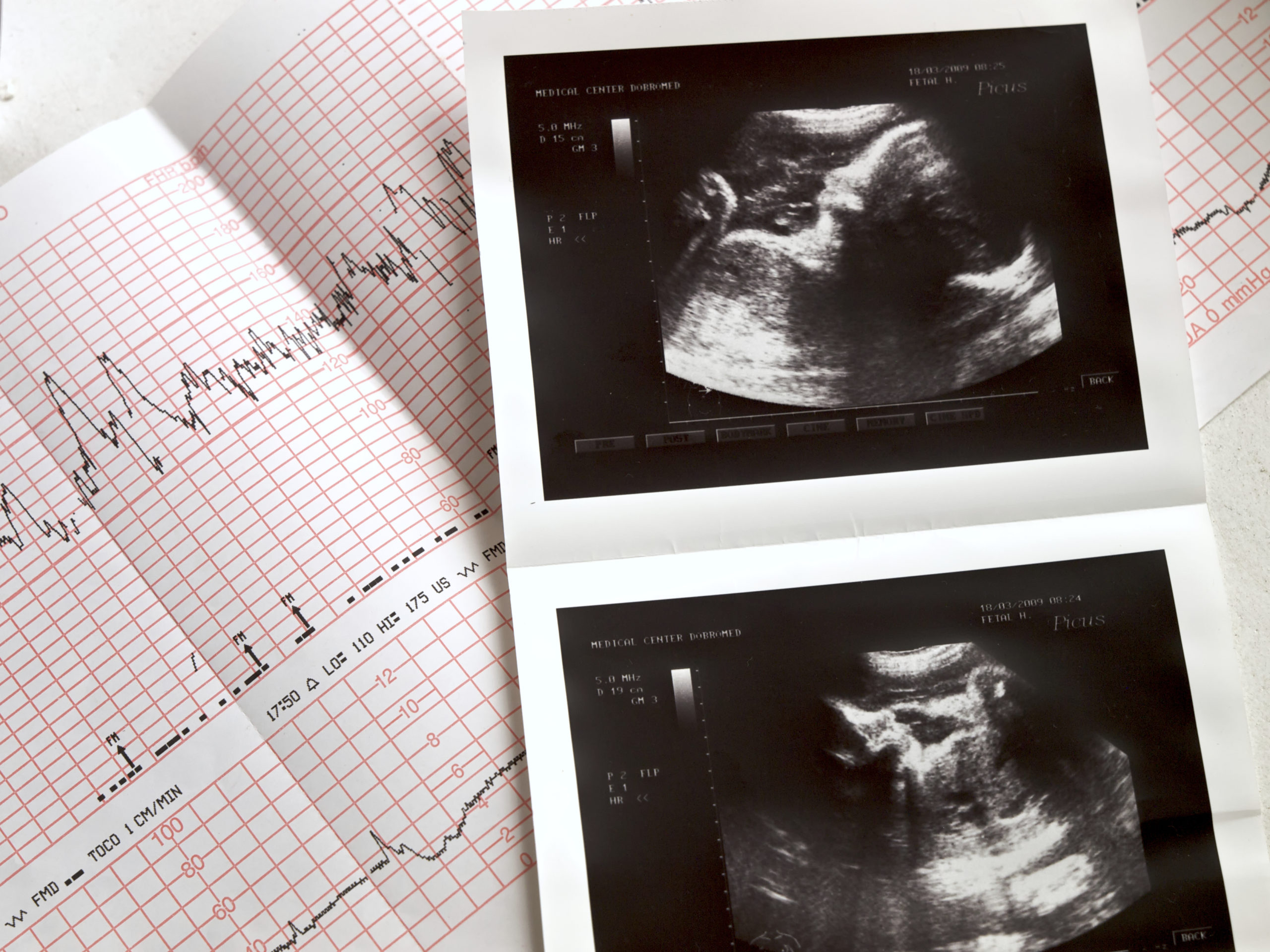
Early diagnosis and treatment can improve epilepsy outcomes, but the timing of intervention has been difficult to determine. A study from Northwestern University indicates that treatment could begin during pregnancy as early as 15 weeks gestation, before symptoms appear. The work examines a novel RNA-based treatment and its effects on brain cell signaling during early development in KCNT1-related epilepsy, a rare, severe, treatment-resistant disorder. Using lab-grown brain cells from children with severe KCNT1 mutations, researchers found that very early treatment, potentially in utero or for preterm infants, may protect the developing brain from hyper-excitation. This approach aims to reduce long-term neurological harm and preserve normal brain development.
Read at News Center
Unable to calculate read time
Collection
[
|
...
]