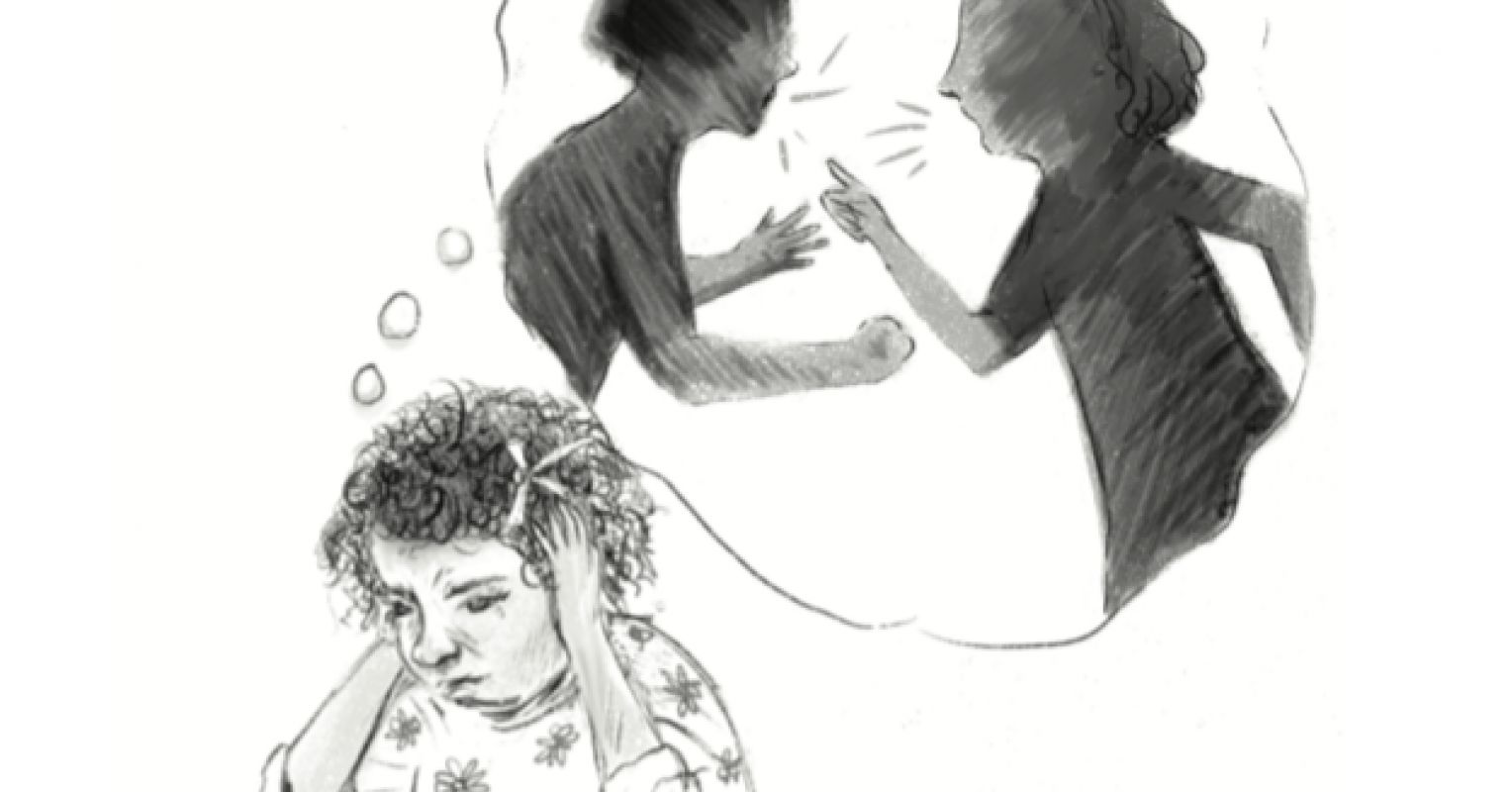
"Roughly 3-4 percent of the world's population struggles with Posttraumatic Stress Disorder ( PTSD); the rate is certainly higher in certain parts of the world. But we also know that not everyone who experiences a trauma develops PTSD and that people who do struggle it with may have very different symptoms from each other. So why does this happen with PTSD?"
"Imagine that you were at home and you got a call saying that an important guest or the landlord is on their way over. You look around your kitchen and you can see that it's a bit of a mess. Now if you had enough time you could organise your kitchen the way you like it, and put everything in the right place. But there's no time for that, so instead you just grab everything that's on a bench and throw it into any old cupboard. Within a few minutes, you have a kitchen that looks organised; there is nothing visible that is out of place and you get through the visit without anyone commenting on the state of the room."
"But later on, when you're looking in the pots-and-pan cupboard for a saucepan, you find a tin of beans. And when you're looking for the salt, you find some dirty coffee cups and a jar of peanut butter, but the salt is nowhere to be seen. It doesn't take long before going into your kitchen cupboards feels stressful and confusing because you don't know what you'll find, so you keep them closed as much as possible, replace the essentials and keep them in a separate place."
"At the time of a trauma, we do the best we can as we do what we need to do to get through the situation. But because we're in a state of stress and fear, we're not organising the events in our mind in a helpful way. The part that worries we're about to die doesn't get filed away next to the part that notices we actually survived and got away. The terrified part of us might get thrown into the wrong cupboard so we don't feel sure"
About 3–4% of the world’s population experiences posttraumatic stress disorder, with higher rates in some regions. Not everyone who experiences trauma develops PTSD, and symptoms can vary widely between people. A kitchen metaphor explains how, during a crisis, the mind prioritizes getting through the moment rather than organizing memories. Under stress and fear, traumatic events may not be filed alongside the parts that confirm survival. Fear-related reactions can be stored in the wrong mental “cupboards,” so later reminders create uncertainty, confusion, and heightened stress. People may avoid triggers, keep essentials separate, and feel unsafe when searching for ordinary things.
Read at Psychology Today
Unable to calculate read time
Collection
[
|
...
]