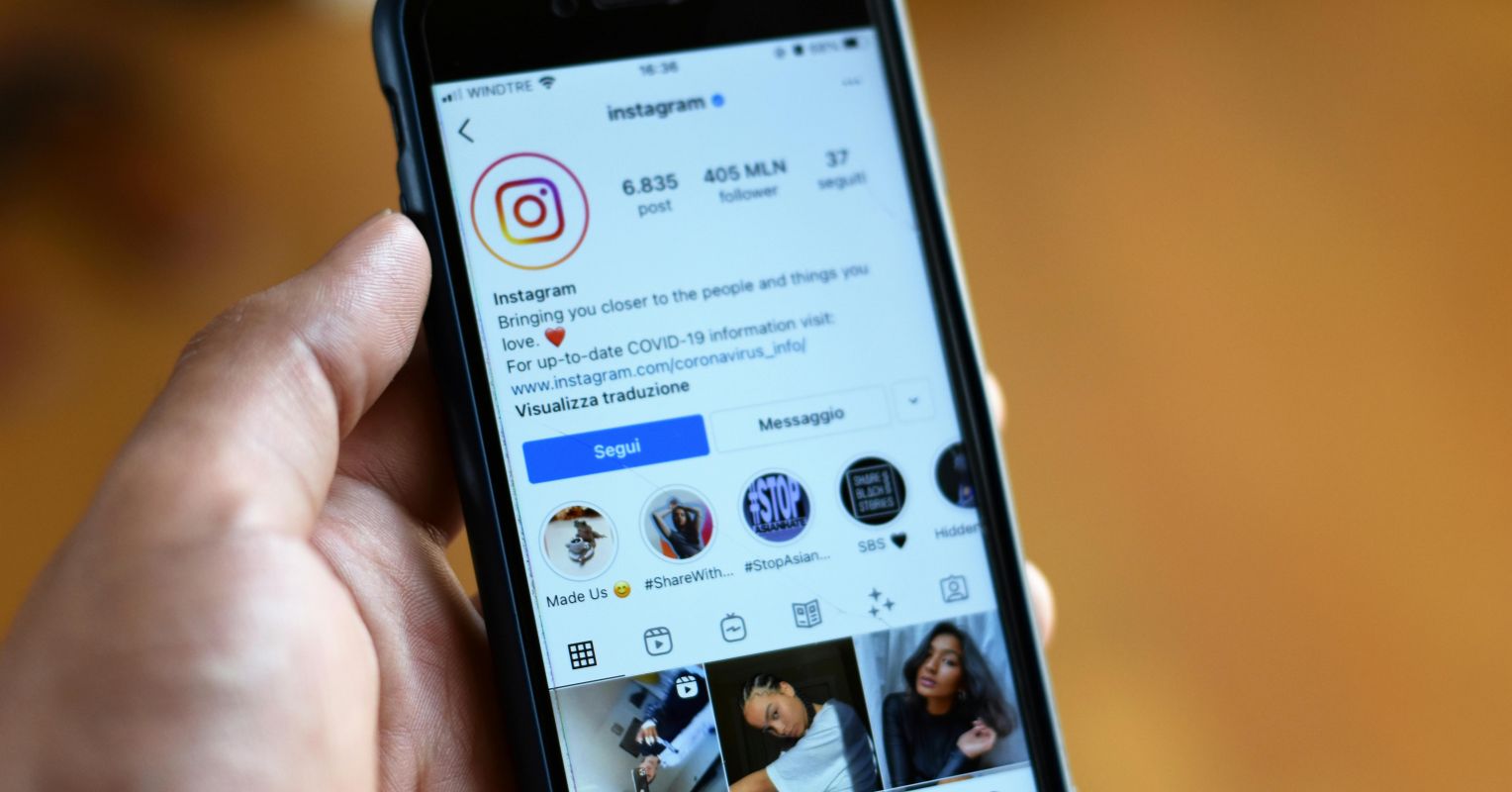
"Nearly 60 percent of the global population now uses social media, and young people are its most intensive users. Adolescents and young adults spend nearly three hours per day on social media on average, with a substantial proportion reporting five or more hours daily. For many young people, social platforms are not something they visit occasionally; they are the primary environment in which social life, identity formation, and emotional feedback unfold."
"In 2024, Ahmed and colleagues published one of the largest systematic reviews to date on social media, mental health, and sleep. The study synthesized data from over 1.1 million children, adolescents, and young adults across 182 studies worldwide. The headline finding is nuanced but important: General social media use shows small but consistent associations with depression and anxiety. Problematic social media use, defined as use that feels compulsive, hard to control, or interferes with daily life, shows stronger and more robust associations with depression, anxiety, poorer well-being, and sleep problems."
"In other words, the issue isn't simply time spent online. It's how platforms are designed to capture attention and keep it. Features like infinite scroll and reinforcement likely contribute to harm by promoting compulsive use. When engagement is engineered to feel rewarding and difficult to stop, some users experience compulsive patterns that interfere with daily life and worsen mental health and sleep."
"A jury verdict supports shifting responsibility away from individual users and toward engineered engagement. The verdict reflects the idea that harm can be driven by product design choices that encourage compulsive use, rather than by personal weakness alone. This framing emphasizes accountability for how platforms are built to maximize time and attention, especially among young people."
Social media is a central part of adolescence, with nearly 60% of the global population using it and young people among the most intensive users. Adolescents and young adults spend about three hours per day on social media, and many report five or more hours daily. Short-form video platforms dominate youth culture because they are fast, entertaining, and engineered to keep attention longer. Large-scale research synthesizing data from over 1.1 million young people across 182 studies finds small but consistent links between general social media use and depression and anxiety. Problematic, compulsive social media use shows stronger associations with depression, anxiety, poorer well-being, and sleep problems. Platform features such as infinite scroll and reinforcement likely contribute to harm by promoting compulsive use, shifting responsibility away from individual users toward engineered engagement.
Read at Psychology Today
Unable to calculate read time
Collection
[
|
...
]