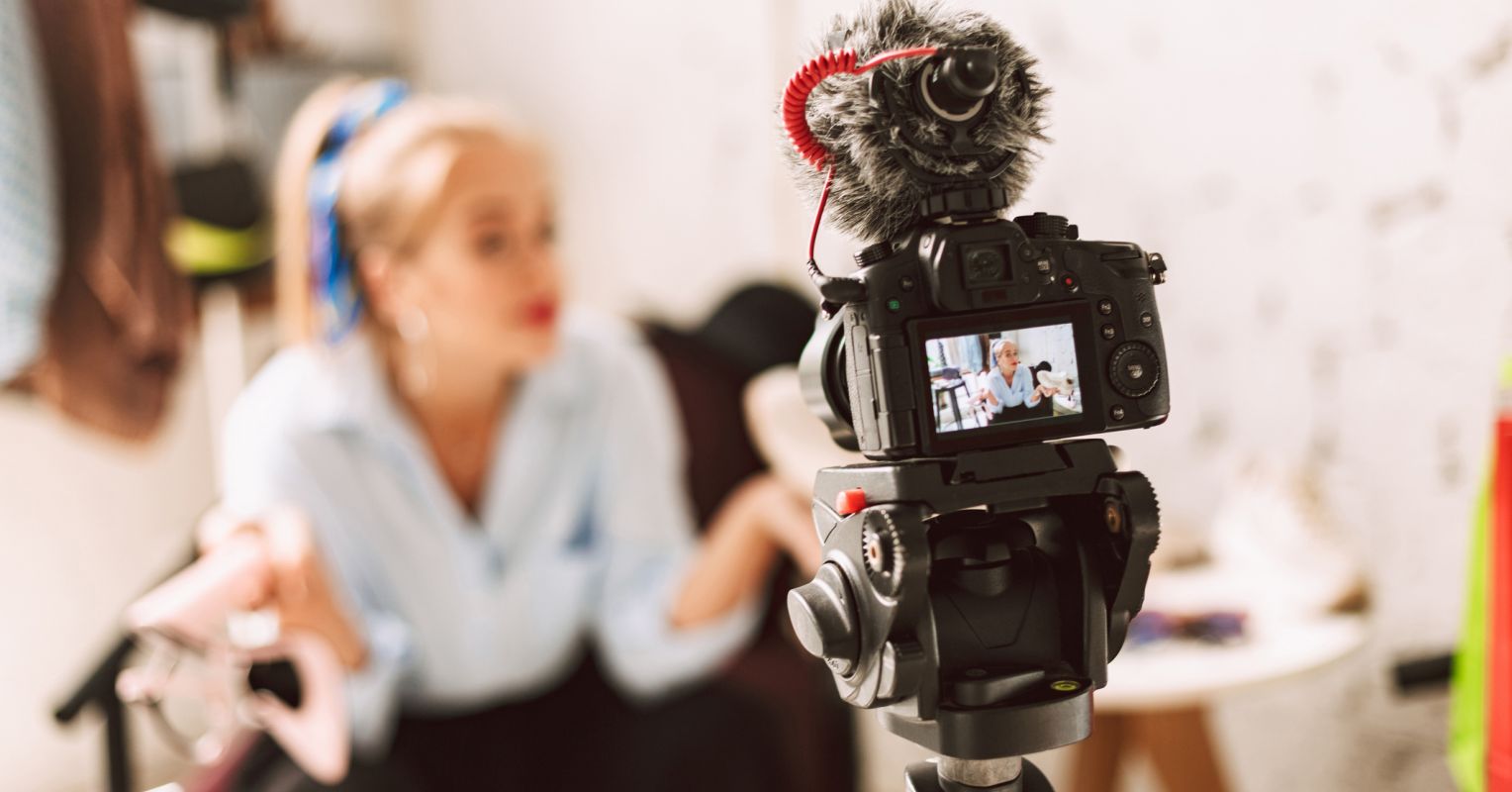
"Because I share the same kind of information online that I do in the in-person seminars I present at conferences, I consider myself an educator and the content I share to be psychoeducation. That is, I share mental health research, general stories about the different kinds of cases with which I have worked, and psychotherapeutic insights to give viewers and attendees the opportunity to learn about the sorts of things that we therapists address every day in our work."
"As in any book I have published, I disguise any clients with whom I have worked and share only generalities and composites of the types of cases that are most common in the people who come to see me. The digital world has become a significant part of nearly everyone's life. Many, many therapists now post videos online."
"Foremost, many people don't have access to therapeutic resources. They may not know others who have entered therapy and thus don't understand its value. Many who read and listen to my content outside the therapy room say they cannot afford therapy, and this content helps them. I make sure in all my resources I remind them it is not actual therapy they are receiving, rather it is psychoeducation that has its value."
"Licensed professionals online help balance unqualified voices spreading inaccurate mental health information. Ethical mistakes by some shouldn't silence the many who are using social media responsibly."
Online therapist-created posts and videos provide psychoeducation rather than actual therapy. Content shares mental health research, generalized case stories, and psychotherapeutic insights to help viewers understand common issues addressed in clinical work. Digital visibility has become a normal part of modern practice and can be clinically helpful, including through mechanisms related to transference. Many people lack access to therapy due to cost or limited exposure to therapeutic resources, so psychoeducational material can offer learning and support. Licensed professionals online can help balance unqualified voices that spread inaccurate mental health information. Ethical missteps by some should not silence responsible use of social media by many clinicians.
#psychoeducation #teletherapy-and-online-mental-health #ethics-in-mental-health #therapist-social-media #access-to-mental-health-care
Read at Psychology Today
Unable to calculate read time
Collection
[
|
...
]