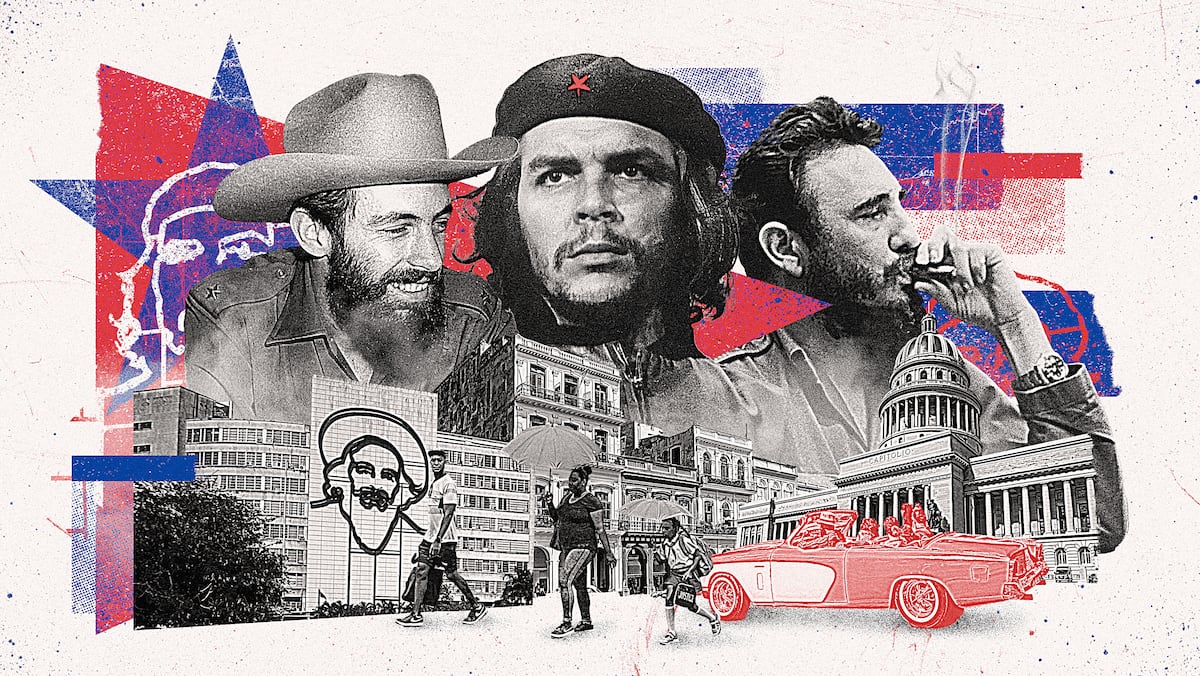
"Dawn breaks in Havana. It's May Day Labor Day and people begin gathering early at four strategic points in the city, in order to march with signs and banners to the Jose Marti Anti-Imperialist Platform. In the year 2000, Fidel Castro ordered that the public event venue be built across from the United States Embassy, in order for him to speak directly to the U.S. and demand the return of Elian Gonzalez, the six-year-old boy whom Cuba turned into a political trophy in the eyes of Washington."
"Today, it all seems so distant: Castro died a decade ago. And Elian, now 32, graduated as an industrial engineer and has a daughter. Certain things, however, remain unchanged: the enduring cold war with the Americans, and the warning to Cubans that, if they miss the annual parade, they could lose their meager monthly salary even their job or at least earn the disapproval of their boss."
"Irma, an epidemiologist who asks that, as a precaution, her real name not be used by EL PAIS, isn't even worried about getting into trouble anymore. I'm not going to the Platform, she says over the phone from her workplace, the Institute of Immunology and Hematology in the Havana neighborhood of Vedado. I can't make that walk while I'm starving, no way; I have to save my energy."
"In other parts of the capital, however, there was silence. People were staying home; it didn't seem like the government had called for a major parade. Most people aren't in that May Day spirit, the taxi driver says. People are hungry, people are fed up."
Dawn in Havana brings early gatherings at four strategic points for a march with signs and banners toward the Jose Marti Anti-Imperialist Platform. In 2000, Fidel Castro ordered a venue built across from the United States Embassy so he could speak directly to the U.S. and demand the return of Elian Gonzalez. Castro has since died and Elian is now an adult with a family, yet the cold war posture persists. Some Cubans still attend, citing homeland danger and patriotic duty, while others avoid the walk because they are starving or lack energy. In parts of the city, silence replaces the parade as people stay home, saying they are hungry and fed up.
Read at english.elpais.com
Unable to calculate read time
Collection
[
|
...
]