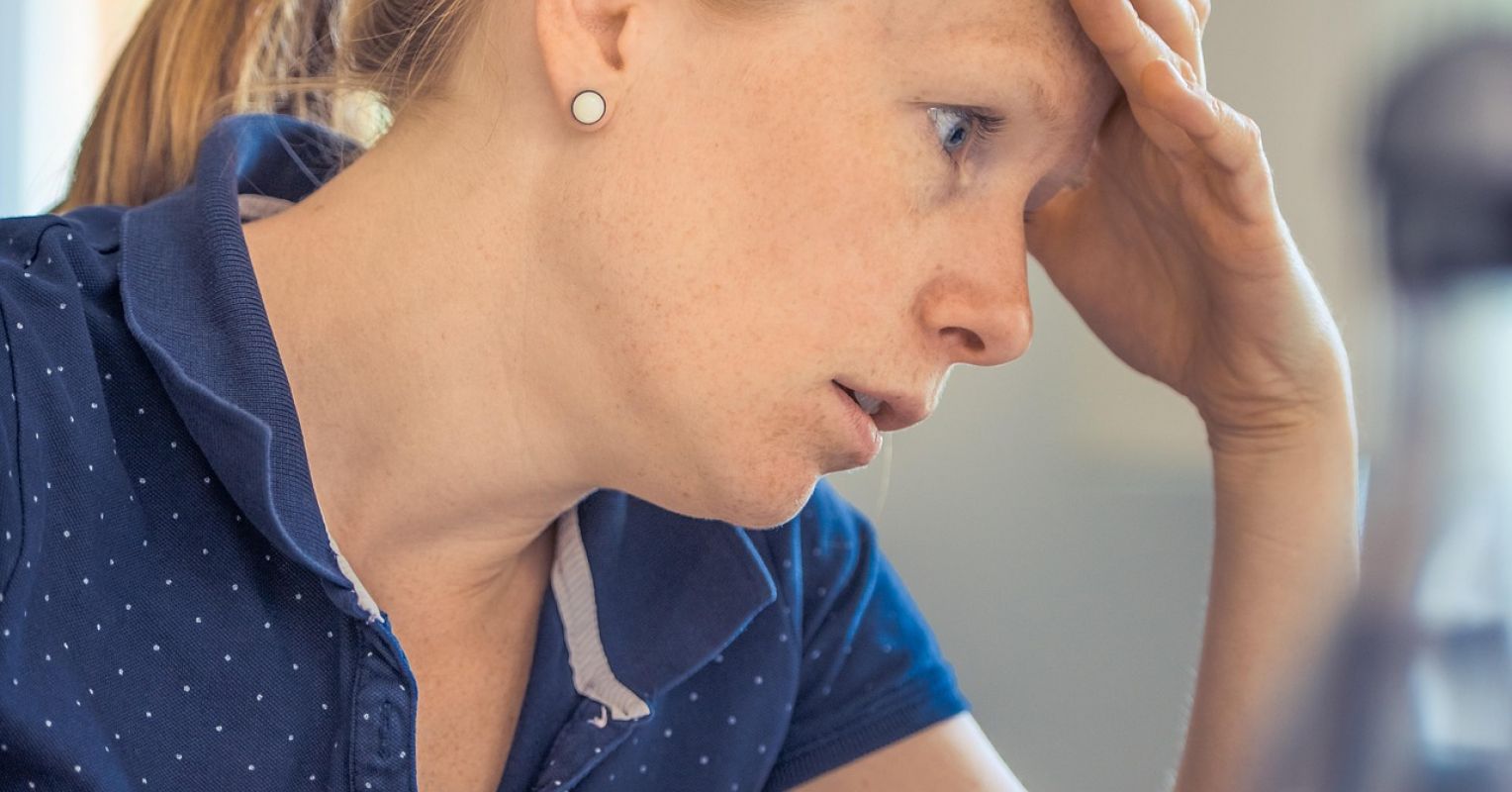
"Somewhere deep down, I believe that if I sufficiently shame myself for today's failures, tomorrow's version of me will magically become organized, focused, energetic, and alert. Tomorrow's Maggie, having absorbed the lecture, will rise at dawn glowing with initiative, alphabetizing spices while replying to emails with military precision."
"But what if that's not true? What if the constant self-reprimand doesn't sharpen us but depletes us? What if the voice endlessly reviewing our failures is not a wise mentor but an energy leak? Lately, I've started wondering whether this habit is less about growth and more about superstition."
"As if criticizing myself proves I care. As if punishing myself demonstrates responsibility. After all, if I don't scold myself, who will? There is almost something moral about it in American culture. A person calmly eating a sandwich after missing a deadline seems suspicious. We admire people who are hard on themselves."
"But I'm beginning to suspect that many of us are trying to hate ourselves into becoming better organized. And the odd thing is, the voice that claims to be helping me improve rarely leaves me feeling capable. Mostly, it leaves me feeling vaguely doomed before noon. It creates a low atmospheric pressure of inadequacy that follows me around the house while I unload the dishwasher, make phone calls, and tackle my to-do list."
Self-reprimands like “You should have…” run throughout the day and are believed to improve future performance. The idea is that shame will transform tomorrow into a more organized, focused, energetic person. Doubt arises about whether this constant criticism actually sharpens abilities or instead drains them. The habit is framed as superstition or a psychological ritual, where punishing oneself is treated as proof of responsibility. Cultural expectations reward internal harshness, and calm behavior after missing deadlines can seem suspicious. The self-critical voice often leaves a person feeling doomed and followed by a low-pressure sense of inadequacy while completing daily tasks.
Read at Psychology Today
Unable to calculate read time
Collection
[
|
...
]