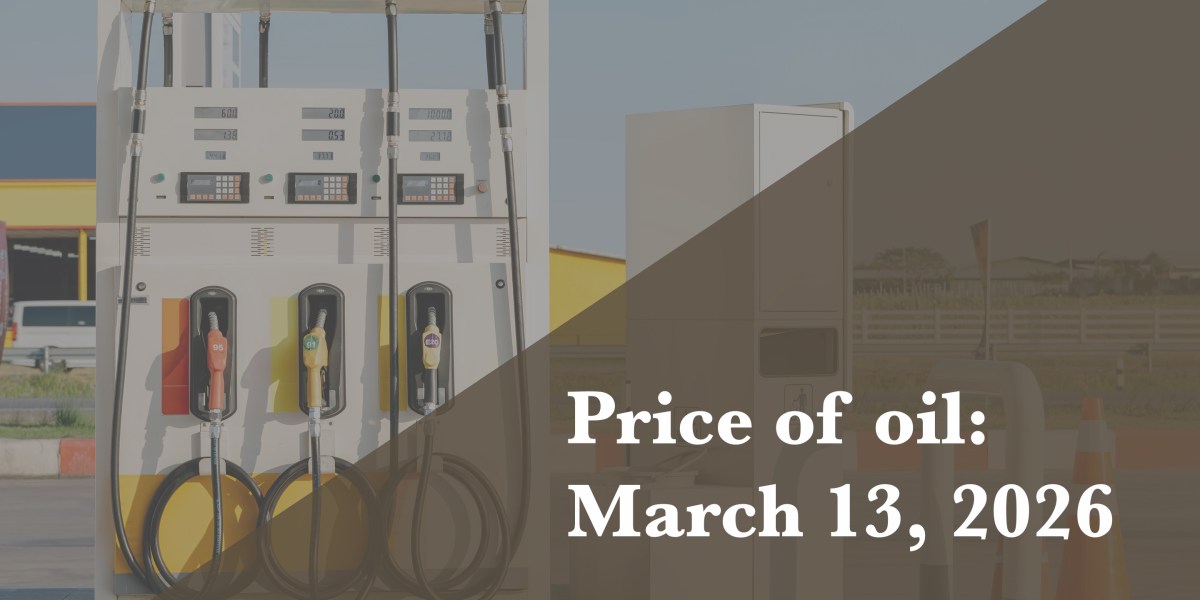
"It's impossible to forecast oil prices with detailed precision. Many different elements affect the market, but ultimately it boils down to supply and demand. When worries about economic recession, war, and other large-scale disruptions increase, oil's path can shift fast."
"Gas prices at the pump don't only track crude oil. They also include what it takes to refine and move that fuel, the taxes layered on top, and the extra markup your local station adds to stay in business. Since crude oil generally makes up a majority of the per-gallon cost, changes in its price have an outsized impact."
"In case of emergency, the U.S. has a store of crude oil known as the Strategic Petroleum Reserve. Its primary purpose is energy security in case of disaster (think sanctions, severe storm damage, even war). But it can also go a long way toward softening crippling price hikes during supply shocks."
Oil prices are determined by supply and demand fundamentals, with various factors including economic recession concerns, geopolitical conflicts, and large-scale disruptions causing rapid market shifts. Gas pump prices reflect crude oil costs plus refining, transportation, taxes, and retailer markups, with crude oil representing the largest component. Price increases at the pump typically follow oil surges quickly, but decreases lag behind, a phenomenon called "rockets and feathers." The U.S. Strategic Petroleum Reserve serves as an emergency energy security measure, providing temporary relief during supply shocks to protect consumers and critical economic sectors. Oil and natural gas prices are interconnected, as industries may substitute between fuels based on price changes.
Read at Fortune
Unable to calculate read time
Collection
[
|
...
]