"Organizations increasingly invest in training to address perceived capability gaps. Yet despite rising investment, performance improvements remain inconsistent. A key but often overlooked reason is conceptual confusion between abilities, skills, and competencies in workforce development systems."
"When these terms are used interchangeably, they represent distinct levels of human capability with different implications for diagnosis and intervention. If these distinctions are blurred, organizations risk misidentifying performance problems and applying ineffective solutions. A capability-based diagnostic perspective distinguishes between abilities, skills, and competencies and aligns with appropriate interventions."
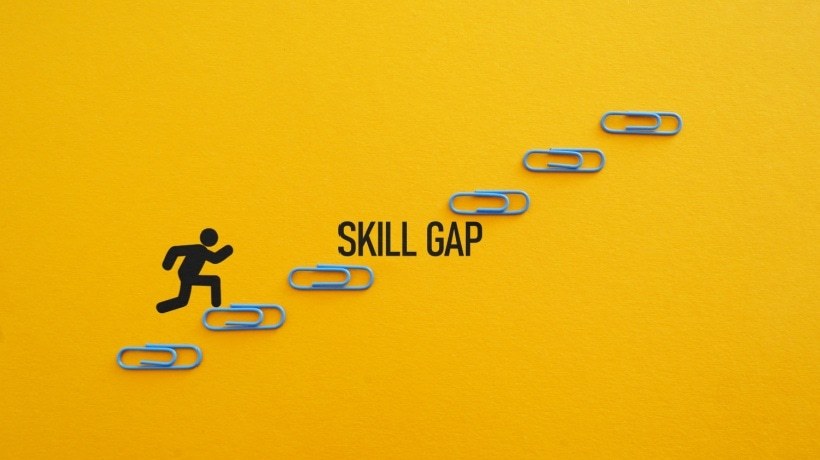
"In many organizations, “skill gaps” are used as a default explanation for performance problems. For example, when employees struggle in client meetings, people quickly assume they lack communication training. However, the underlying issue may not be a lack of communication skills. It may reflect a competence gap (difficulty applying knowledge in context) or an ability limitation (difficulty processing complex information in real time)."
"If you only treat the symptoms (for example, giving communication training), the visible issue might improve for a short time. But if the real cause is still there (like unclear instructions, lack of confidence, poor team processes, or too much workload) the same difficulties will show up again."
Organizations invest in training to close capability gaps, but performance gains often remain inconsistent. A major cause is conceptual confusion between abilities, skills, and competencies in workforce development systems. Abilities describe overall capacity to perform effectively, including processing complex information in real time. Skills and knowledge are components, while competencies involve applying knowledge and skills effectively in job contexts. When organizations treat “skill gaps” as the default explanation, they may overlook competence gaps or ability limitations. Training that targets visible symptoms, such as communication techniques, may produce short-term improvement while deeper causes like unclear instructions, confidence issues, team processes, or workload persist. A capability-based diagnostic approach distinguishes these levels and aligns interventions to the true underlying cause.
#workforce-development #training-effectiveness #capability-modeling #performance-diagnosis #skills-vs-competencies
Read at eLearning Industry
Unable to calculate read time
Collection
[
|
...
]