"“Are you looking for that flesh-eating bacteria?” she asked. “We’re looking into it,” they replied, hoping not to frighten her. The woman turned back toward the ocean, her curiosity satisfied. As she walked away, Kumar noticed that she had scrapes and bruises on her body. A few minutes later, he watched her step into the waves. He shook off a chill and returned to the task at hand."
"Vibrio, part of a lineage of ancient marine species that likely emerged sometime around the Paleozoic era. Researchers think there are more than 70 Vibrio species in the environment today, hundreds of millions of years later. The organisms float in warm, brackish water, attaching themselves to plankton and algae and accumulating in prolific water-filtering species such as clams and oysters."
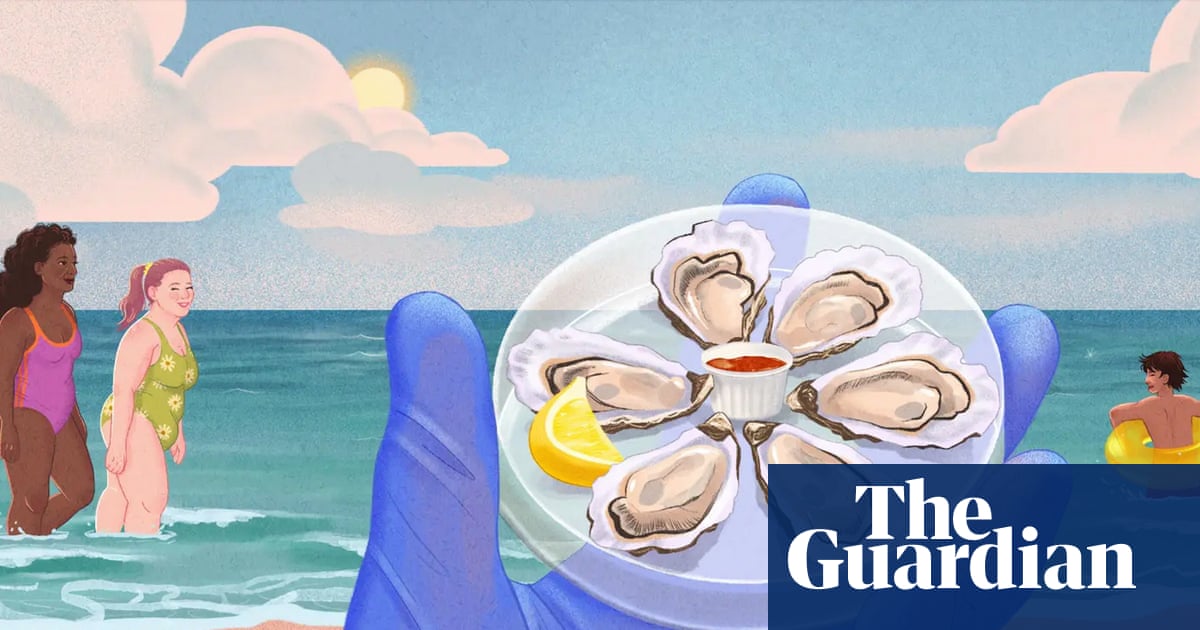
"A small number of Vibrio species can sicken and even kill. In worst-case scenarios, a person who has been exposed to the most dangerous of them by swimming in brackish water with an open wound or ingesting a piece of raw shellfish that is contaminated with the toxin may find themselves with only hours before the flesh on one or more extremities starts to bruise, swell and decay. Without the quick aid of powerful antibiotics, septic shock can set in and lead to death."
"Anyone can get infected, though it is much more likely in people who have liver disease or are immunocompromised, elderly people or people who are diabetic. A first warning signal The climate crisis is making the world’s oceans,"
Two researchers collected seawater samples on Pensacola Beach while wearing protective gear and handling test tubes. An older woman asked whether they were looking for flesh-eating bacteria and left after learning they were monitoring water quality. The researchers study Vibrio, an ancient lineage of marine bacteria that persists in warm, brackish water. Vibrio attaches to plankton and algae and can accumulate in filter-feeding shellfish such as clams and oysters. Some Vibrio species can sicken or kill, with severe cases involving rapid tissue damage after exposure through swimming with open wounds or eating contaminated raw shellfish. Powerful antibiotics are needed to prevent septic shock and death, and risk is higher for people with liver disease, weakened immunity, older age, or diabetes. Ocean warming linked to climate change increases concern about exposure.
#vibrio-bacteria #water-quality-monitoring #climate-change-and-oceans #infectious-disease #shellfish-safety
Read at www.theguardian.com
Unable to calculate read time
Collection
[
|
...
]