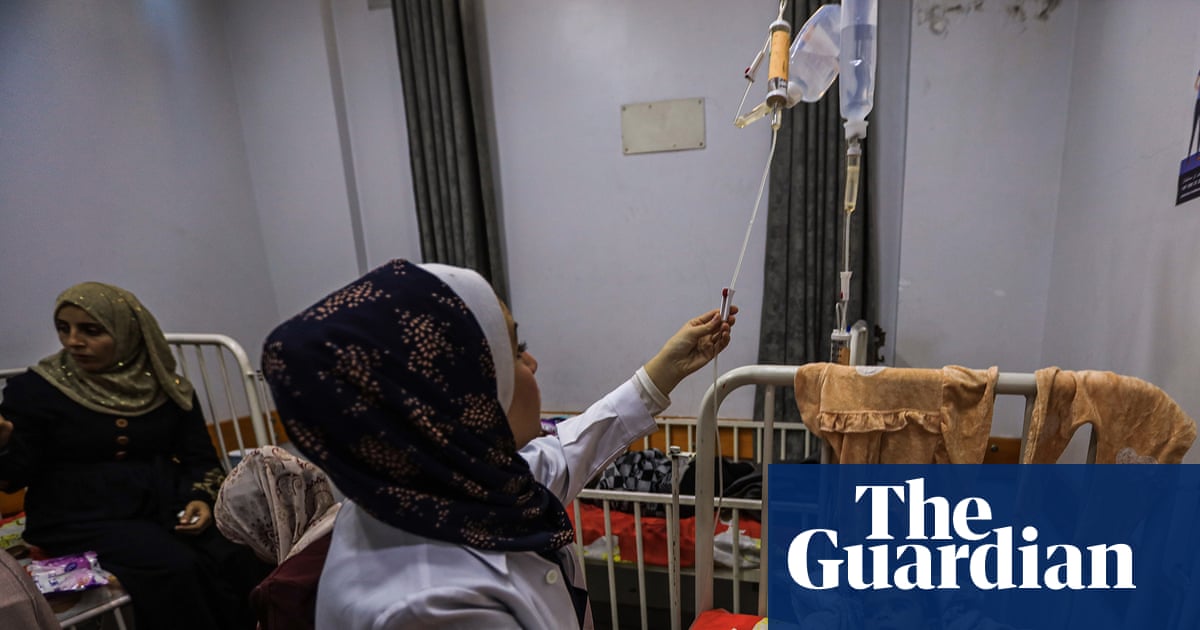
"In Gaza's hospitals I have met several newborns who weighed less than one kilogramme, their tiny chests heaving with the effort of staying alive. According to Unicef figures, 9,300 children were treated for severe acute malnutrition in October. That is significantly less than the peak of 14,000 children in August, but much more than the child malnutrition rate during the previous ceasefire in February and March of this year."
"In October, about 8,300 pregnant and breastfeeding women were also hospitalised for acute malnutrition. This pattern is a grave warning and it will likely result in low birthweight babies being born in the Gaza Strip for months to come, Ingram added. This is not over. Generations of families, including those being born now into this ceasefire, have been forever altered by what was inflicted upon them."
"Unicef and other UN agencies say that aid deliveries crossing into Gaza have increased since the height of the war, but are still completely inadequate in relation to the humanitarian needs. An average of 140 aid trucks a day have crossed so far in December, in convoys organised by the UN and the International Organisation for Migration. That is well below the target of 600"
Malnutrition remains severe among Gaza's children despite a ceasefire two months earlier. Over 9,000 children were hospitalized for severe acute malnutrition in October, down from an August peak of 14,000 but higher than rates during an earlier ceasefire. About 8,300 pregnant and breastfeeding women were hospitalized for acute malnutrition in October. Newborns under one kilogram were observed in hospitals. Aid deliveries have increased since the height of the war but remain far below needs. An average of 140 aid trucks per day crossed into Gaza in December, well below the target of 600, and Israeli restrictions on shipments continue.
Read at www.theguardian.com
Unable to calculate read time
Collection
[
|
...
]