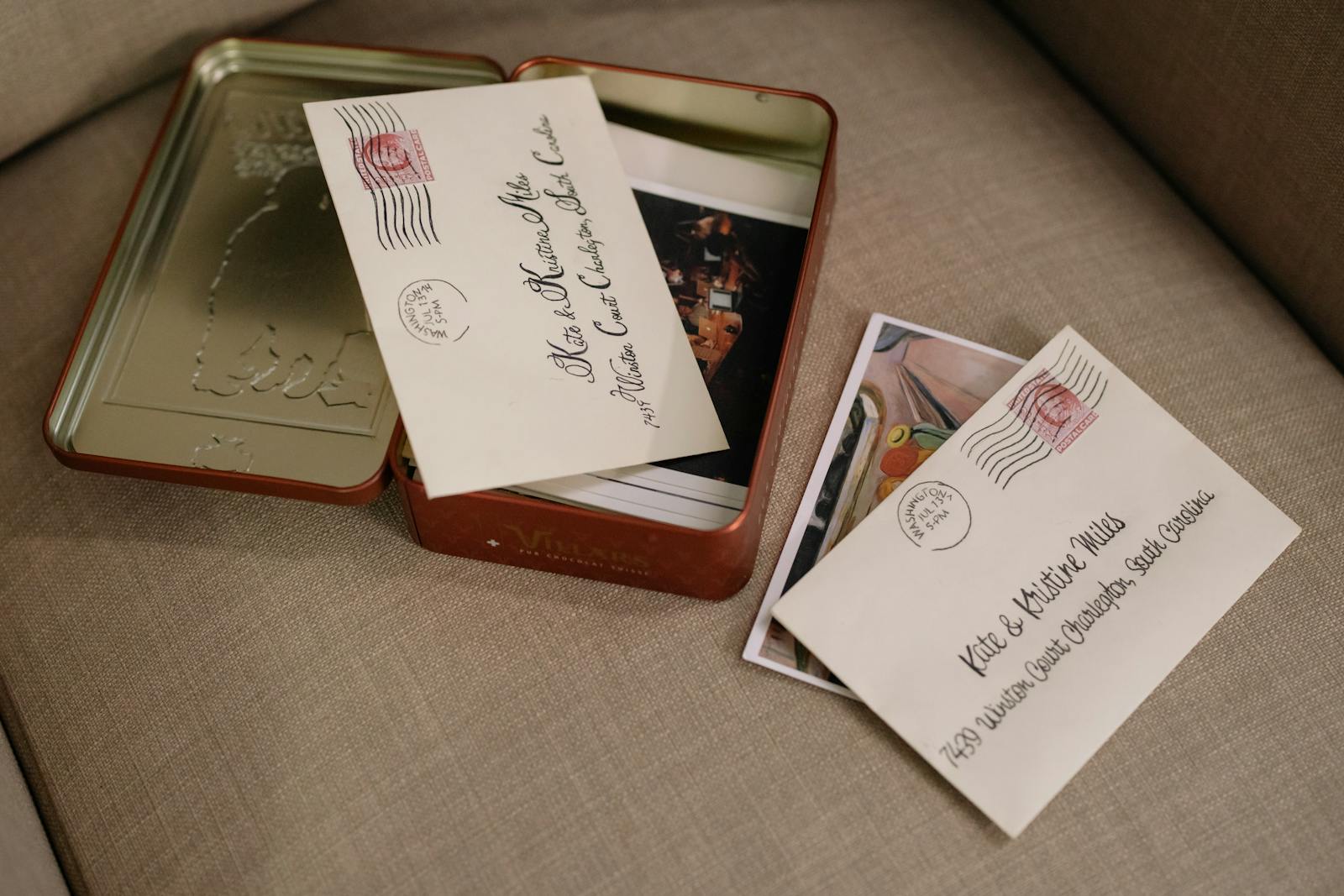
"The labeled box on the top shelf of the closet is rarely about the cards inside it. The cards are real, the handwriting is real, the photographs are real. But the box itself, the labeling, the careful chronology, the fact that nothing has ever been thrown out and nothing ever will be - that part is doing different work. That part is a private archive built by someone who learned, very early, that affection could disappear without warning and the only way to be sure it had happened was to keep the receipts."
"Most people read this behavior as sentimentality. A soft trait. A sweet quirk. The kind of thing you tease a partner about when they refuse to part with a birthday card from 2003. I think the read is wrong, or at least incomplete. Sentimentality is warm and outward. The labeled-box behavior is something quieter and more defensive. It is evidence-keeping. And evidence-keeping, when you look at where it tends to come from, has a pattern."
"There is a version of holding onto objects that is genuinely about love of the object. People who frame photographs and put them on the wall. People who pin a child's drawing to the fridge for a few weeks and then quietly recycle it. The relationship to the object is light. The memory does not depend on the paper. And then there is the other version. The shoebox of every card anyone has ever written. The folder of handwritten notes from friendships that ended a decade ago. The negatives of photographs already digitized three times. Everything labeled by year. Everything findable. Everything kept where no one else can get to it."
"That is not the same behavior. The second version treats the object as the load-bearing wall. If the card is gone, the proof is gone. If the proof is gone, the love might never have happened in the first place. Which is a strange thing for an adult brain to believe. So the question is where the belief comes from. What the attachment research actually say"
A labeled box on a closet shelf contains real cards, handwriting, and photographs, but the labeling and chronology do different work. The behavior is often mistaken for sentimentality, yet it operates as evidence-keeping. Evidence-keeping tends to follow a pattern tied to fear that affection can vanish unexpectedly. Keeping objects can be light and love-centered, such as displaying photos or briefly keeping a child’s drawing. Another form treats objects as load-bearing proof, where losing the card means losing the evidence that love occurred. This belief can feel strange in adulthood, raising questions about where it originates.
#memory-keeping #emotional-attachment #evidence-and-proof #sentimentality-vs-defensiveness #relationships-and-loss
Read at Silicon Canals
Unable to calculate read time
Collection
[
|
...
]