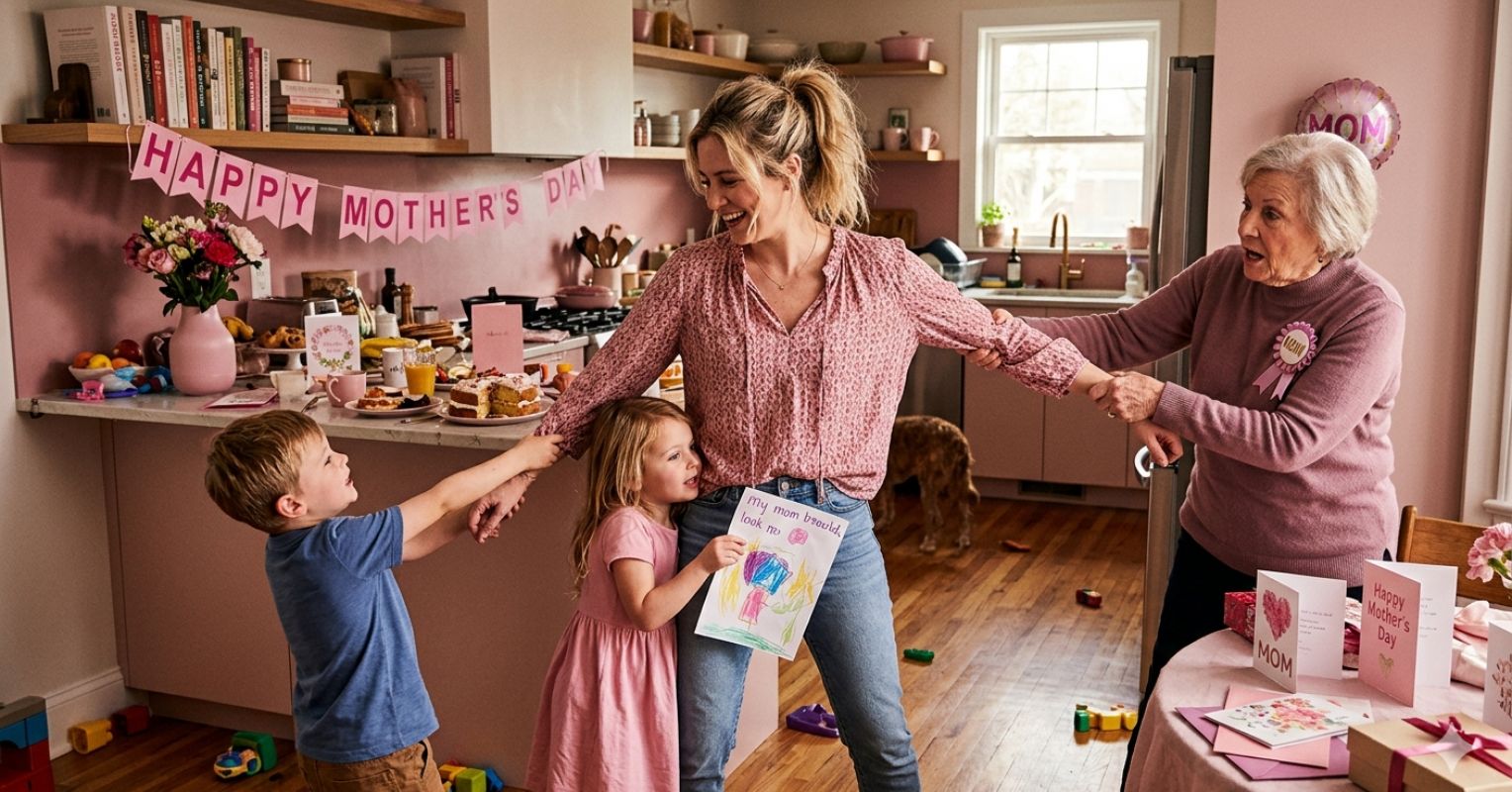
"Mother’s Day is often framed as straightforward: buy flowers, make a call, show up. But for many adult daughters, it is one of the most emotionally complex days of the year. It simultaneously activates questions of identity, relational history, role transition, and invisible labor. Research on adult mother-daughter relationships consistently shows these bonds are among the most emotionally significant-and most emotionally variable-relationships in a woman’s life. Mother’s Day does not exist outside that complexity. It concentrates it."
"Much of this complexity stems from the fact that the daughter role itself is not static. In Good Daughtering (2026), I introduce the term daughterescence to describe a developmental shift in adulthood in which a woman psychologically and relationally repositions herself in relation to her mother, becoming fully differentiated as an adult while remaining in relationship. This is not estrangement or rebellion. It is the gradual, often unacknowledged process of becoming psychologically sovereign, your own woman. It is developing an internal sense of self no longer governed by maternal approval, and learning that care and obedience are not the same thing."
"Whether Mother’s Day brings grief, conflict, or joy, intentionality is the goal-not perfection. Your Mother’s Day experience is shaped by your relationship history, not a greeting card ideal. Naming your emotional reality before a big day arrives reduces reactivity and resentment. Boundaries aren’t rejection; they’re how adult daughters stay connected on their own terms."
Mother’s Day often triggers grief, conflict, or joy for adult daughters, activating identity questions, relational history, role transition, and invisible labor. Adult mother-daughter bonds are emotionally significant and variable, and the day concentrates that complexity. The daughter role shifts through a developmental process of becoming psychologically sovereign while staying in relationship, not through estrangement or rebellion. A daughter’s experience is shaped by relationship history rather than greeting-card ideals. Naming emotional reality before the day arrives reduces reactivity and resentment. Boundaries function as a way to stay connected on adult terms rather than as rejection.
#mother-daughter-relationships #emotional-boundaries #adult-development #grief-and-estrangement #self-differentiation
Read at Psychology Today
Unable to calculate read time
Collection
[
|
...
]