"Over the next 278 seconds, four more alarms trigger: Alarm 1202, Alarm 1201, Alarm 1202, Alarm 1202. The system is overloaded. Aldrin and Armstrong are instructed by the NASA crew on the ground to proceed with the landing. But the NASA team members know that their colleagues have done a good job and programmed in a safety net. And thanks to the error messages, they know how to address the problem."
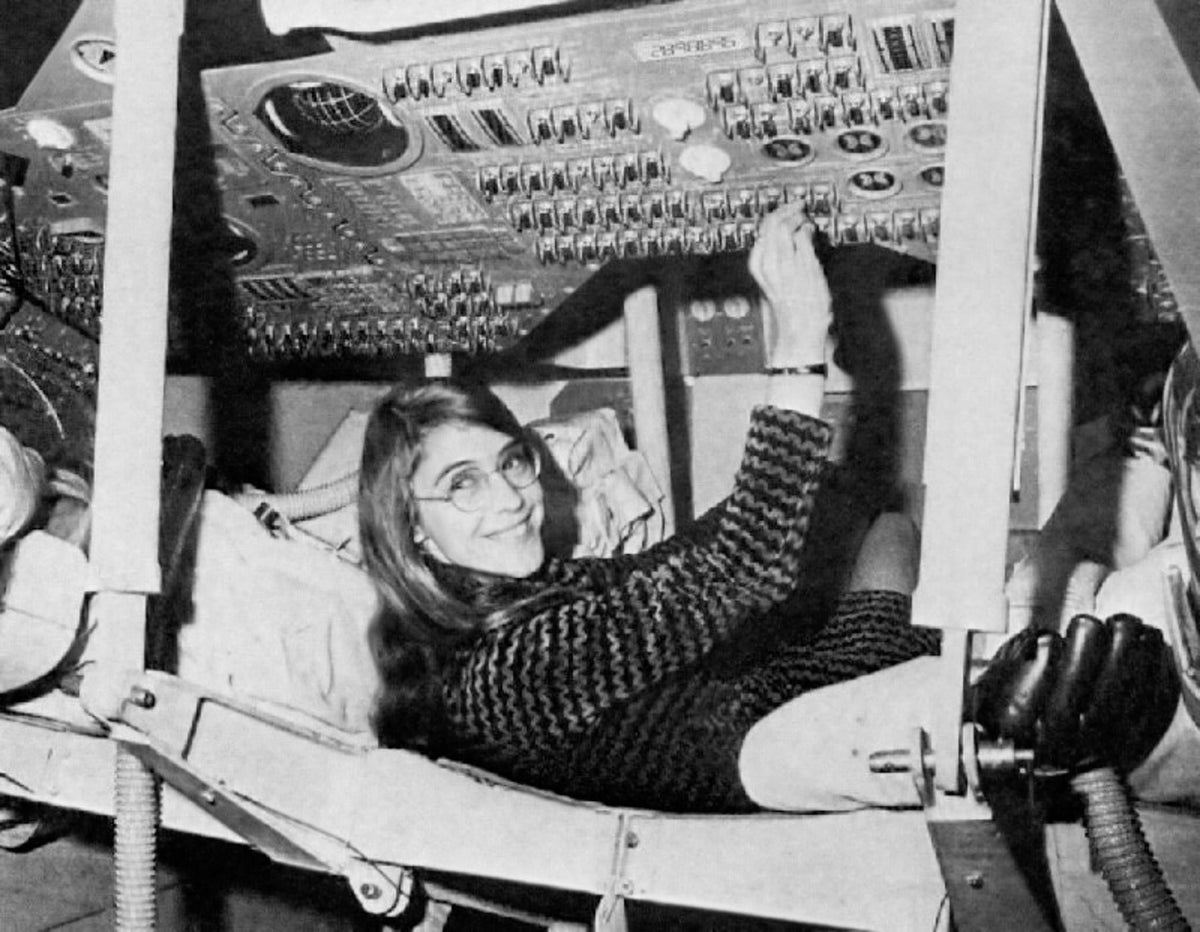
"Computer scientist Margaret Hamilton was one of the people responsible for the features that ultimately made the moon landing possible, despite those error messages. And her then four-year-old daughter may have helped spur her thoughts. On supporting science journalism If you're enjoying this article, consider supporting our award-winning journalism by subscribing."
"The computer onboard Apollo 11's lunar module had about a mere 74 kilobytes of storage in the form of read-only memory (ROM). To put that in perspective, today's smartphones easily have 128 gigabytes of ROM storage, which is about two million times moreall so we can kill time on Instagram and TikTok. Programming was also completely different in the 1960s."
"When Hamilton began working with computers, she had to make entirely different considerations than today's programmers: Which register stores which number? How must the contents of the registers interact to add and multipl"
Apollo 11’s lunar module computer triggered Alarm 1202 and then additional alarms over 278 seconds, indicating an overloaded system. Ground control instructed Armstrong and Aldrin to continue the landing despite the error messages. The NASA team trusted that the onboard software included safety features and used the alarm information to determine how to handle the problem. Margaret Hamilton helped develop capabilities that made the moon landing possible, including the ability to manage and respond to such alarms. The onboard computer had about 74 kilobytes of read-only memory, far less than modern smartphone storage. Programming in the 1960s required different low-level considerations, such as register usage and how register contents interact for arithmetic operations.
Read at www.scientificamerican.com
Unable to calculate read time
Collection
[
|
...
]