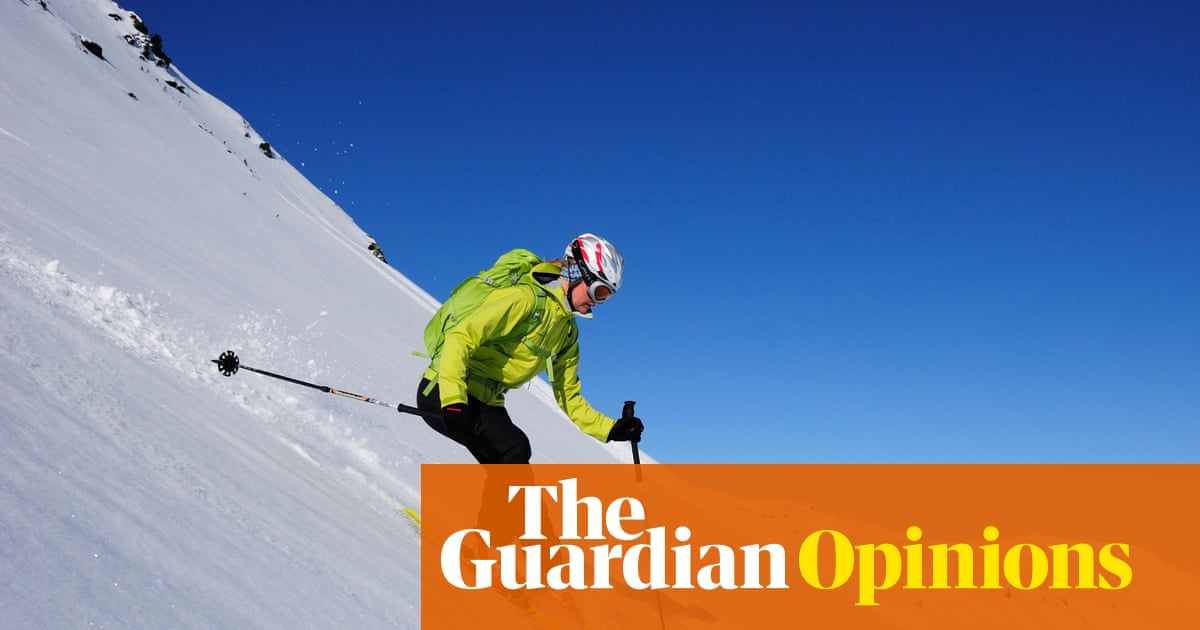
"Many avalanche accidents occur just after a storm, when blue-sky conditions return and people head to the backcountry to enjoy fresh powder. These kinds of accidents happen every year, despite warnings to those heading out into the snow."
"This winter in the Alps has been marked by a very high number of deadly avalanche accidents, prompting headlines about unstoppable walls of snow and a far-reaching search for answers. At the time of writing, the death toll for the season, counted from 1 October, is 146."
"The composition of the snowpack was particularly tricky. The season started early, with snowfall in November. Then came a long period of drought, with very little precipitation, but extremely cold temperatures and many sunny days."
"Usually, when there is new, powdery snow, we recommend being patient and waiting a few days before going into backcountry terrain, so the snow has time to bond with the rest."
Avalanche accidents frequently happen after storms when clear skies entice people into the backcountry. Despite warnings, many ignore the risks, leading to tragic outcomes. This winter in the Alps has seen an alarming rise in avalanche fatalities, with 146 deaths recorded since October. The snowpack's composition has been particularly hazardous, with early snowfall followed by drought and cold temperatures creating weak layers. When significant snowfall returned, the unstable conditions contributed to the high number of accidents, affecting even experienced individuals like mountain guides and ski patrollers.
Read at www.theguardian.com
Unable to calculate read time
Collection
[
|
...
]