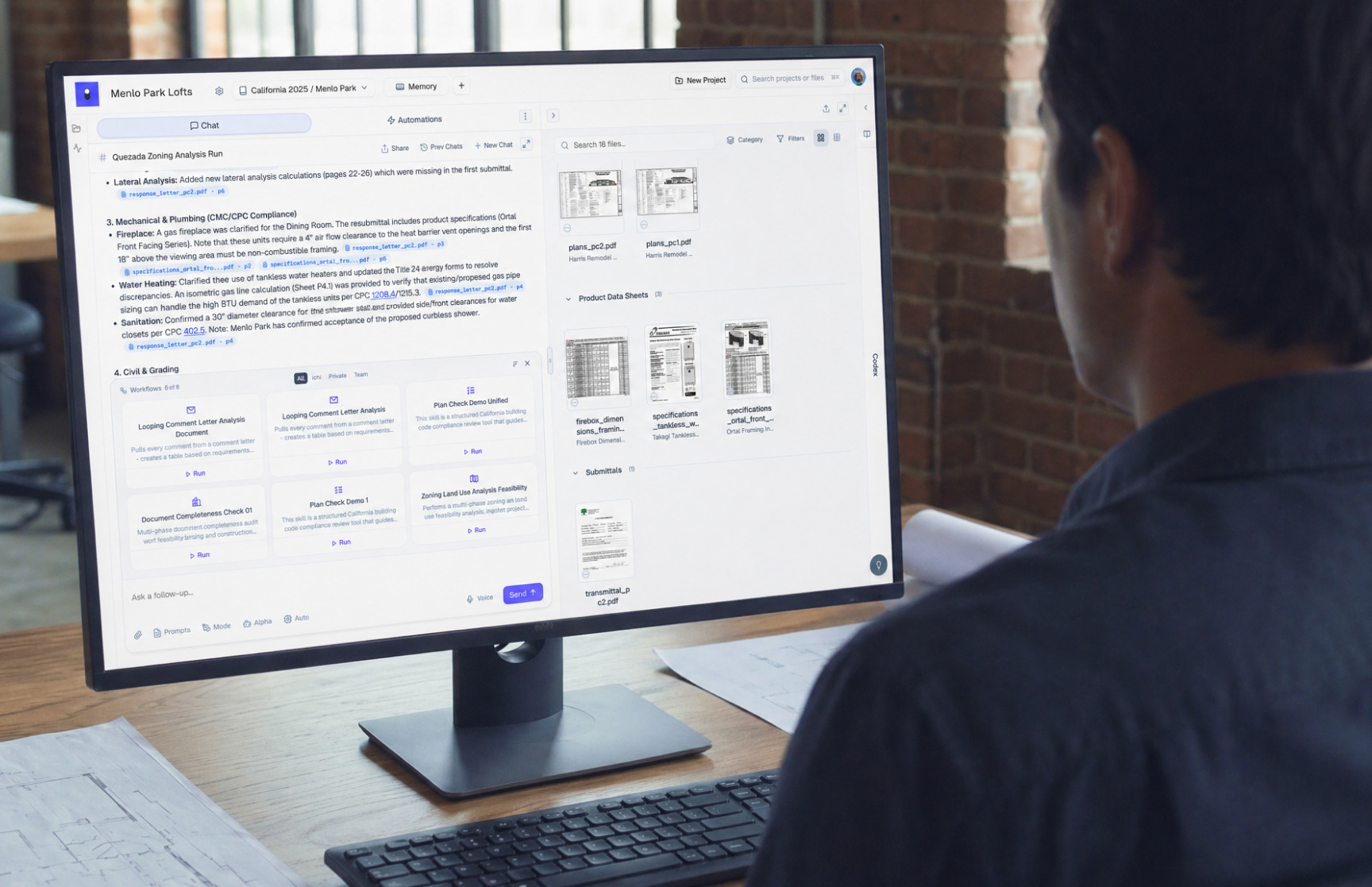
"Today's studios are expected to deliver more work faster and with greater accuracy, while managing tighter budgets, complex regulations, and rising client expectations. In practice, this translates into compressed timelines and a constant demand for precision that leaves little room for error. Often, much of this pressure falls on a small group of individuals who hold critical project knowledge."
"For years, firms have tried to smooth these frictions by adopting new tools and pushing teams to work more efficiently. Yet, these are often cosmetic fixes for a structural problem. The gap between what modern projects require and what traditional, labor-based models can provide is no longer marginal; it's structural."
"The firms currently pulling ahead aren't necessarily those with the most tools, but those rethinking how work is organized, how knowledge is accessed, and where value is actually created. The traditional architecture firm is built around specialization, manual oversight, and fragmented responsibilities. Knowledge of building codes, jurisdictional requirements, and feasibility tends to sit with a few senior architects."
"Professionals with the most experience are often stretched across projects and responsibilities, while more junior staff may recognize that a requirement exists without knowing how to interpret it or where to find it. When that gap cannot be resolved within the team, work slows down or shifts t"
AI is being integrated across professional workflows, forcing architectural firms to rethink how work is organized. Studios face higher productivity expectations: more output, faster delivery, greater accuracy, tighter budgets, complex regulations, and rising client demands. These pressures create compressed timelines and a constant need for precision, leaving little room for error. Much of the burden falls on a small group of individuals who hold critical project knowledge. Firms have tried to address friction with new tools and efficiency initiatives, but these often do not fix the underlying structural mismatch between modern project requirements and traditional labor-based models. Firms that pull ahead focus on knowledge access, value creation, and workflow organization rather than simply adopting more tools. Traditional firm structures rely on specialization, manual oversight, and fragmented responsibilities, with key regulatory knowledge concentrated among senior architects. As workloads expand, senior professionals are stretched across projects while junior staff may know requirements exist but lack interpretation guidance or access to sources. When teams cannot resolve this gap internally, work slows or shifts.
#artificial-intelligence #architectural-workflow #productivity-pressure #knowledge-management #regulatory-compliance
Read at ArchDaily
Unable to calculate read time
Collection
[
|
...
]