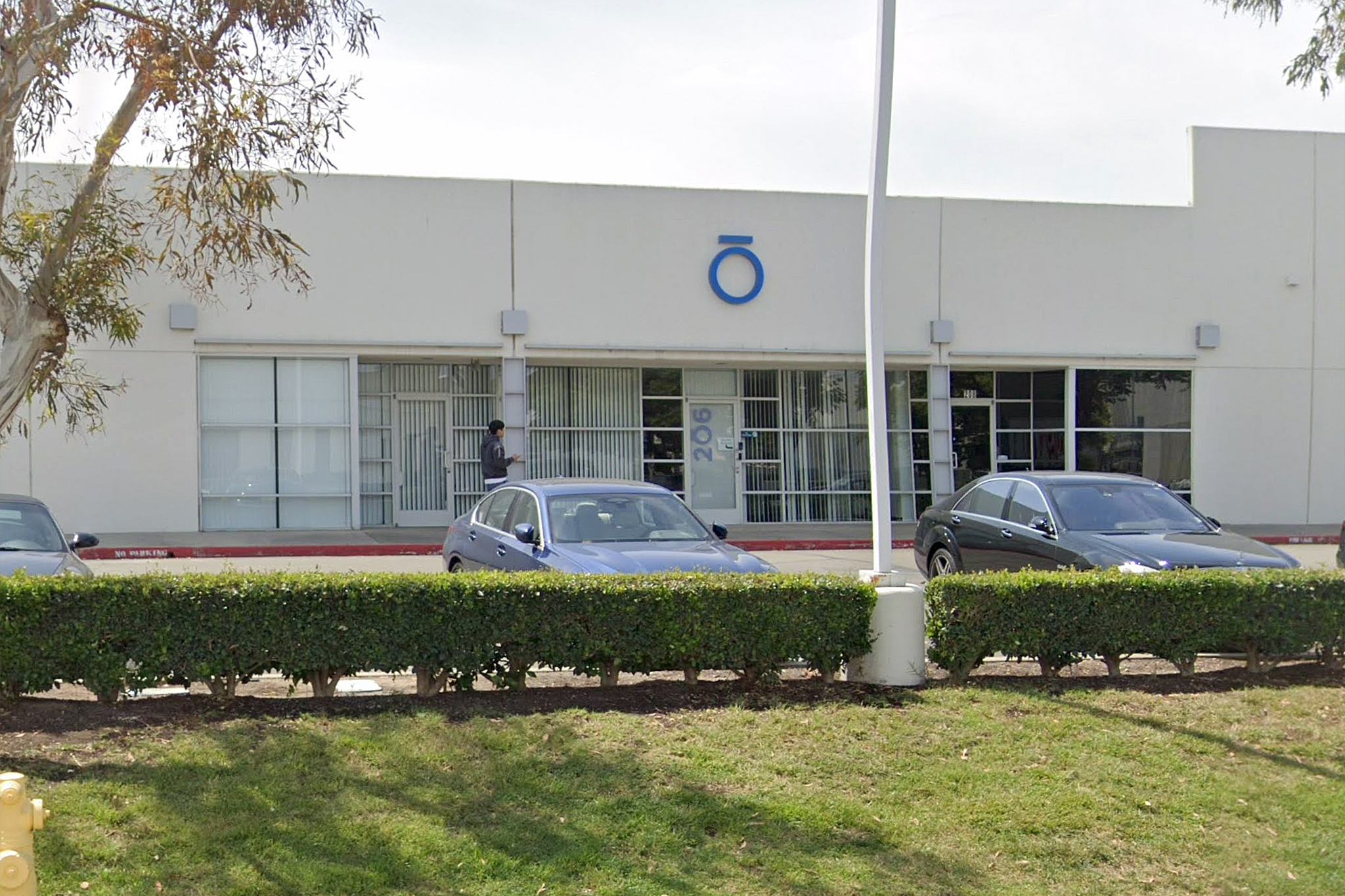
"Stroma, which made headlines in 2011 for a still-not-released device that the company said could safely turn brown eyes blue, filed for Chapter 11 bankruptcy Monday. That's the variety that allows a business to reorganize and pause litigation in hopes of staying alive. The once-buzzy California tech company has raised $70 million since its 2009 founding and is still hoping to run a clinical study in Germany this coming year, according to its chairman."
"But first, Stroma has a legal battle to finish. Along with its assets, the company's bankruptcy filing listed various debts- more than $1 million to a Canadian engineering firm, thousands of dollars to various consultants, $160 to OpenAI - but its biggest woe is undoubtedly a $1.46 million line item, money Stroma hopes not to have to pay one Samuel Blumberg. Before he became a million-dollar thorn in Stroma's side, Blumberg was an asset for the company."
"He started as a consultant in 2012 and was paid in stock options, rather than in wages, for years - years during which he also loaned $130,100 of his own money to the company as an investment. He transitioned to a full-time role in 2016 and took an $18,000 salary, plus more stock options. When he left the job in 2017, he signed a severance agreement that said he'd retain all the options as his payment for years of work,"
Stroma Medical Corporation filed for Chapter 11 bankruptcy to reorganize and pause litigation while attempting to remain operational. The company raised $70 million since 2009 and plans a clinical study in Germany next year. The bankruptcy filing lists multiple debts, including over $1 million to a Canadian engineering firm and $160 to OpenAI, but the largest claim is $1.46 million from former employee Samuel Blumberg. Blumberg began as a consultant in 2012, was paid in stock options and loaned $130,100 to the company, moved to full-time in 2016 with a modest salary, and left in 2017 under a severance agreement about retaining options, later leading to a lawsuit.
Read at SFGATE
Unable to calculate read time
Collection
[
|
...
]