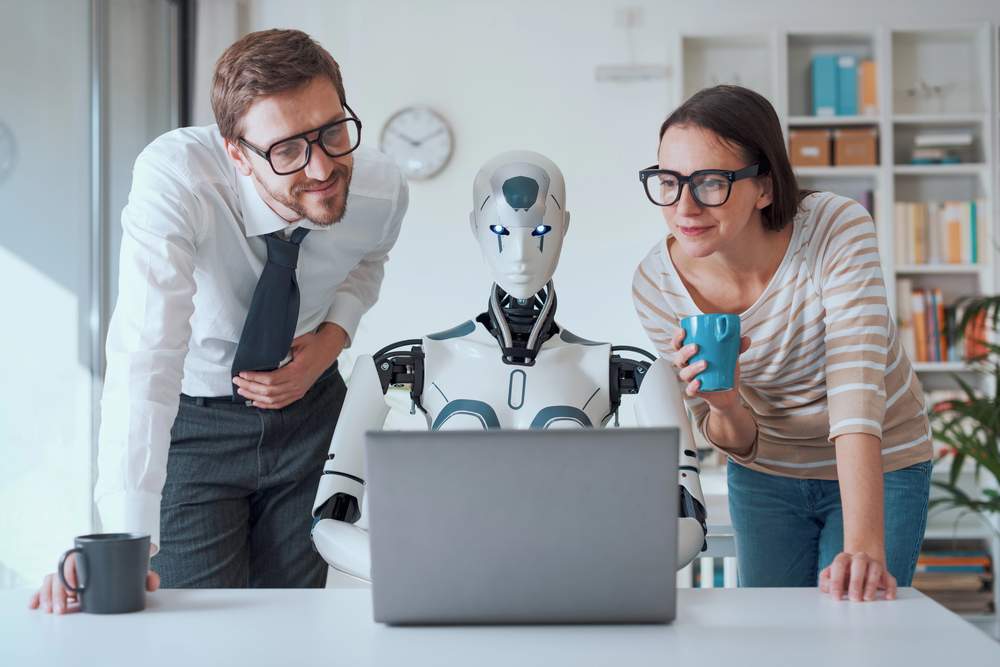
"AI is not a substitute for legal judgment, technical understanding, claim strategy, or client counseling. When implemented properly, AI is a force multiplier. It can compress timelines, improve consistency, reduce low-value friction, provide meaningful portfolio intelligence, and allow practitioners to spend more time on the work that actually requires professional expertise."
"Practitioners who treat AI as a black box-drop in a vague prompt, accept the output, and move on-will get inconsistent and sometimes dangerous results. Practitioners who treat AI as workflow infrastructure-fed with the right context, constrained by attorney judgment, validated against source materials, and integrated into disciplined processes-are already seeing meaningful gains."
"The U.S. Patent and Trademark Office (USPTO) has recognized this reality. In its April 2024 guidance, the Office acknowledged that AI may be used in preparing and prosecuting patent and trademark applications, as well as in Patent Trial and Appeal Board (PTAB) and Trademark Trial and Appeal Board (TTAB) filings, while emphasizing that existing duties of candor, signature obligations, confidentiality, and professional responsibility still apply."
Artificial intelligence has transitioned from theoretical concept to practical reality in patent practice. The critical distinction lies in implementation approach: casual AI use produces inconsistent and potentially dangerous results, while professional integration as workflow infrastructure delivers meaningful gains. AI compresses timelines, improves consistency, reduces friction, and provides portfolio intelligence while freeing practitioners for high-value work. The USPTO's April 2024 guidance permits AI use in patent applications and PTAB/TTAB filings while maintaining existing professional duties and accountability standards. AI functions as a force multiplier when constrained by attorney judgment, validated against source materials, and integrated into disciplined processes. Professional responsibility remains with the practitioner regardless of AI involvement.
#ai-in-patent-practice #professional-responsibility #uspto-guidance #workflow-integration #legal-technology
Read at IPWatchdog.com | Patents & Intellectual Property Law
Unable to calculate read time
Collection
[
|
...
]