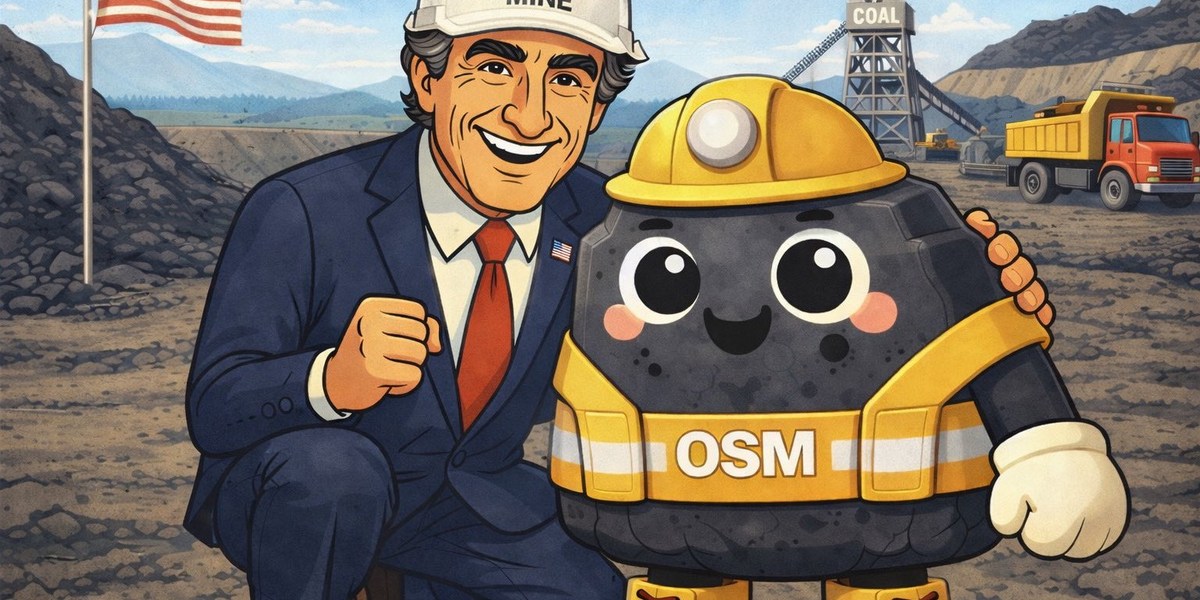
"Coalie's design draws on a type of Japanese anime called Kawaii, a word meaning "cute" or "adorable." It's the latest in the White House's efforts to pass off coal as harmless, despite the well-established environmental and human health harms of mining and burning the fossil fuel."
"While "Coalie" might be new, the logic behind it is not. For centuries, coal's promoters have worked hard to show coal as harmless - as well as "clean" and "beautiful," to use President Donald Trump's words."
"Humans living with the effects of burning coal have disliked it for as long as they have burned it. In 1578, Queen Elizabeth complained that she was "greatly grieved and annoyed with [its] taste and smoke" in the air. In 1661, John Evelyne's treatise Fumifugium outlined negative health effects of breathing coal smoke."
"English settlers were drawn to North America in part because of the continent's abundant supply of timber, a substitute for coal that deforestation had made prohibitively expensive in England. But by the 19th century, the price of timber had risen in America as well. When, in the 1820s, news spread of Pennsylvania's rich veins of anthracite coal, urban consumers were eager for a cheaper source of fuel."
A cartoon coal character with big eyes and babylike features was introduced as a new mascot for a federal surface mining enforcement office, sparking backlash soon after. The design uses kawaii, a Japanese style meaning cute or adorable, to soften coal’s public image. The effort aligns with long-running attempts to portray coal as clean and beautiful despite established harms to health and the environment. Coal has faced criticism since early modern times, including complaints about smoke and taste and early writings describing health effects. As timber became more expensive, anthracite coal gained popularity in the 1800s due to lower cost, setting the stage for promotional narratives about coal’s acceptability.
Read at Fortune
Unable to calculate read time
Collection
[
|
...
]