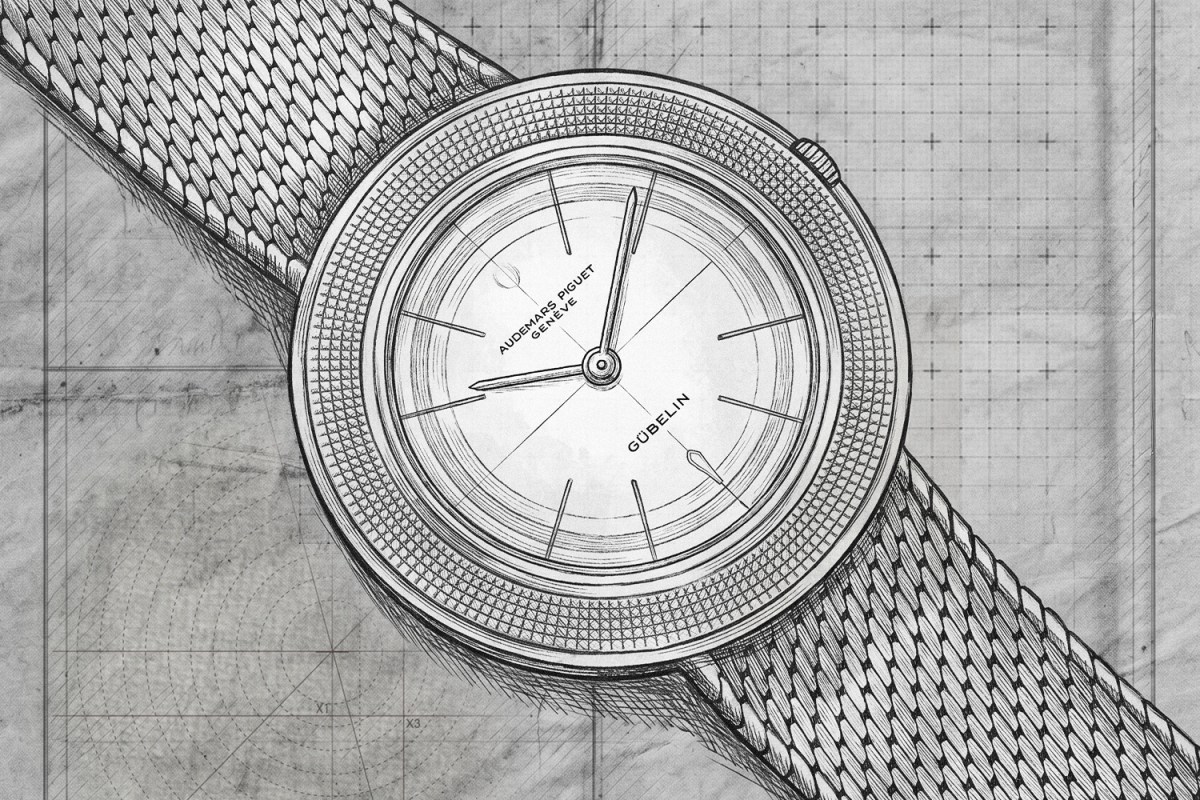
"Few watch designs manage to look both thoroughly midcentury and oddly futuristic at the same time. The "Disco Volante" - Italian for "flying saucer" - is one such curiosity: a watch archetype defined not by its dial or by a complication, but by a perfectly circular case that seems to hover above the wrist."
"Despite its evocative name, "Disco Volante" was never an official model designation. Rather, it's a nickname later applied by collectors to a category of watches produced primarily in the mid-20th century whose cases resemble the smooth, domed silhouette of the flying saucers that captured the public imagination during the early days of the Space Age."
"In truth, the style predates the UFO craze by more than a decade. Variations of the saucer-like case can be traced back to the late 1930s, when Swiss manufacturers began experimenting with new shapes inspired by Art Deco design and the increasing popularity of wristwatches. Early examples from brands such as Omega featured rounded cases with broad bezels and minimal lugs, often paired with elegant two-tone sector dials - an aesthetic that would become closely associated with the archetype."
"As watch designs evolved through the 1940s and '50s, these circular cases became more refined and architectural. Rather than extending visible lugs from a central case body - the traditional wristwatch layout - designers began hiding or drastically shortening the lugs, attaching the strap beneath the case itself. The bezel, meanwhile, is often unusually wide - sometimes stepped, sometimes decorated with hobnail or engine-turned patterns."
Disco Volante is a collector nickname for a category of mid-20th-century watches defined by a perfectly circular, hovering-looking case rather than a specific dial or complication. The name evokes flying saucers, but the style predates the UFO craze by more than a decade. Saucer-like case variations trace back to the late 1930s, when Swiss manufacturers experimented with new shapes influenced by Art Deco and the growing popularity of wristwatches. Early examples from brands such as Omega used rounded cases, broad bezels, minimal lugs, and often two-tone sector dials. Through the 1940s and 1950s, the cases became more refined and architectural, with lugs hidden or shortened and straps attached beneath the case, while wide, sometimes stepped or textured bezels became common.
Read at InsideHook
Unable to calculate read time
Collection
[
|
...
]