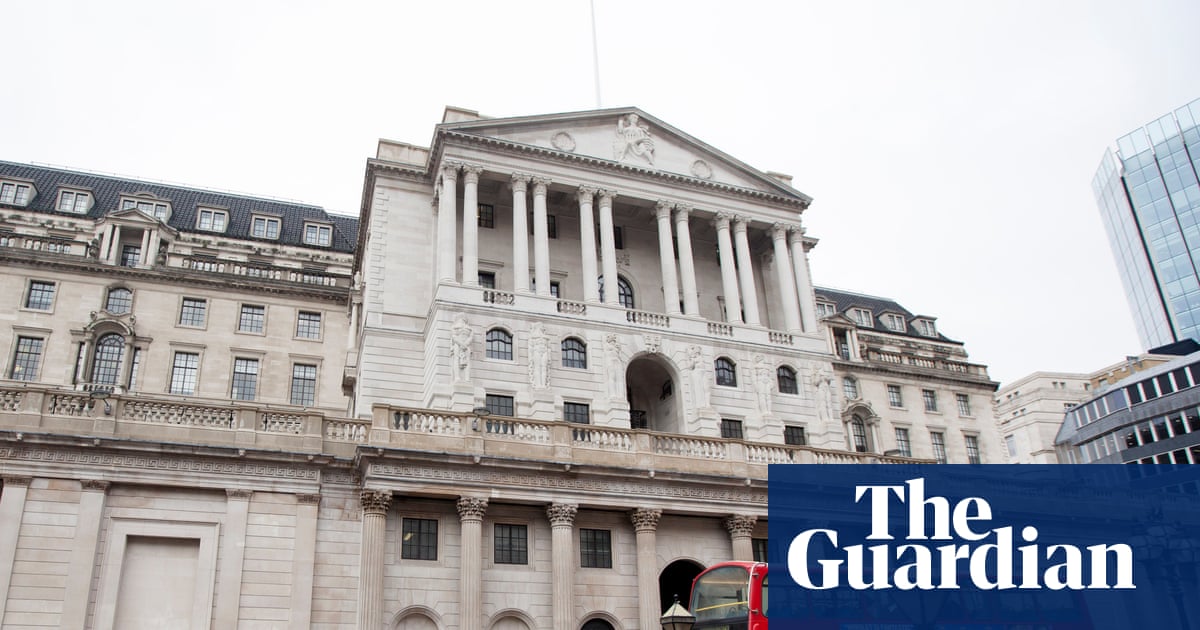
"Before the Iran war began, a rate cut at the Bank's next meeting on 19 March had been an 80% chance, but policymakers are now expected to wait to see how the conflict develops with a 99% probability of a hold at the meeting and no rate cuts for the rest of 2026, markets indicate."
"UK two-year bond yields rose to 4.129%, which was up from 3.52% in the days before the conflict started and the highest since April 2025. The yield, which is a proxy for the interest rate, on two-year government bonds was on course for the biggest one-day increase since Liz Truss's mini-budget in 2022."
"The potential interest rate rise raises the prospect of higher mortgage rates for longer for UK homeowners. UK mortgage lenders began to increase the interest rate on home loans in a further blow to the living standards of hard-pressed households."
Financial markets have dramatically shifted expectations for UK interest rates following escalating geopolitical tensions. The Bank of England is now expected to maintain its base rate at 3.75% for the remainder of 2026, with potential increases to 4% by June 2026. This represents a significant reversal from pre-conflict forecasts that predicted an 80% probability of rate cuts at the March meeting. Bond yields have surged sharply, with two-year yields rising to 4.129% from 3.52%, marking the largest single-day increase since the Liz Truss mini-budget crisis in 2022. These developments have immediate consequences for UK homeowners, as mortgage lenders have begun raising rates, with average two-year fixed rates climbing to 4.87% and five-year fixes reaching 4.98%. European stock markets experienced significant volatility, with the FTSE 100 declining 1.9% before partial recovery.
Read at www.theguardian.com
Unable to calculate read time
Collection
[
|
...
]