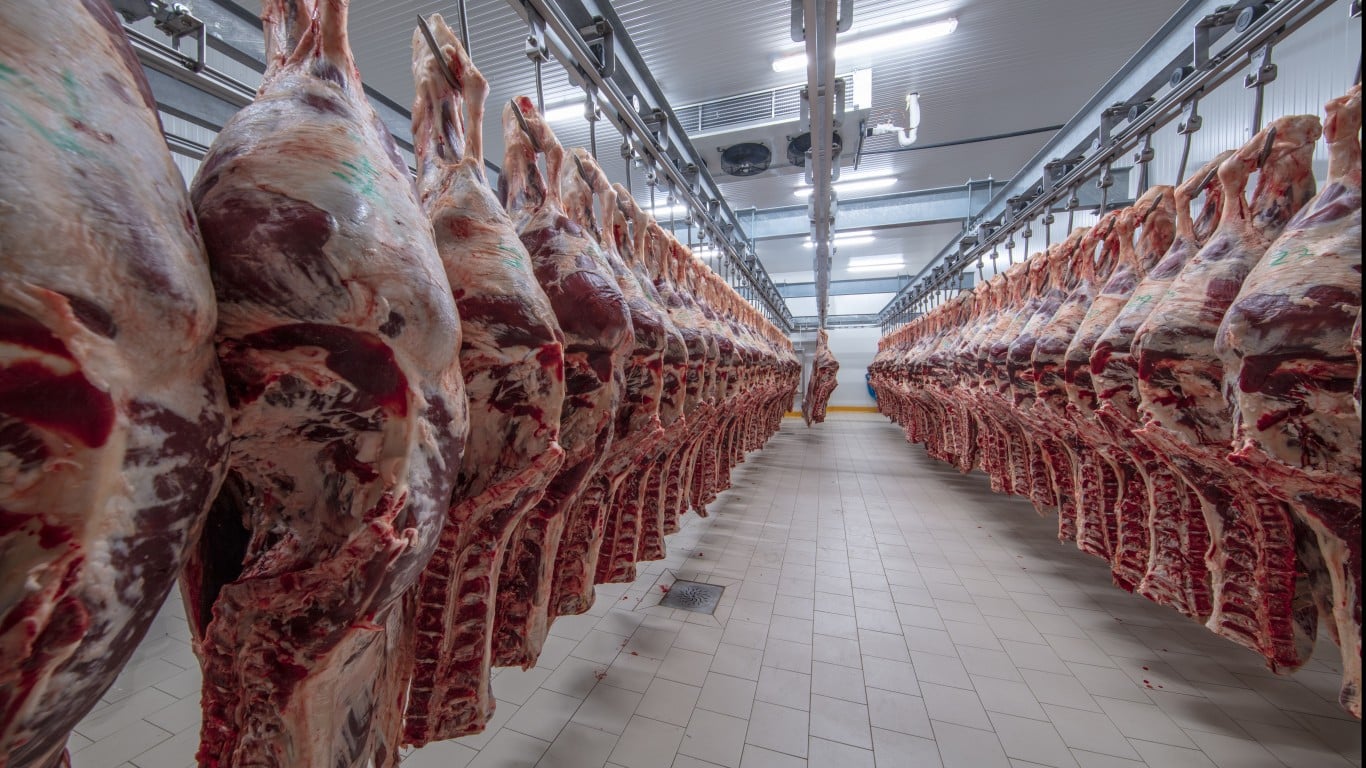
"The S&P 500 is near record highs, unemployment remains low, and recession odds for 2026 have eased compared to the panic investors felt earlier this year. Yet consumers are telling a very different story every time they walk into a grocery store. Beef prices are hitting records. Gasoline prices remain elevated. Insurance, utilities, and housing costs continue climbing."
"According to the Agriculture Dept., U.S. cattle herds fell to 86.2 million head as of Jan. 1 - the lowest level since 1951. That is not a small decline investors can shrug off. It is the result of years of drought conditions, rising feed costs, labor shortages, and ranchers exiting the business because margins became too thin. Essentially, America simply does not have enough cattle."
"Reducing tariffs on imported beef may help cool prices temporarily by increasing supply. In theory, that sounds reasonable. More supply generally lowers prices. But tariffs are only one piece of a much larger inflation puzzle. Energy prices may be the bigger issue. The Iran war has disrupted shipping routes and pushed crude oil prices sharply higher."
"Tankers navigating the Strait of Hormuz face both higher insurance costs and logistical delays. Roughly 20% of the world's oil supply normally moves through that corridor. When transportation costs rise, nearly everything becomes more expensive - especially food. Let's look at how inflation pressure builds: Lowering beef tariffs only addresses one row in that table."
The stock market signals economic stability with near-record equity levels, low unemployment, and reduced recession odds for 2026. Consumer costs remain high, with record beef prices, elevated gasoline, and continued increases in insurance, utilities, and housing. Reports indicate President Trump is considering lowering tariffs on imported beef to ease food inflation. U.S. cattle herds have fallen to 86.2 million head, the lowest since 1951, driven by drought, higher feed costs, labor shortages, and ranchers leaving due to thin margins. Tariff reductions could increase supply and lower prices temporarily, but they address only part of inflation. Energy disruptions from the Iran war have raised crude oil prices through higher shipping costs and delays, affecting transportation and food prices broadly.
Read at 24/7 Wall St.
Unable to calculate read time
Collection
[
|
...
]