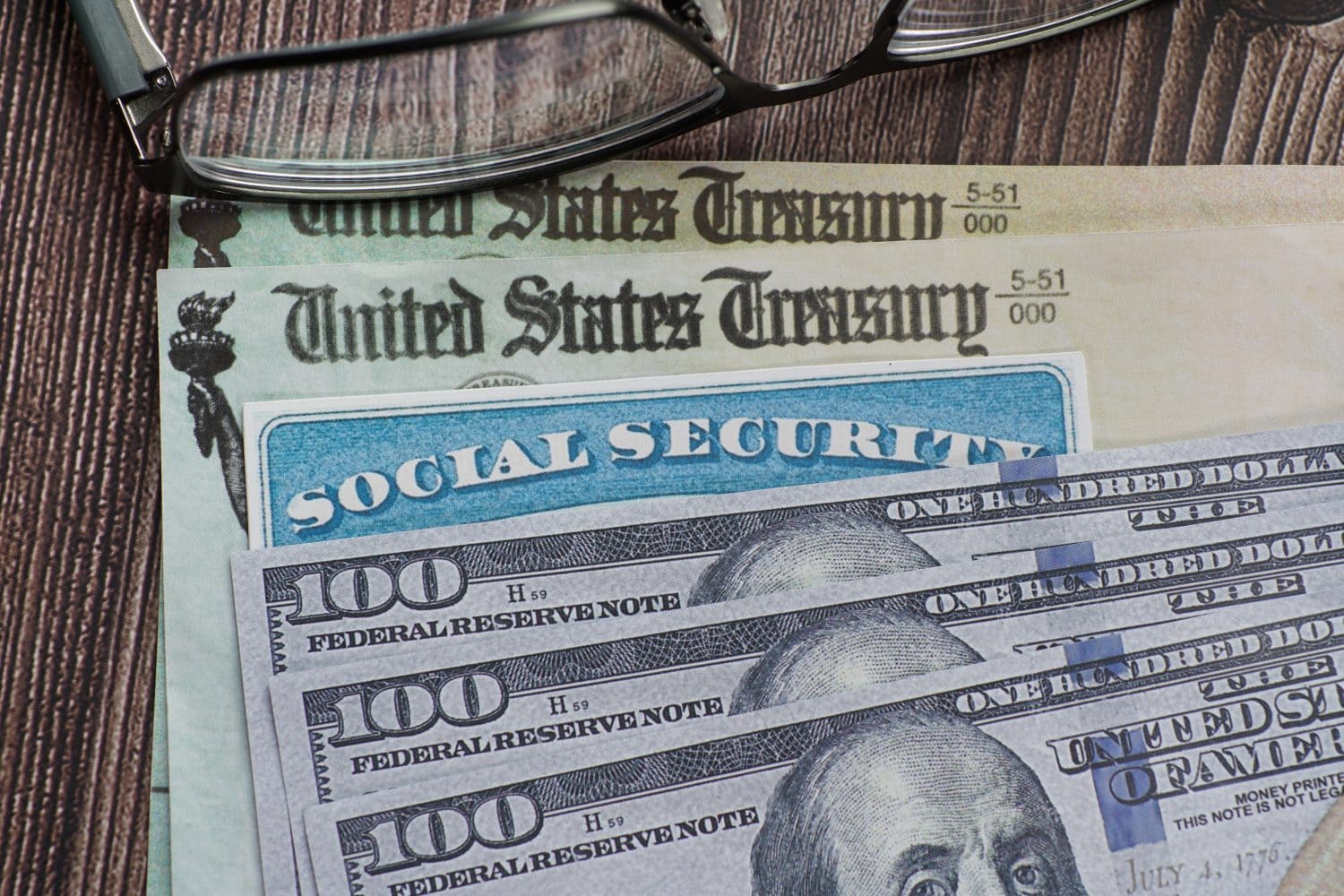
"Social Security COLAs are based on inflation - not interest rates. They're calculated based on third quarter changes in the Consumer Price Index for Urban Wage Earners and Clerical Workers (CPI-W). What the Social Security Administration does is take the average CPI-W reading for July, August, and September and compare it to the same period the year before. If there's a rise in the CPI-W, Social Security benefits get a COLA."
"But the Fed's actions in the coming years could have a big impact on future COLAs, albeit an indirect one. The Fed's interest rate cuts and hikes do not have a direct impact on Social Security COLAs. But they do tend to influence how inflation trends. When the Fed cuts rates, it tends to stimulate the economy, leading to higher prices and higher levels of inflation. And if inflation increases, it could pave the way to higher COLAs."
The Federal Reserve cut its benchmark interest rate in December for the third time this year and signaled a possible additional cut in 2026. The 2026 Social Security cost‑of‑living adjustment (COLA) of 2.8% is already determined and will not change. Social Security COLAs are calculated from the average CPI‑W for July, August, and September compared to the same three months a year earlier. COLAs respond to inflation levels, not interest rates directly. Federal Reserve rate moves can influence inflation over time, and rising inflation can lead to larger future COLAs.
Read at 24/7 Wall St.
Unable to calculate read time
Collection
[
|
...
]