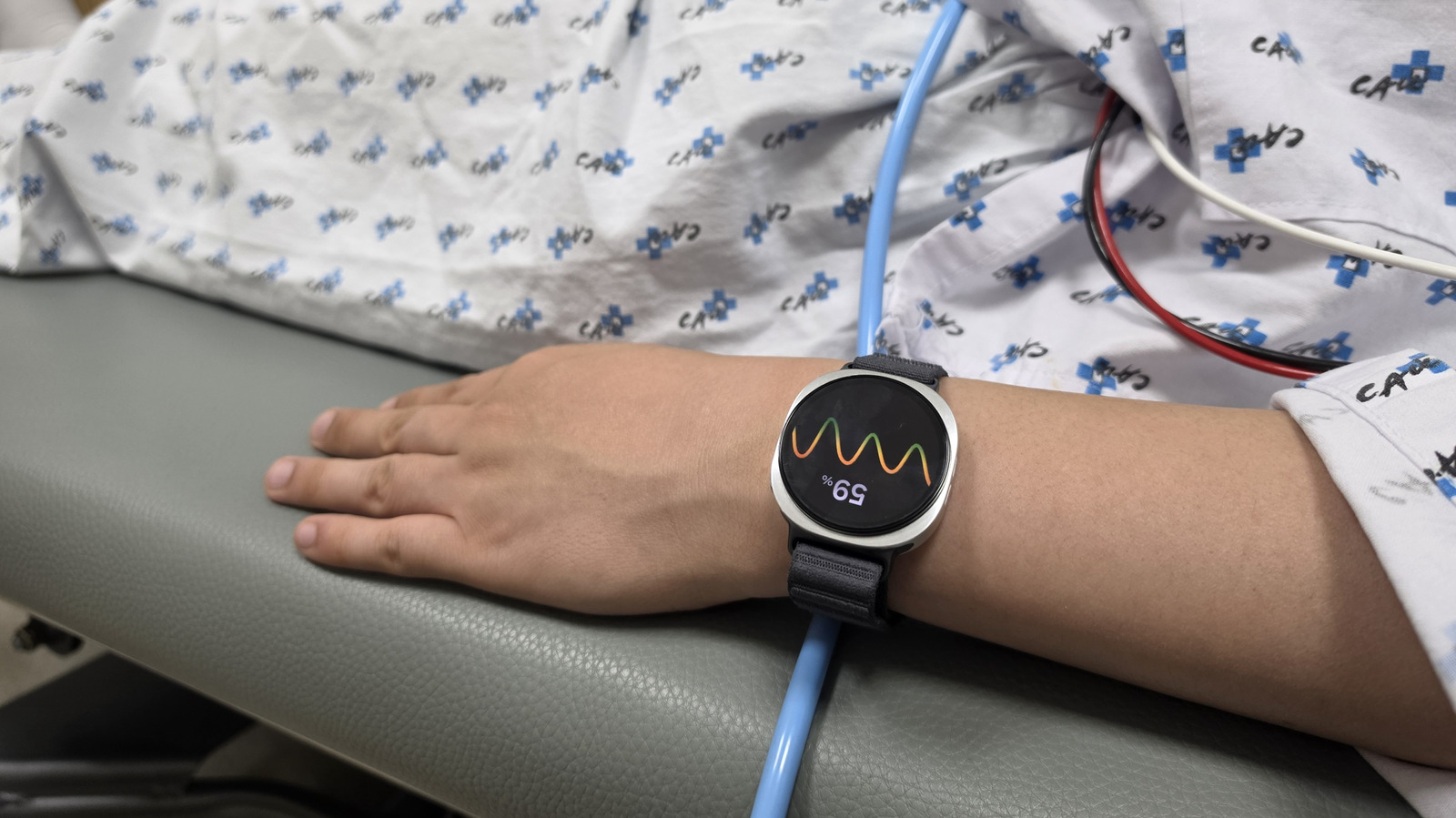
"It successfully predicted impending fainting episodes up to five minutes in advance with 84.6 percent accuracy "at a clinically meaningful sensitivity of 90 percent and a specificity of 64 percent," Samsung wrote."
"Vasovagal syncope fainting happens when someone's heart rate and blood pressure drop abruptly after your "body overreacts to certain triggers... [like] the sight of blood or extreme emotional distress," according The Mayo Clinic."
"This study is an example of how wearable technology can help shift healthcare from being designed for post-care to a model of preventive care."
Samsung has developed a technique to predict vasovagal syncope (VVS), the most common type of fainting, using biosignals from the Galaxy Watch 6. Working with Chung-Ang University Gwangmyeong Hospital, Samsung tested the technology on 132 patients during induced fainting tests. The watch's photoplethysmography sensor measures heart rate and rhythm, with an AI algorithm analyzing heart rate variability data. The system successfully predicted impending fainting episodes up to five minutes in advance with 84.6% accuracy, 90% sensitivity, and 64% specificity. Early warnings could allow users to reach safety or seek help before losing consciousness. VVS affects up to 40% of people and can cause dangerous secondary injuries like concussions from falls.
Read at Engadget
Unable to calculate read time
Collection
[
|
...
]