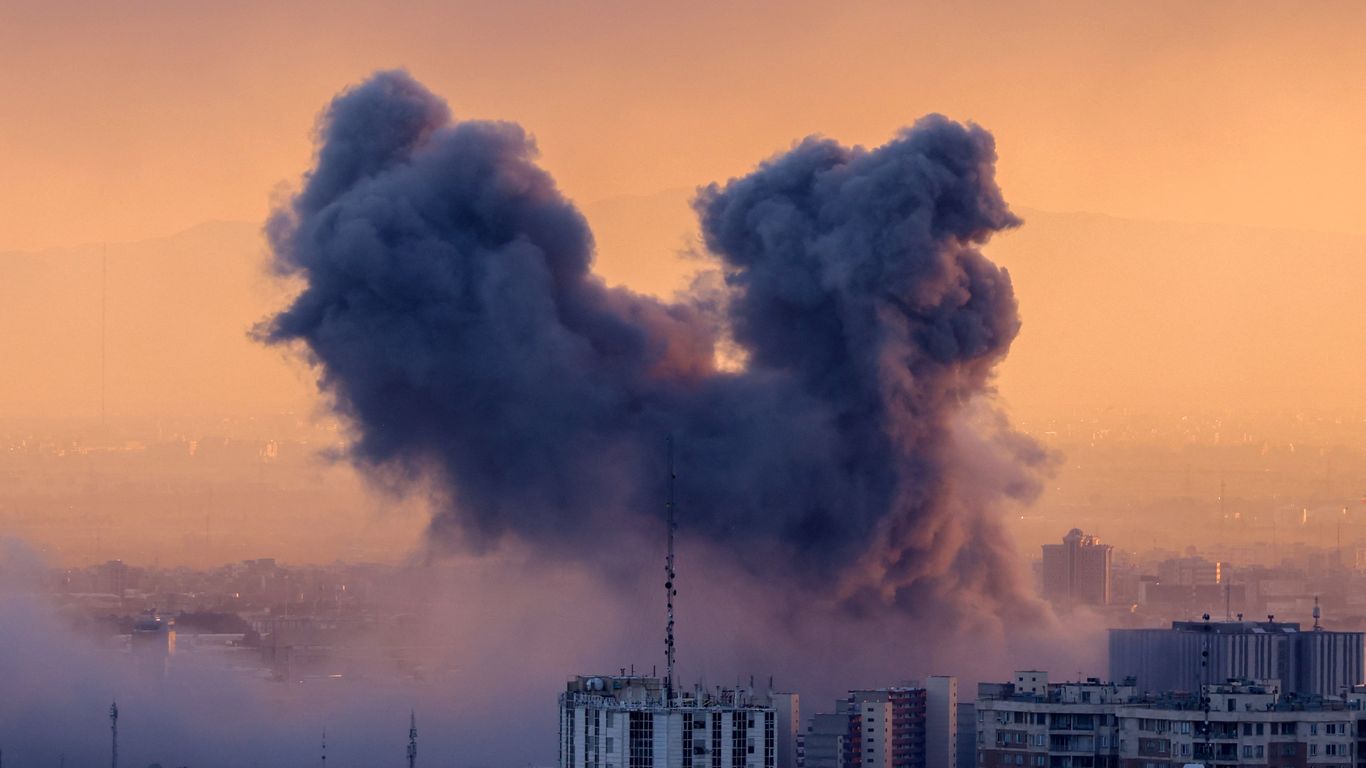
"U.S. drivers are already feeling the effects of crude prices that have now climbed more than 30% since military strikes on Iran began. Average U.S. regular gasoline prices have shot up from roughly $3-per-gallon before the strikes to $3.45 on Sunday, per AAA tracking, and more increases loom."
"High risks are keeping tankers away from the narrow Strait of Hormuz off Iran - a vital transit point for energy shipments. The price also reflects other risks the expanding conflict poses to regional oil production, processing, storage and export infrastructure."
"Oil and LNG prices will continue climbing until credible measures enable resumed shipment through the strait. Energy Secretary Chris Wright said higher prices are a small price to pay to get to a world where energy prices are returned back to where they were, and I'm talking weeks, certainly not months."
Global oil prices have climbed over 30% since military strikes on Iran began, with Brent crude trading at $101.81 and WTI at $101.56. U.S. gasoline prices have risen from approximately $3 per gallon to $3.45, marking the first time oil reached $100 since 2022. The price surge reflects geopolitical risks affecting the Strait of Hormuz, a critical energy transit point, and broader concerns about regional oil infrastructure. The Trump administration is implementing containment measures including political risk insurance, potential naval escorts, and sanctions waivers for Indian refiners to purchase Russian oil. Energy Secretary Chris Wright characterized higher prices as temporary, expecting normalization within weeks. However, analysts indicate prices will remain elevated until credible measures restore shipping through the strait.
Read at Axios
Unable to calculate read time
Collection
[
|
...
]