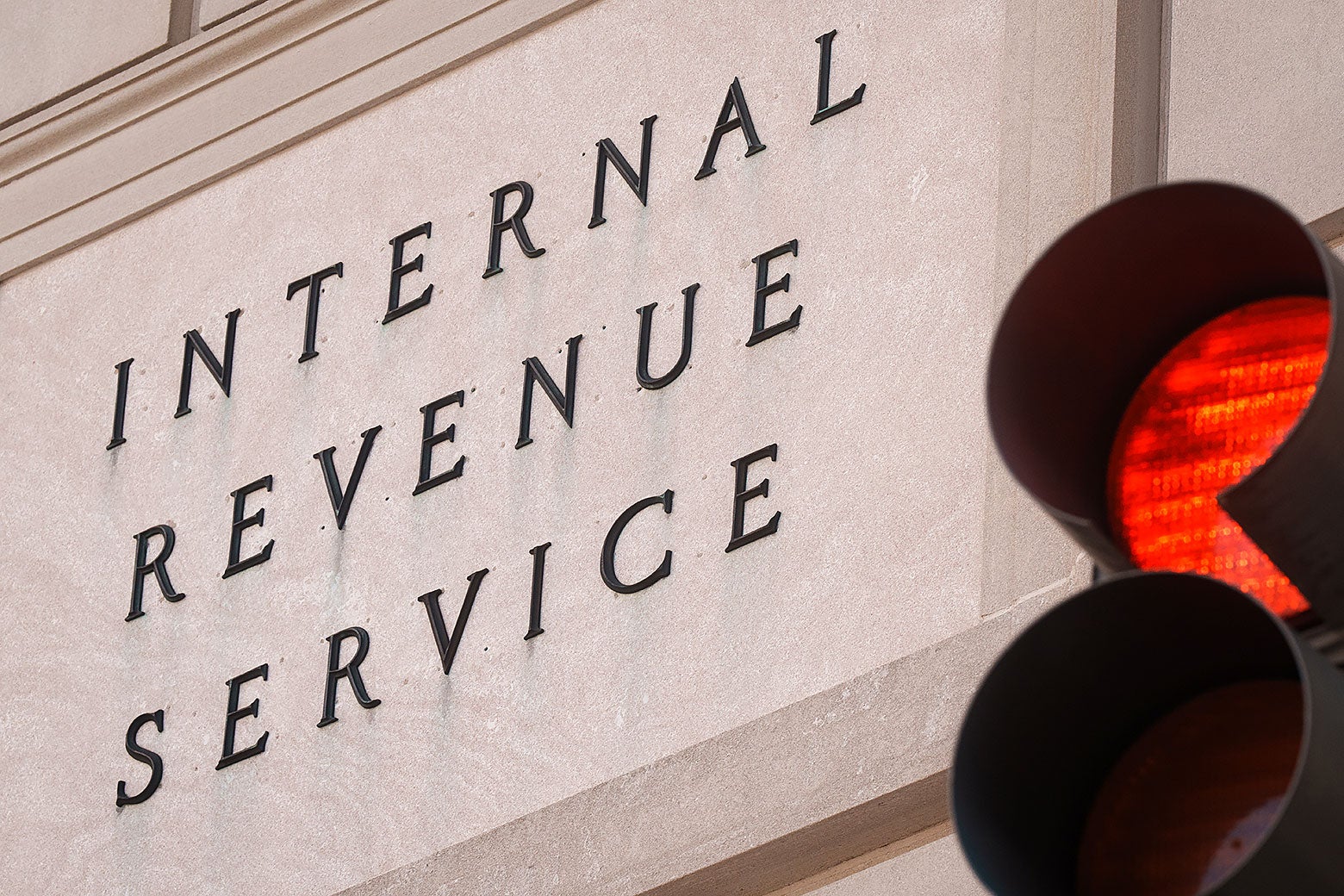
"Anyone should be horrified by these deaths, but this one-which came as so many of us prepared to pay our taxes-brought a special realization: I (and likely you) have paid for the missile that killed those children, in what is potentially a war crime, given the recklessness with which the Pentagon eliminated the staff charged with avoiding such tragedies. As the philosopher Bernard Williams explained, discussing a truck driver who faultlessly kills a child who runs under his wheels, I feel "agent-regret" when I am caught up, willingly or unwillingly, in a tragedy, simply by the sheer fact that it happened through resources I supplied. Our taxes implicate us in these deaths."
"Of course, moral qualms about the use of our tax monies preceded Donald Trump, and will (one hopes) succeed him. After all, aren't taxes the price of civilized society? And isn't it a premise of the tax system that we each pay for services we don't want or don't need, because we expect others to do likewise? That argument works for my paying for schools when I don't have children, or your paying for scientific research you think is silly. But it has trouble with the limits of our consciences, when we pay for things that directly impinge on our various but profound conscientious concerns, like war or birth control or Immigration and Customs Enforcement raids of settled families."
"Both liberals and conservatives agree that some spending falls in this category, even if they disagree on what it is. Are we fooling ourselves to think our taxes matter to our moral responsibility? Using 2025 figures, total government spending was $7 trillion, of which $2.2 trillion was borrowed, or 31 percent. Of the remaining $4.8 trillion in spen"
A bombing of an elementary school in Iran raises the realization that tax money can directly fund lethal military actions. The deaths provoke horror, but also a special moral burden because the resources used were supplied through taxes. Moral qualms about government spending are not new, and the idea that taxes are the price of civilized society assumes people pay for services they do not want while expecting others do the same. That assumption becomes strained when spending directly affects deeply held moral concerns, such as war, birth control, or enforcement raids. The question becomes whether people can truly treat taxes as morally irrelevant when they help enable actions that may be reckless or unlawful.
Read at Slate Magazine
Unable to calculate read time
Collection
[
|
...
]