"Internal units: These are built entirely within the existing home's footprint. More often than not, that's a basement renovation that can take advantage of an existing doorway that may or may not be inside a bulkhead. In a case like this, you would remove the bulkhead cover and create a set of code-compliant stairs and a landing. The landing should have some type of drain and a drywell below to handle rainwater."
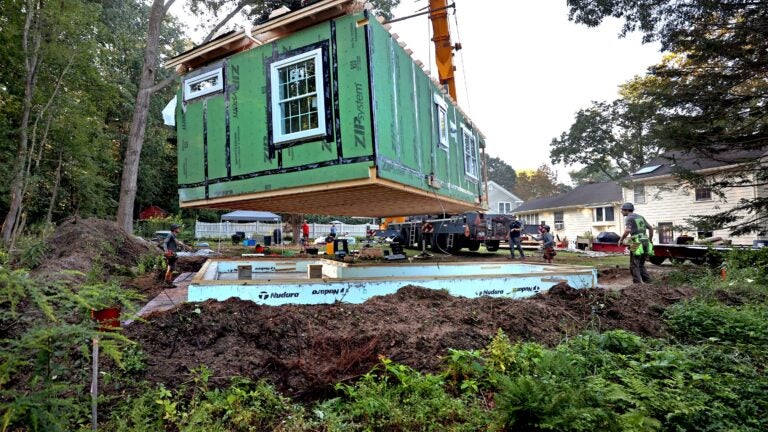
Massachusetts launched a program in 2024 that permits accessory dwelling units on residential properties zoned for single-family use statewide, taking effect in 2025. The initiative is intended to increase housing supply, supported by the MBTA Communities Act that relaxes zoning restrictions near public transit routes. ADUs can provide rental income and can support living arrangements for caregivers or elderly parents on the same property. An ADU must be no larger than half of the existing home’s gross floor area or 900 square feet, whichever is smaller. It must include a kitchen and bathroom, have its own means of entry and egress, and be built to current building codes. Internal units can be created within the existing home footprint, often through basement renovations that add code-compliant stairs and drainage solutions.
#accessory-dwelling-units-adus #massachusetts-housing-policy #zoning-and-mbta-communities-act #residential-construction #basement-renovations
Read at Boston.com
Unable to calculate read time
Collection
[
|
...
]