#ai-data-centers
#ai-data-centers
[ follow ]
#energy-infrastructure #electricity-prices #environmental-impact #energy-policy #electricity-costs #investment


fromnews.bitcoin.com
1 week agoOlenox Announces Merge With CS Digital to Develop Low Cost, Off-Grid Bitcoin Mining Opportunities
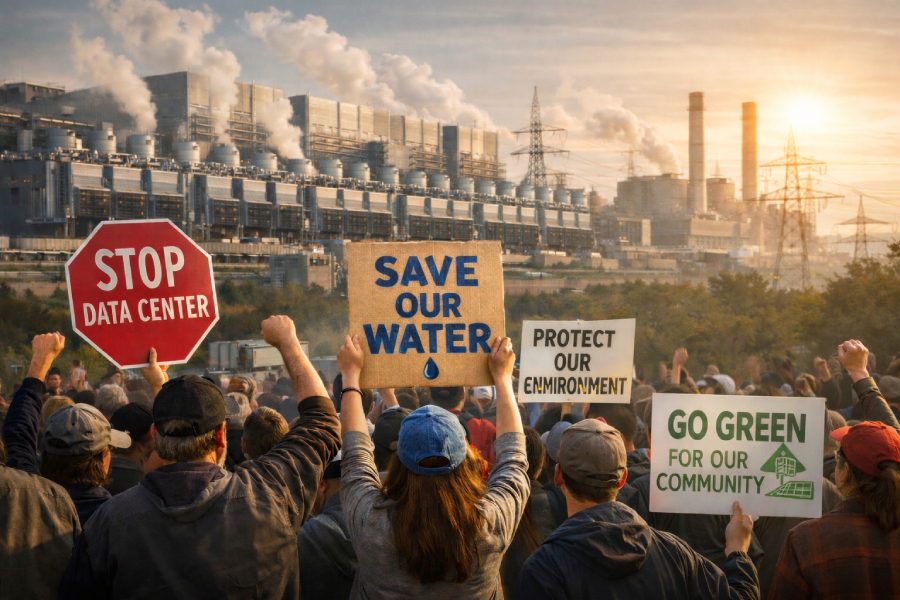
I believe 2026 may mark the beginning of a new phase: the large-scale development of off-grid data centers built closer to the point of energy generation, where, under certain conditions, it may be possible to generate and utilize power at costs approaching $0.02 per kWh.
Venture
fromTechCrunch
2 weeks agoExclusive: This energy startup's bet on 100-year-old grid tech is paying off | TechCrunch
"We were considering multiple forms of capital when we started. It just felt like the opportunity is so large that venture capital gives us the opportunity to take those risks upfront and have the possibility to generate an outsized return."
Venture
fromTechzine Global
1 month agoSony halts memory card shipments due to NAND shortage
A severe shortage of NAND flash, driven by the enormous demand for it to expand AI data centers, makes procurement impossible. Sony is currently unable to fulfill orders for CFexpress Type A, CFexpress Type B, and SDXC/SDHC memory cards.
Tech industry
Toronto startup
fromFortune
1 month agoSome cried. Others were speechless. How front-line workers walked away with checks averaging $240,000 when KKR sold their company | Fortune
CoolIT Systems experienced a significant transformation and sale, resulting in substantial cash payouts for employees who became shareholders under KKR's ownership.
#meta


Artificial intelligence
fromFortune
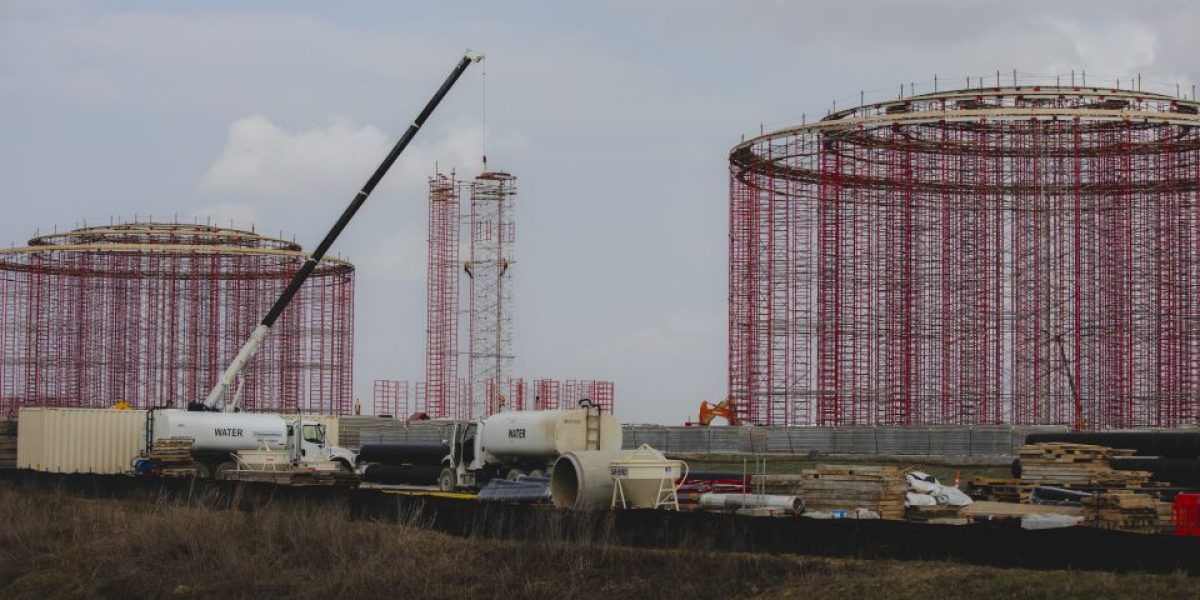
1 month agoI went to rural Louisiana to see Meta's massive $27 billion AI data center. Here's what I found. | Fortune
Meta's Hyperion AI data center in Louisiana symbolizes the vast infrastructure demands of the AI boom, impacting local communities and raising political concerns.
from24/7 Wall St.
1 month agoThe Nuclear ETFs Powering AI Data Centers and Posting Triple-Digit Returns
The U.S. Energy Information Administration projected in March 2026 that American power demand will climb to a new record in 2026 and keep rising through 2027, driven largely by AI data centers. Nuclear is one of the few energy sources positioned to absorb that load reliably, and its share of the generation mix is forecast to tick up.
Venture
Environment
fromTruthout
1 month agoGrowing Presence of AI Data Centers Prompts Debate on Native Lands
AI data center expansion creates environmental and cultural challenges for Native American tribes, sparking debates over tribal digital sovereignty and regulatory needs for data infrastructure control.
#robot-dogs
Artificial intelligence
fromFortune
1 month agoRobot dogs priced at $300,000 a piece are now guarding some of the country's biggest data centers | Fortune
Robot dogs are being deployed by AI companies to patrol massive data centers, providing security surveillance and threat detection for billion-dollar AI infrastructure investments.
fromNonprofit Quarterly | Civic News. Empowering Nonprofits. Advancing Justice.
1 month agoHow the NAACP Is Stopping Dirty Data | Nonprofit Quarterly | Civic News. Empowering Nonprofits. Advancing Justice.
Developers promise "community investments," downtown revitalization, and a new "AI Center." What they don't say is that this development comes tethered to a massive resource-intensive data center that will cost billions, create pollution, and concentrate profits for the corporations and CEOs at the top-not the surrounding communities. This is not innovation, it's exploitation.
Environment
Apple
from24/7 Wall St.
1 month agoMemory Inflation Is Real-and Apple Is the Only One Turning It Into an Opportunity
AI data center demand drives memory and storage inflation, forcing consumers to pay higher prices for electronics while companies like Apple capitalize on budget-conscious market opportunities.
Austin
fromTechCrunch
1 month agoOwner of ICE detention facility sees big opportunity in AI man camps | TechCrunch
AI data center developers are using temporary worker villages called man camps, with companies like Target Hospitality securing $132 million in contracts to build and operate these facilities.


fromThe Verge
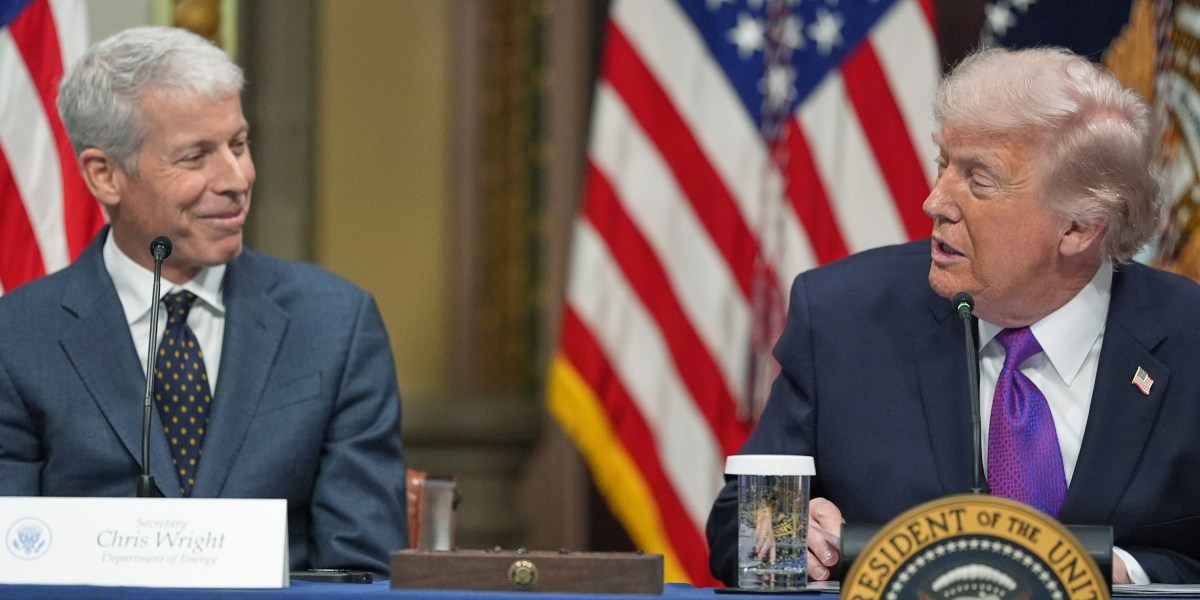
1 month agoSeven tech giants signed Trump's pledge to keep electricity costs from spiking around data centers
Leaders from Google, Meta, Microsoft, Oracle, OpenAI, Amazon, and xAI met with President Donald Trump today to sign a "rate payer protection pledge." It's one way they're responding to growing bipartisan concerns about electricity rates rising as tech companies and the Trump administration rush to build out a new generation of AI data centers.
Artificial intelligence
Tech industry
fromThe Verge
2 months agoNvidia's spending $4 billion on photonics to stay ahead of the curve in AI
Nvidia invests $2 billion each in Lumentum and Coherent to develop photonics technology for AI data centers, improving energy efficiency and data transfer speeds through optical components.
#utility-rate-hikes

Tech industry
fromFortune
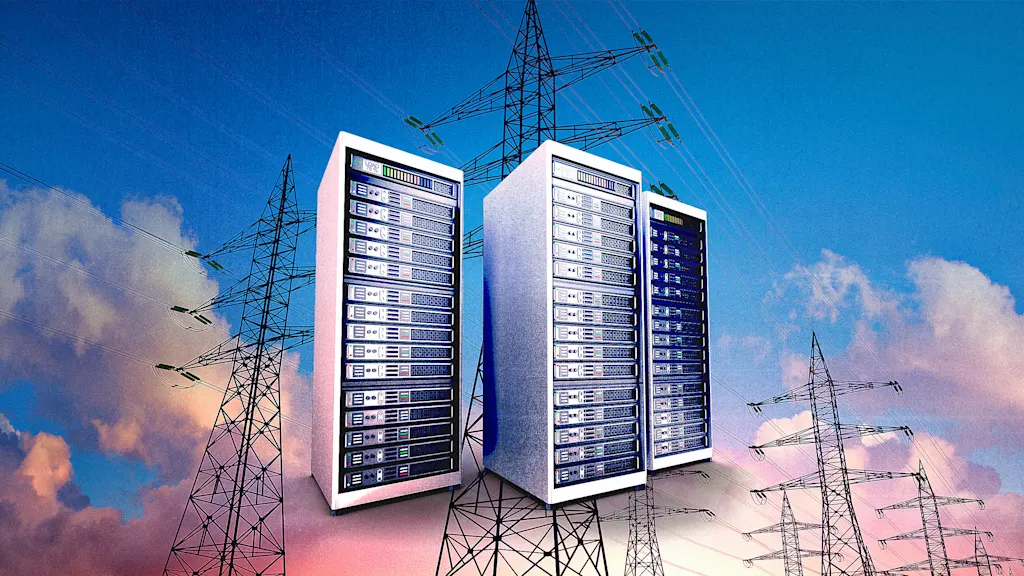
2 months agoYour utility bills keep going up. Here's everyone you can blame-AI data centers included | Fortune
Electric and natural gas bills surged as major inflation drivers in 2025, with utilities requesting record $31 billion in rate hikes amid aging infrastructure, climate impacts, and AI data center demand.

US politics
fromLos Angeles Times
2 months agoTrump's plan for rising energy costs: Pump oil, make data centers pay
President Trump pledged to protect Americans from higher electricity costs caused by AI data centers through a new ratepayer protection pledge requiring tech companies to generate their own power.





fromThe Verge
2 months agoSwitch 2 pricing and next PlayStation release could be impacted by memory shortage
Sony and Nintendo are reportedly feeling squeezed by RAM shortages as demand from AI data centers takes up an increasing share of memory chip production. In response to rising costs and dwindling chip supplies, Sony is considering pushing back the release of its next PlayStation console "to 2028 or even 2029," according to industry sources cited by Bloomberg, while Nintendo may increase the $450 price of its Switch 2 console this year.
Video games

from24/7 Wall St.
2 months agoAI Deals Drives Corning (GLW) Shares Up 50% In 2026: Can the Rally Continue?
Corning Incorporated ( NYSE:GLW) has delivered one of 2026's most impressive rallies, climbing 50.2% year-to-date and 46% over the past month. Corning's 2026 is so good, it's now the 6th top performing stock in the entire S&P 500. The 175-year-old materials science company is riding three converging waves: stellar earnings execution, a massive partnership with Meta, and surging demand for AI data center infrastructure.
Business
fromFortune
2 months agoThe U.S. construction industry's need for labor is soaring and will need half a million new workers next year while AI giants ramp up spending | Fortune
The Associated Builders and Contractors trade group estimated in a report last month the industry will need to bring in 456,000 new workers in 2027, up 30.7% from the 349,000 needed this year. "Failing to do so will worsen labor shortages, especially in certain occupations and regions, placing further upward pressure on labor costs," ABC Chief Economist Anirban Basu warned in a statement.
Artificial intelligence
Artificial intelligence
fromEngadget
3 months agoNVIDIA is still planning to make a 'huge' investment in OpenAI, CEO says
NVIDIA will invest significantly in OpenAI's funding round, but the previously announced potential $100 billion data-center deal remains uncertain and likely won't reach $100 billion.
Tech industry
fromFuturism
3 months agoYou Will Laugh Out Loud When You Hear What the Tech Industry Is Spending a Swimming Pool's Worth of Money to Convince the Public
AI data centers consume massive water and electricity, straining grids, raising bills, provoking local opposition, and prompting costly corporate ad and lobbying campaigns.

Environment
fromFortune
3 months agoRecord-high utility rate hike requests of $31 billion nationwide in 2025 trigger rising electric bill spikes and public outcries | Fortune
Utilities requested a record $31 billion in 2025 rate hikes nationwide, driven partly by rising electricity demand from AI data center construction.
Environment
fromTechCrunch
3 months agoRedwood attracts Google for its $425M Series E as AI power needs rise | TechCrunch
Google and other investors increased Redwood Materials' Series E to $425M to scale energy-storage micro-grids for AI data centers, expanding beyond recycling and cathode production.
fromComputerworld
3 months agoMemory shortage threat helps trigger PC buying spree
Global PC shipments rose by 9.6% in the fourth quarter of 2025, according to IDC's latest Worldwide Quarterly Personal Computing Device Tracker, however, it is unlikely those increases will continue, due in part to a pending memory shortage that will impact both enterprise and consumer markets. IDC stated in a release that it expects that the PC market will be far different in 12 months, given how quickly the memory situation is evolving.
Tech industry
Environment
fromwww.scientificamerican.com
3 months agoU.S. Greenhouse Gas Emissions Are Rising for the First Time in Two YearsThey Could Climb Far Higher
Rapid expansion of AI data centers and colder winter increased U.S. electricity use, driving a projected 2.4% rise in greenhouse-gas emissions in 2025.
Business
fromBusiness Insider
3 months agoMicrosoft explains how it plans to keep energy prices down for Americans from its data center buildout
Microsoft announced a five-point plan to reduce AI data centers' local impacts by covering costs, conserving water, creating jobs, paying taxes, and funding AI training.
fromThe Verge
3 months agoPC shipments just grew unexpectedly amid RAM shortages
While the holiday season typically drives stronger demand, the surge in late 2025 was further amplified by emerging memory shortages that led buyers and brands to secure inventory ahead of anticipated price increases in 2026,
Tech industry
[ Load more ]