#antibiotic-stewardship
#antibiotic-stewardship
[ follow ]
#public-health #antibiotic-resistance #vaccination #cdc #healthcare #misinformation #meningitis-outbreak #shigella
fromFast Company
2 weeks agoAI is coming for superbugs
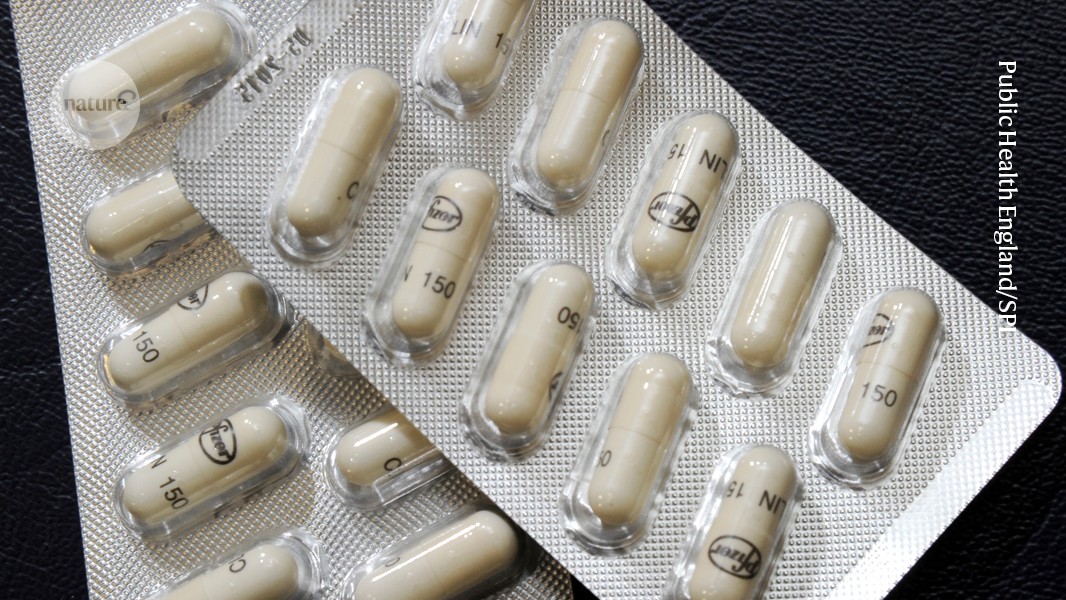
Antibiotics are essential for modern medicine, but bacteria are evolving and developing resistance, turning routine infections into life-threatening conditions. A global analysis estimates that antibiotic-resistant infections could cause over 39 million deaths by 2050.
Medicine
US politics
fromThe Atlantic
1 month agoWho's In Charge of Vaccines Now?
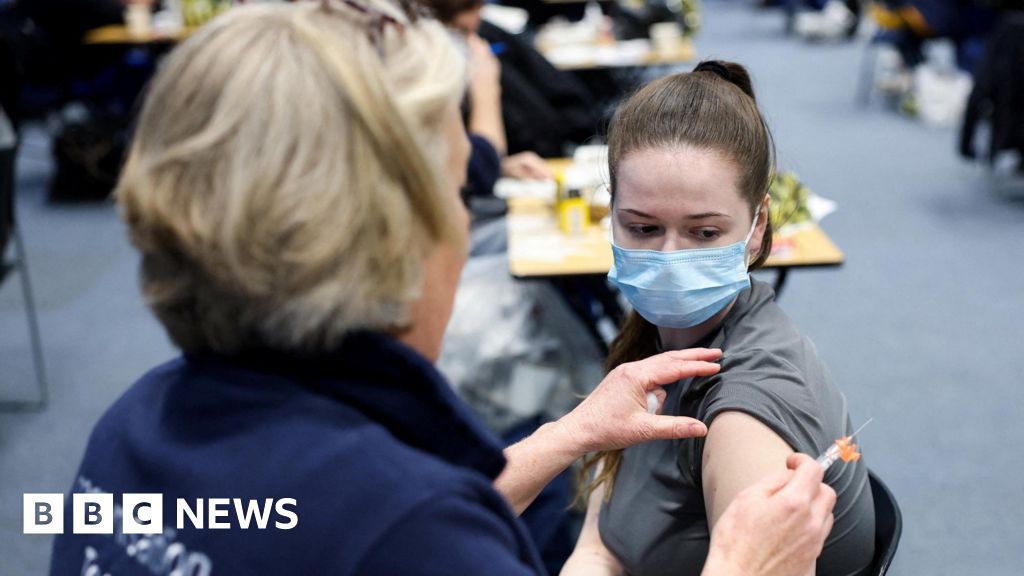
A federal judge ruled the Trump administration likely violated the law by dismissing the CDC's vaccine advisory panel and replacing it with vaccine-skeptical members, then altering childhood immunization schedules without proper input.

fromThe Atlantic
1 month agoI Remember a World Without Vaccines
I am open-minded; I believe in integrative practices, and I agree that the medical establishment can be arrogant and unduly influenced by the pharmaceutical industry, which now funds so much of medical research. But I fully understand Scherer's frustration with his interminable discussions with Kennedy about scientific articles.
Coronavirus
Healthcare
fromFast Company
1 month agoResponsible compounding could close the innovation gap
Compounding can responsibly accelerate patient access to needed therapies when grounded in rigorous data, filling genuine clinical gaps while pursuing FDA approval, particularly in underserved areas like women's health.
fromFast Company
2 months agoHow America's WHO exit could affect flu shots, outbreaks, and future pandemics
The U.S. is no longer part of the World Health Organization. After the Trump administration declared its intention to pull the country out of the global public health agency one year ago, on Thursday it formally followed through, ending its commitment to the organization after 78 years. Withdrawing the U.S. from the WHO was one of Trump's day one priorities. Now, after the required one year notice period, the deed is done.
World news
fromwww.aljazeera.com
2 months agoIs our food making us sick?
From ultra-processed foods to hidden chemicals, we ask whether what's on our plates is making us ill. From ultra-processed foods to chemicals linked to cancer and chronic disease, this episode unpacks what's really inside everyday supermarket products. We examine how mass production and convenience culture reshaped our diets, why some ingredients are banned in parts of the world but legal elsewhere, and what FDA-approved actually means.
Food & drink
Healthcare
fromwww.npr.org
1 month agoCan't get a prescription renewed? Here's how to cope with prior authorizations
Insurance prior authorization requirements expire even for patients already taking prescribed medications, forcing repeated approval processes and potentially interrupting effective treatments.
Public health
fromwww.theguardian.com
1 month agoPatients face long journeys for medicines as pharmacies cut weekend hours
One in six English pharmacies have reduced weekend hours since 2022, causing over 20% loss of weekend opening hours and forcing patients to travel long distances or seek emergency care.
fromwww.scientificamerican.com
2 months agoWhat if most medications were sold over-the-counter?
The U.S. Food and Drug Administration is reportedly mulling whether more prescription drugs should be sold over the counter (OTC) at pharmacies. In an interview on Wednesday, FDA commissioner Martin Makary told CNBC that everything should be over the counter except drugs that are deemed unsafe or addictive or that require clinical monitoring. Makary said the agency is reviewing how it decides which drugs can be sold with or without a prescription from a health care practitioner.
Healthcare
Alternative medicine
fromwww.scientificamerican.com
1 month agoHelp yourself to stronger immunity
The immune system can be enhanced through science-backed interventions including specific supplements, vaccines, and exercise, with omega-3 fatty acids and curcumin showing evidence of effectiveness while vitamin D proves less beneficial than previously claimed.
fromNature
1 month agoPrevent pandemics through One Health commitments
Risks of outbreaks with pandemic potential rise with increasing land-use change, biodiversity loss and climate change. The Pandemic Agreement adopted by the World Health Assembly in 2025 marks a historic shift that establishes the One Health approach as a legally binding obligation for pandemic prevention.
Public health
Medicine
fromSilicon Canals
2 months ago8 medications that become dangerous after their expiration date, according to pharmacists - Silicon Canals
Some expired medications can become harmful or ineffective, and certain drugs—like epinephrine and insulin—should never be used after their expiration dates.
fromwww.scientificamerican.com
1 month agoFirst-of-its-kind vaccine protects children from deadly intestinal infections
In children below the age of five, whose immune systems are still developing, the infections can lead to malnourishment; they cause up to 42,000 deaths annually. Soon there may be a vaccine to protect against these infections. In the Lancet Infectious Diseases last month, scientists shared the results of the first study to evaluate the safety and efficacy of an ETEC-controlling vaccine in a large pediatric population in Gambia.
Public health
Public health
fromMedium
2 months agoThe preventive healthcare product cycle: how ancient practices become "innovations" every 20 years
Ancient preventive practices resurface as billion-dollar health trends when crisis, enabling technology, legitimation, and storytelling translate them into measurable, automated, culturally acceptable products.
fromwww.npr.org
1 month agoWhy it's a bit surprising that the U.S. is attending a key global flu meeting
Each day, they pore over reams of data about how the virus is evolving worldwide, how well last year's shot performed, and which strains might be easiest to mass produce for a vaccine. The meeting, convened by the World Health Organization twice a year, is a critical moment for the WHO's Global Influenza Surveillance and Response System.
Public health
fromInsideHook
2 months agoWhat Happens When the CDC Issues Fewer Alerts?
If you're based in the United States, you've probably gotten used to government bodies issuing nationwide alerts - including ones that relate to public health. These have, historically, been good ways for health-conscious people to know what to look out for and for regional public health experts to develop strategies to help keep potential outbreaks contained.Unfortunately, now both individuals and institutions are reckoning with a big question: what to do when those warnings are much smaller in number?
Public health
Public health
fromTruthout
1 month agoPublic Health Agencies Struggle to Keep Up With Rising Tuberculosis Cases
Tuberculosis cases and containment costs are rising nationwide, with Johnson County, Iowa experiencing a tripling of latent infections and costs surging from $17,000 to $65,000 annually, while state funding for contact tracing has been withdrawn.
fromBuzzFeed
2 months agoDoctors, Nurses, And EMTs Are Sharing Body Facts They Wish Everyone Knew Sooner
You get sick from staying inside, breathing the same germ-filled air. Open your windows, even for five minutes, to circulate the old air out and let in fresh air. Also, if you're taking your child to the doctor, don't wait to treat their fever because you want 'the provider to see the fever.' Your child might wait two hours to be seen, meanwhile their temperature goes up, and they might have a seizure. If you say they've been having fevers, we believe you.
Public health
Public health
fromLos Angeles Times
2 months agoPediatricians urge Americans to stick with previous vaccine schedule, despite CDC's recent changes
The AAP and CDC now present different childhood vaccine schedules after federal changes reduced CDC recommendations from 17 to 11 diseases while AAP endorses 18.
fromwww.bbc.com
2 months agoSepsis mistakes killed our daughter - we fear it could happen again
When she was 16, Bethan James told her YouTube channel that by 2026 she hoped to have a partner, an enjoyable job and maybe even children. Bethan would have been 27 now - but her dreams were taken when she died aged 21 from a combination of sepsis, pneumonia and Crohn's disease. Bethan's sepsis wasn't spotted early enough and life-saving care was delayed.
Public health
[ Load more ]