#arctic-cold-snap
#arctic-cold-snap
[ follow ]
#climate-change #extreme-weather #extreme-cold #arctic-air #bomb-cyclone #power-outages #greenland #hypothermia
#climate-change
fromwww.scientificamerican.com
1 month agoEnvironment
No U.S. states had a record cold winter. Nine had a record hot one
Despite eastern U.S. cold perceptions, the 2025-2026 winter was the second-warmest on record nationally, with nine western states experiencing record heat and zero U.S. locations recording record cold.
fromFast Company
2 months agoEnvironment
Why is it so cold if there's global warming? Extreme winter weather can deepen misconceptions about climate
Climate change increases global temperatures while also amplifying extreme cold events like Arctic blasts, causing record cold in some regions despite overall warming.
Environment
fromwww.scientificamerican.com
1 month agoNo U.S. states had a record cold winter. Nine had a record hot one
Despite eastern U.S. cold perceptions, the 2025-2026 winter was the second-warmest on record nationally, with nine western states experiencing record heat and zero U.S. locations recording record cold.

fromwww.cbc.ca
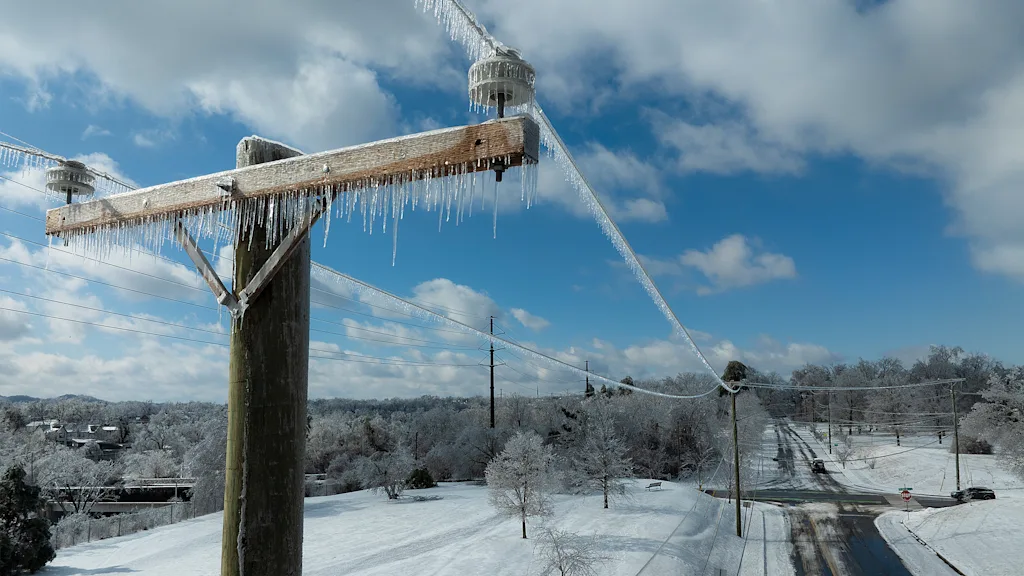
3 weeks agoIt may not feel like it, but warmer temperatures are right around the corner: meteorologist | CBC News
Kennedy predicts hot and dry conditions from the west will shift eastward later this week, allowing for a noticeable warm-up and shift towards spring-like conditions.
Canada news

#extreme-weather

Environment
fromFast Company
1 month agoWeather whiplash to sweep U.S. with simultaneous blizzard, polar vortex, and heat dome
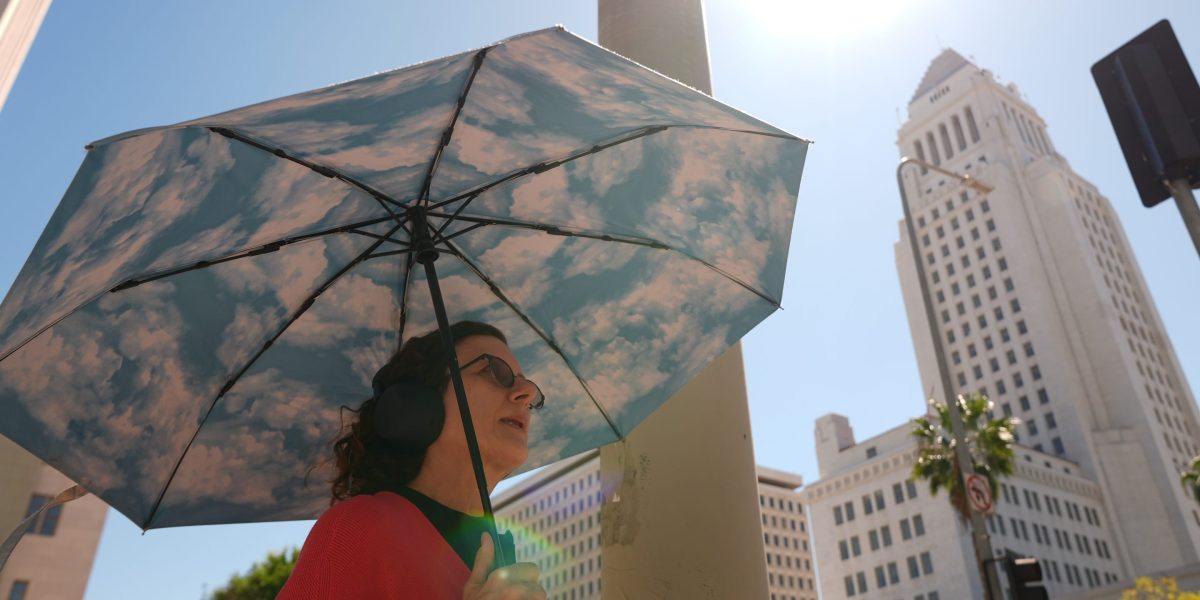
Extreme weather is affecting nearly all U.S. regions simultaneously, including record heat in the Southwest, snow in the Great Lakes, Arctic cold in the Midwest and East, and heavy rain in Hawaii.
Science
fromYahoo News
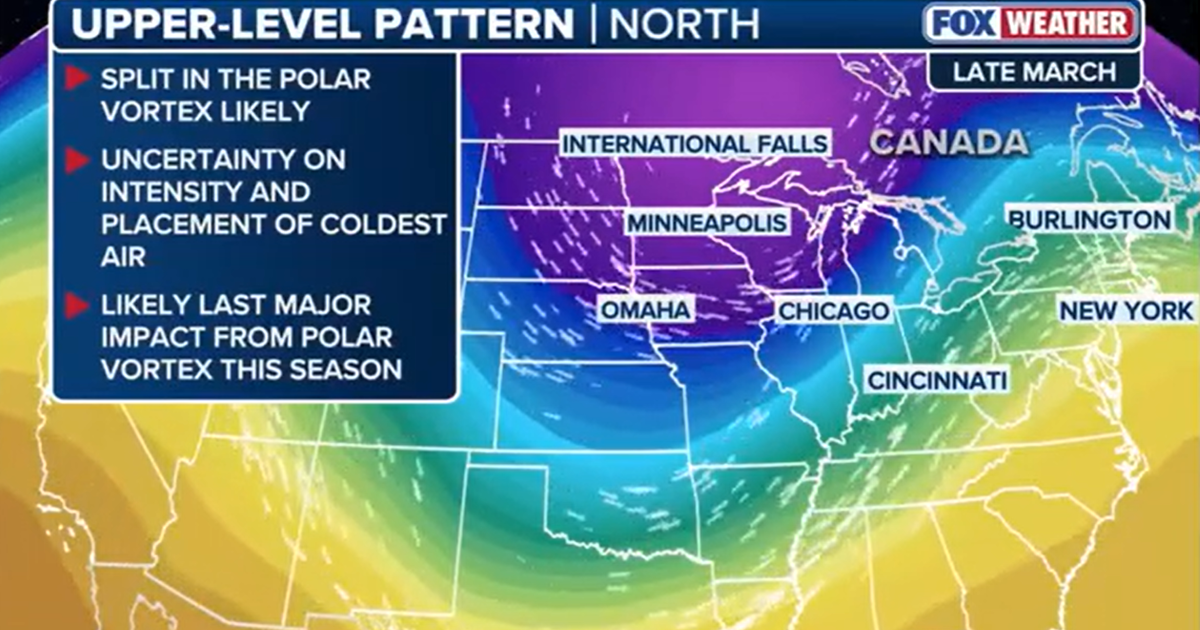
1 month agoPolar vortex split could bring brutal cold to Northeast. Will it impact NY?
A polar vortex split in the stratosphere will redirect Arctic air southward, bringing single-digit temperatures to the Great Lakes and Northeast later this month, with potential impacts extending to Tennessee and the Carolinas.
fromThe Atlantic
2 months agoThe Blind Spot at the Top of the World
He had flown in from Mar-a-Lago and, he told me, was there to observe. The next day, he watched as Åsa Rennermalm, a Rutgers University professor who studies polar regions, sat onstage with European foreign ministers and spoke out against cuts to U.S. science funding. "A leading US Arctic scientist is on stage absolutely ripping her country to the delight of the audience," Dans wrote on X. "Embarassing." He punctuated his post with an American-flag emoji.
US politics
fromwww.npr.org
2 months agoFAQ: What is wind chill, and why is it dangerous?
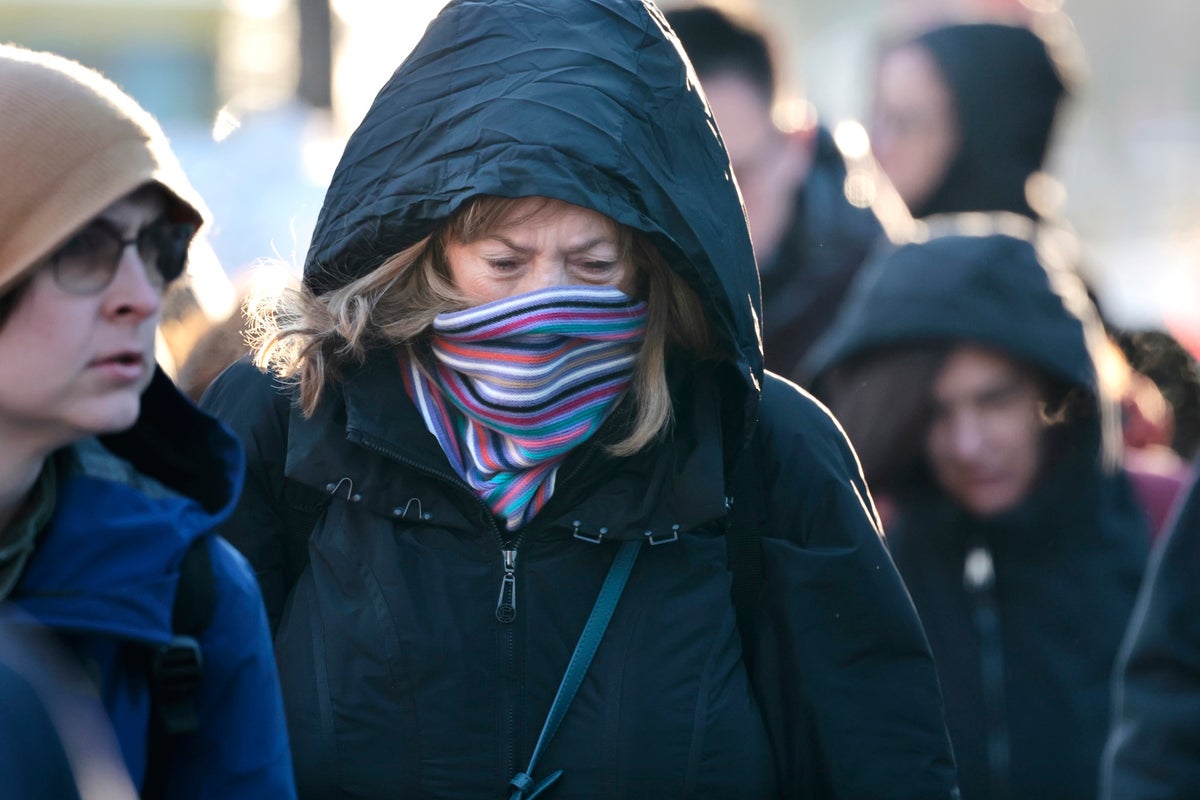
Wind chill is a measure of how quickly bodies lose heat when you combine low temperatures with high winds. And wind chill conditions can be dangerous. "The stronger the winds [and] the colder it is, the more likely you are to develop frostbite in a short amount of time or hypothermia," says Jessica Lee of the National Weather Service's Weather Prediction Center.
Public health

World news
fromwww.theguardian.com
2 months agoWeather tracker: tropical cyclones hit Australia and Madagascar and -40C cold snap in northern Europe
Concurrent tropical cyclones caused severe coastal damage and flooding in Western Australia and Madagascar while Europe experienced contrasting wet and cold weather extremes.
US news
fromBusiness Insider
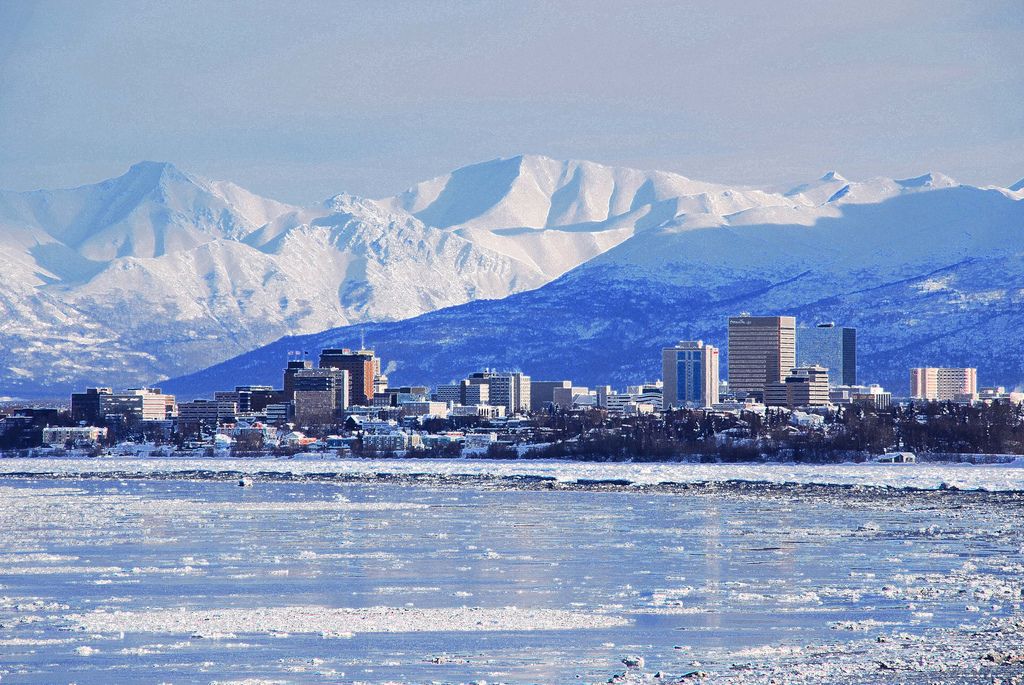
2 months agoI was born and raised in Alaska. People are often surprised to learn about what my life there was really like.
Alaska features both extensive urban life and wilderness, with frequent flying and common small-plane ownership, and persistent misconceptions about daily life.
fromsilive
2 months agoN.Y. weather: Blizzard warning issued for NYC; here's latest on rising snow projections, whiteout conditions
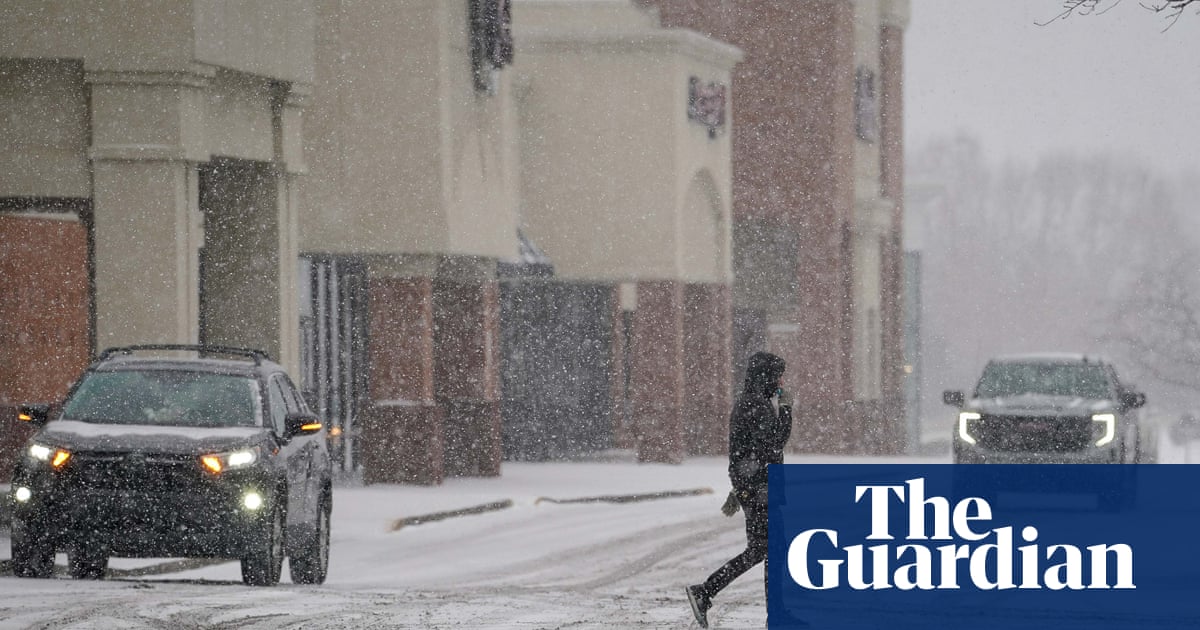
Residents should prepare for the worst of the storm late Sunday night, when snowfall rates could exceed 2 inches per hour. The weather service believes the heaviest snow will come down from 7 p.m. Sunday through about 12 p.m. Monday. The snow is expected to develop Sunday morning and afternoon, possibly mixing with rain at the onset before tapering off late Monday morning into Monday afternoon.
New York City
fromUnofficial Networks
2 months agoThe Next Week Is Looking Sad For North American Snowfall
Many of us are riding the high of the recent major snowstorm wondering when the next big powder day will swing through. Unfortunately for most of North America, it looks like the snowy weather won't be returning anytime soon, or at least not for the next week. Meteorologist Chris Tomer 's Mountain Weather Update paints a rather sad picture for snowfall totals in North America between January 29th and February 5th.
Snowboarding


[ Load more ]