#isis-support
#isis-support
[ follow ]
#iran #terrorism #islamic-state #cybersecurity #lebanon #strait-of-hormuz #isis #israel #ceasefire #national-security


#israel


France politics
fromwww.theguardian.com
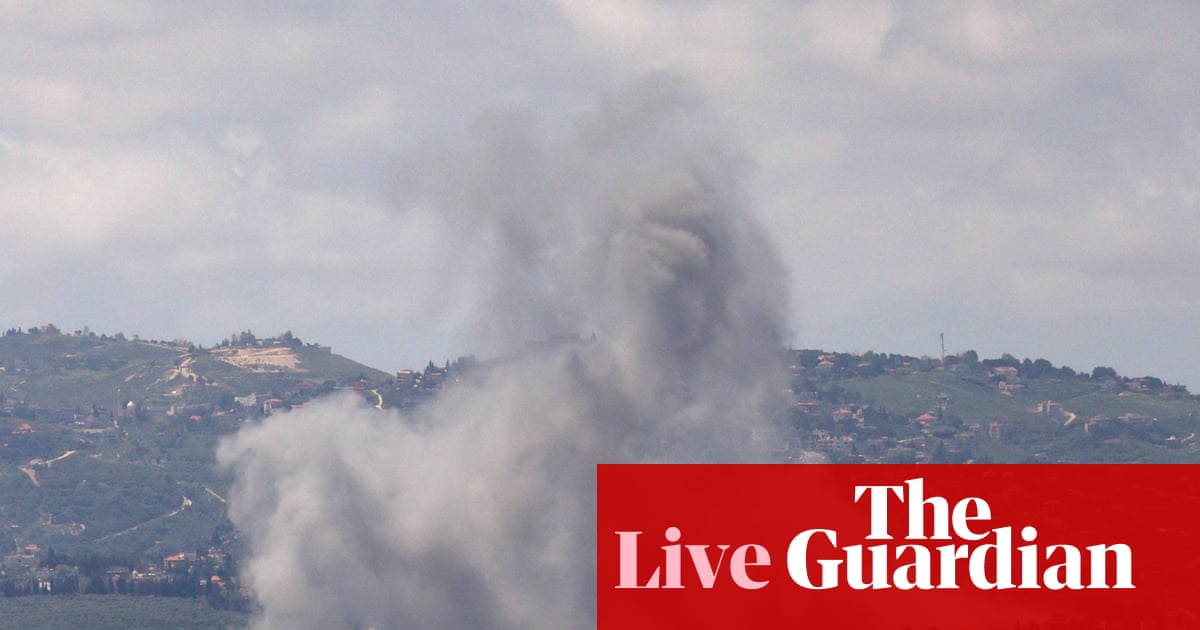
23 hours agoMiddle East crisis live: IDF orders evacuations in southern Lebanon as it accuses Hezbollah of ceasefire violations
Israeli military ordered evacuations in southern Lebanon due to Hezbollah's ceasefire violations, amid ongoing airstrikes and military actions.

fromwww.aljazeera.com
13 hours agoAfter 60 days of war in Iran, does US Congress want a say?
The US Constitution limits a president's war-making powers. A subsequent law passed in 1973, dubbed the War Powers Act, further codified that presidents must cease military action after 60 days, or receive congressional authorization to legally continue.
World politics



fromwww.npr.org
2 weeks agoIn Syria, instability allowed ISIS fighters to flee camps, but many of their families still detained
"I'm struggling a lot. I'm really scared for my situation, for my son's situation as well. I'm just very desperate to get out of here." Hoda Muthana, one of three American women in the camp, highlights the dire conditions and her fears.
US news



fromwww.aljazeera.com
5 days agoHow Iran war has triggered soaring cost of medicines
Pharmacists have noted a spike in the price of medicines and contraceptives like condoms, as a result of the war. In the United Kingdom, pharmacies are charging 20 to 30 percent more for over-the-counter medicines, and the common painkiller paracetamol has more than quadrupled in price.
World politics
fromwww.dw.com
2 months agoChaos in Syria: Where are German 'Islamic State' members?
Due to clashes between Syrian interim government forces and the Syrian Kurdish militias that controlled much of the northeast, the prisons and detention camps holding "Islamic State," or IS, members changed hands. In the ensuing chaos, some IS members and their relatives escaped from detention camps. Others were moved to Iraqi prisons. Between January 21 and February 12, the US military helped transport more than 5,700 prisoners out of Syria.
Germany news
US politics
fromLos Angeles Times
1 month agoIran's threats on U.S. soil: sleeper cells, lone wolves, cyberattacks and eerie numbers code
U.S. federal counterterrorism authorities warn Iran may launch retaliatory strikes on American soil through sleeper cells, terrorist groups, lone wolves, or cyberattacks following offensive operations against Iran.
NYC politics
fromNews 12 - Default
1 month agoTerrorism expert warns U.S.-Israeli military strike in Iran could raise security concerns in NYC
NYPD increases patrols citywide as terrorism expert warns U.S.-Israel military action against Iran could trigger security threats including cyberattacks and localized attacks on vulnerable sites like houses of worship.


UK news
fromwww.independent.co.uk
1 month agoWhat is Iran's Islamic Revolutionary Guard Corps and does it operate in the UK?
Four men arrested in London on suspicion of spying on Jewish community locations and individuals for Iran, amid calls to designate Iran's Islamic Revolutionary Guard Corps as a terrorist organization.
World news
fromLondon Business News | Londonlovesbusiness.com
3 weeks agoISIS calls for global arson attacks as Al-Aqsa closure fuels tensions - London Business News | Londonlovesbusiness.com
ISIS has called for arson attacks on synagogues and churches globally in response to the closure of the Al-Aqsa Mosque.
#iraq
World news
fromenglish.elpais.com
1 month agoIraq mourns its dead after worst strike against its army since the start of the war: Why did the Americans attack us?'
A U.S. airstrike on an Iraqi army base in Habbaniyah resulted in seven deaths and numerous injuries, raising tensions between Iraq and the U.S.
fromThe New Yorker
1 month agoWhy Iran's Allies Have Yet to Join the War Effort
The Houthis, a Zaydi Shiite Islamist rebel group, which the U.S. has designated as a foreign terrorist organization, are among Iran's most powerful and resilient allies. They are a key part of the so-called Axis of Resistance, an informal Iran-led military coalition in the Middle East. During his speech, al-Houthi suggested that the Houthis were ready to lend military support to Iran: 'We are fully prepared for any necessary developments,' he said.
World politics
World news
fromFortune
1 month agoThe war with Iran has defense experts wondering if Khamenei will activate sleeper cells on U.S. soil | Fortune
President Trump warns of Iranian sleeper cells in the United States, while defense experts assess Iran may pursue retaliatory attacks against the U.S., Israel, and allies following significant military losses.
World news
fromwww.mercurynews.com
2 months agoIslamic State lashes out at Syria's interim president as puppet without a soul,' urges new attacks
Islamic State condemned Syria's interim president as a Western-controlled puppet, urged attacks on Jewish and Western targets, and claimed his fate will mirror Assad's.
World news
fromAxios
1 month agoKurds backed by Mossad, CIA could lead next phase of war in Iran
Five Kurdish Iranian dissident groups formed a coalition backed by Mossad and CIA to conduct ground operations against Iran from Iraqi territory, with Israeli officials promising political support for Kurdish autonomy if the regime collapses.
[ Load more ]