#latina-maternal-health
#latina-maternal-health
[ follow ]
#planned-parenthood

Right-wing politics
fromNonprofit Quarterly | Civic News. Empowering Nonprofits. Advancing Justice.
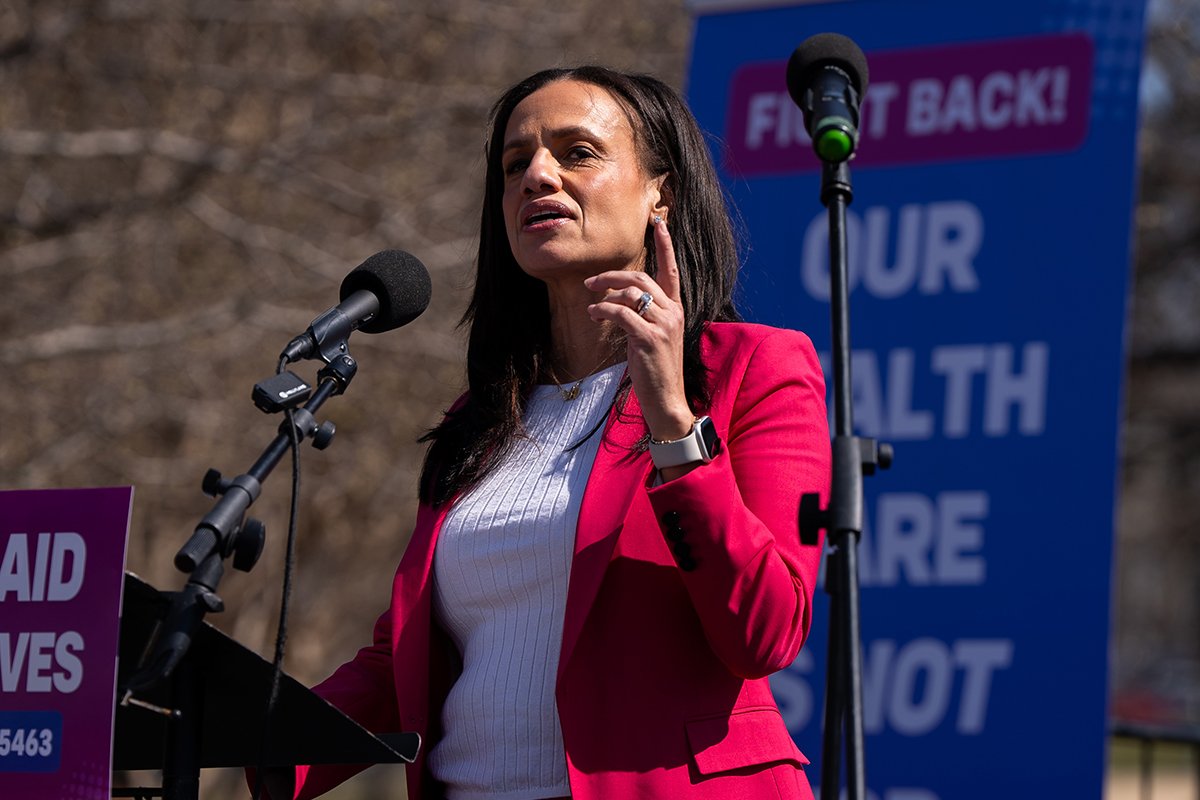
3 days agoWhat Leading Planned Parenthood Is Like Now | Nonprofit Quarterly | Civic News. Empowering Nonprofits. Advancing Justice.
Alexis McGill Johnson leads Planned Parenthood amid significant challenges to abortion rights and organizational funding under the Trump administration.
#midwifery
Medicine
fromNonprofit Quarterly | Civic News. Empowering Nonprofits. Advancing Justice.
1 week ago'It's a Safe Space': Mobile Midwifery Clinics Meet Patients Where They Are | Nonprofit Quarterly | Civic News. Empowering Nonprofits. Advancing Justice.
Mobile midwifery clinics provide culturally sensitive care to improve maternal health outcomes for women of color in Miami-Dade County.



fromJezebel
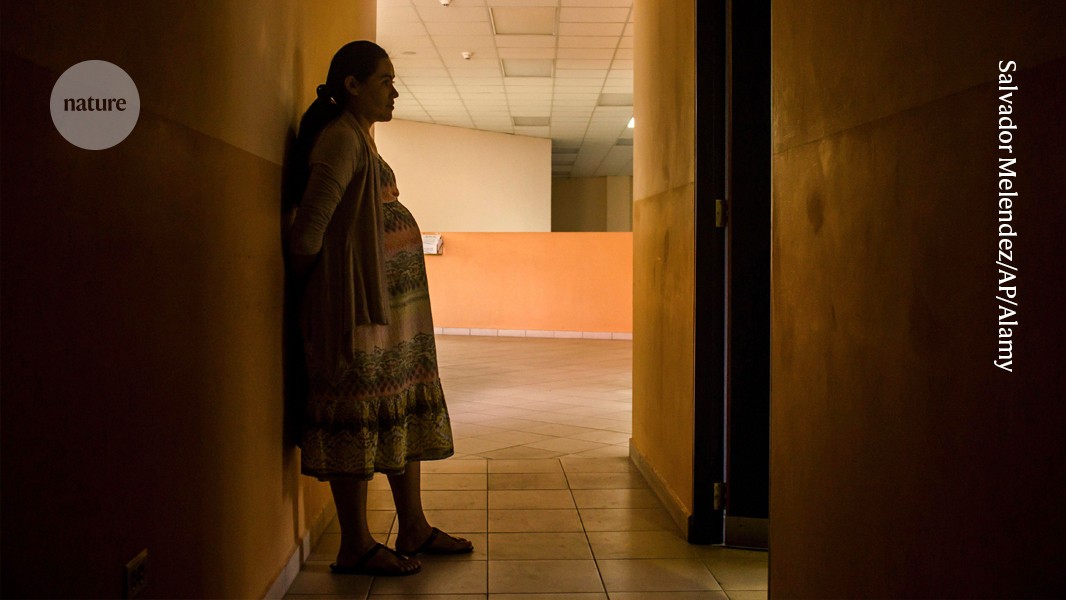
1 week agoICE Is Ignoring Woman's Life-Threatening Ovarian Cyst-and Her Condition Is Getting Worse
For over a month, my office has been going back and forth with ICE officials about Andrea's condition. We have been ignored, put off, and frankly, lied to about the treatment she has received while in detention.
US politics
Social justice
fromNonprofit Quarterly | Civic News. Empowering Nonprofits. Advancing Justice.
1 week agoThe Politics of Loving Kindness: Insights from a Birth Equity Initiative | Nonprofit Quarterly | Civic News. Empowering Nonprofits. Advancing Justice.
American politics increasingly tolerates brutal policies, widening inequality, while a vision of loving kindness could foster solidarity and community welfare.
fromwww.npr.org
2 weeks agoOB-GYN Mary Fariba Afsari discusses her memoir 'Labor' about starting a mobile clinic
I wanted to create a space where practicing specialists in obstetrics and gynecology could literally drive ourselves to a community that needed practitioners, pop open and see folks the way that we see them in our offices.
Women in technology
#immigration
Mental health
fromNonprofit Quarterly | Civic News. Empowering Nonprofits. Advancing Justice.
2 weeks agoTrapped and Alone: Fear of ICE Is Deepening Postpartum Isolation for Immigrant Mothers | Nonprofit Quarterly | Civic News. Empowering Nonprofits. Advancing Justice.
Immigrant mothers face isolation and stress during childbirth due to fears of deportation and separation from family.

#maternal-mortality
Public health
fromNonprofit Quarterly | Civic News. Empowering Nonprofits. Advancing Justice.
1 week agoMaternal Mortality Is a Policy Failure | Nonprofit Quarterly | Civic News. Empowering Nonprofits. Advancing Justice.
Maternal mortality in the U.S. is a public health emergency, with over 80% of deaths preventable and significant racial disparities in outcomes.
fromNature
4 weeks agoMotherhood derails women's academic careers - these data reveal how and why
The latest study published in March by the Centre for Economic Performance indicates that although the career trajectories of men and women are similar before becoming parents, their paths diverge starkly after the birth of their first child.
Women


US news
fromNonprofit Quarterly | Civic News. Empowering Nonprofits. Advancing Justice.
1 month agoMississippi Leads the Nation in Gun Deaths Among Pregnant and Postpartum People | Nonprofit Quarterly | Civic News. Empowering Nonprofits. Advancing Justice.
Mississippi has the highest rate of pregnancy-related gun deaths in the U.S., with many linked to domestic violence and firearms.
fromJezebel
4 weeks agoMore Pregnant Women Around the World Die When the U.S. Has a GOP President
Since 1985, every time the U.S. elects a Republican president, global maternal mortality increases by about 10.5%, or about 44.7 additional deaths per 100,000 live births. This erodes roughly one-fifth of the average worldwide decline in maternal mortality achieved since 1985.
Right-wing politics
NYC politics
fromCity Limits
1 month agoOpinion: New Yorkers Voted YES on Affordability. That Must Include Reproductive Health Care.
Reproductive health care access is foundational to economic stability and must be integrated into New York's affordability agenda to prevent lifelong health consequences.
fromJezebel
1 month agoFlorida Forced 2 Black Women to Have C-Sections They Didn't Want
Pregnancy is the only condition where Florida courts have ruled that a patient can be forced to undergo unwanted treatment. Even a state prisoner on a hunger strike has more rights to make medical decisions.
Medicine

Women in technology
fromNature
1 month agoUncharted: Understanding women's health across the body
Women's health remains largely understudied due to historical exclusion from clinical research, creating significant gaps in understanding disease prevention, diagnosis, and treatment across most health conditions.
Healthcare
fromwww.theguardian.com
1 month agoMillions of Americans are about to lose access to birth control. Why? | Moira Donegan
Title X program funding may expire March 31 due to Trump administration's refusal to complete administrative renewal tasks, threatening sexual and reproductive healthcare access for 2.3 million low-income Americans.
Public health
fromwww.independent.co.uk
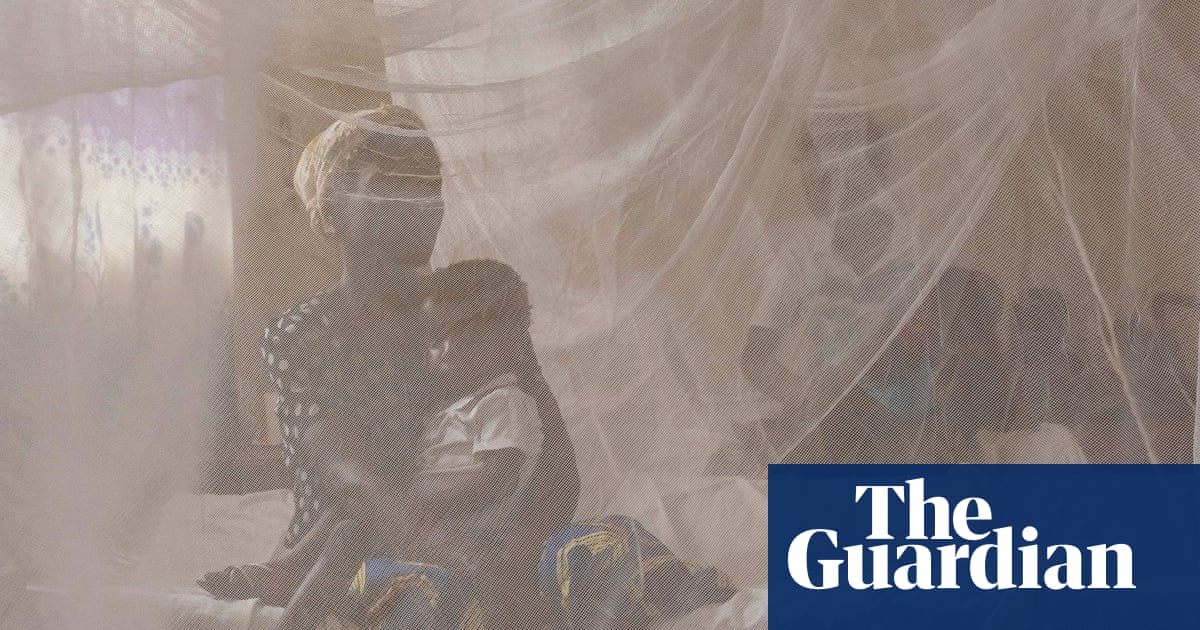
1 month agoWomen almost 150 times more likely to die from maternal sepsis in Africa than Europe
Women in sub-Saharan Africa are 150 times more likely to die from maternal sepsis than mothers in developed nations due to inadequate water, sanitation, and hygiene infrastructure in maternity wards.
Mental health
fromwww.bbc.com
1 month agoSent 90 miles after giving birth while 'soaked in urine'
A new mother with postpartum psychosis was forced to travel 90 miles for emergency care due to insufficient specialist mother and baby units, highlighting critical gaps in mental health service accessibility across the UK.
fromPsychology Today
2 months agoWho Gets to Be a Mother?
We'd been working together for years to make my medication regimen-treatment for schizoaffective disorder-safe for potential pregnancy. Under her care, I was tapering off an antidepressant known to cause respiratory distress and hypertension in a newborn. I'd been experiencing wild mood swings, even suicidal thoughts. My beloved doctor's eyes were sad. "I'm saying no to a pregnancy, Meg." Even in the moment, I understood her priority as a physician was to keep me safe. Still, part of me hated her.
Mental health
fromwww.bbc.com
1 month agoUnder-fire maternity services still need to improve
While noting women 'were treated with kindness and compassion', a 'requires improvement' rating was given. Inspectors said hospital management 'did not always support staff well-being' and 'were not always visible within the service and were sometimes perceived as unsupportive'. Staff reported they were confident to report incidents, however, were not always assured action would be taken.
Healthcare
fromLGBTQ Nation
2 months agoHIV impacts hundreds of thousands of women. Here's how. - LGBTQ Nation
The truth, of course, is that anyone can contract HIV, given the right circumstance, and according to the Yale University Library's online exhibition " We Are Everywhere: Lesbians in the Archive," by 1991 roughly 40% of HIV-positive people and 12% of AIDS patients in the U.S. were women. But a combination of longstanding bias in the medical field and the perception of HIV/AIDS as a gay epidemic led to women being excluded from research studies and clinical trials.
Public health
[ Load more ]