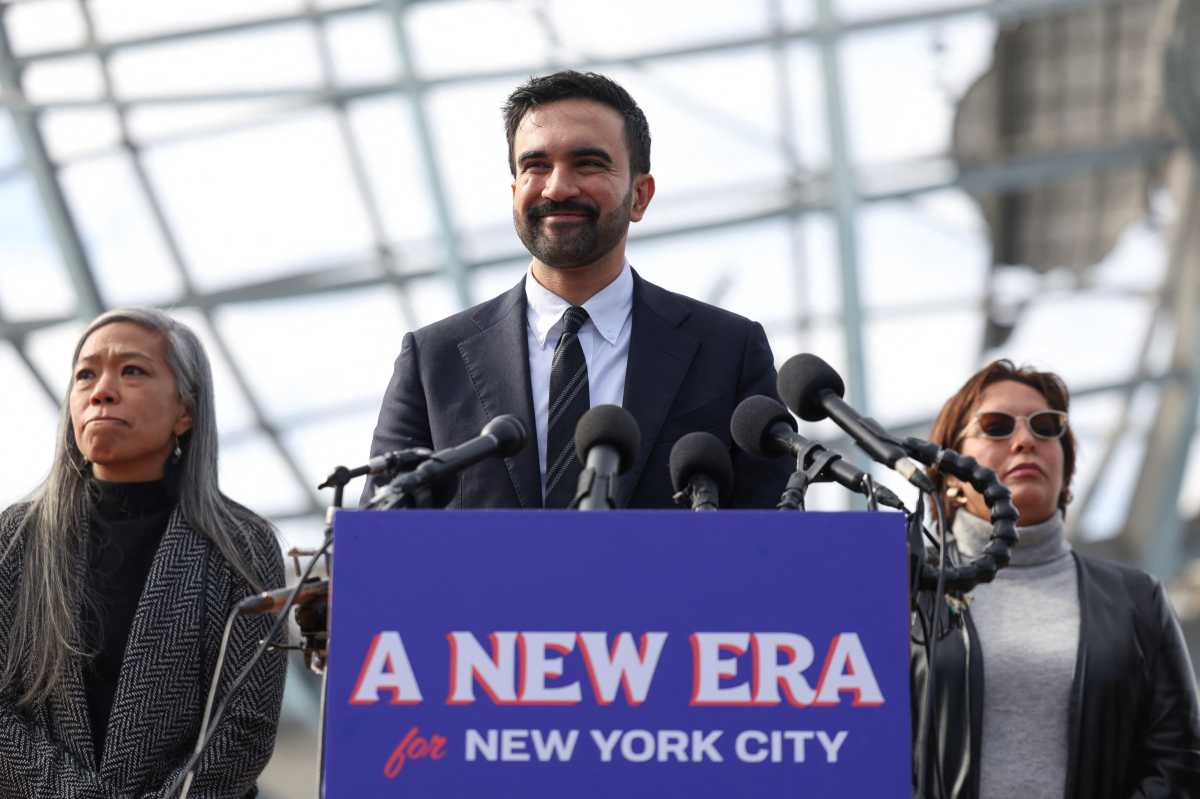
In 1975, New York City ran out of money. For a decade it had managed to pay for its hundreds of thousands of city employees and robust social services by taking on billions of dollars in debt. But eventually investors were no longer willing to lend the city any more money. New York teetered on the edge of bankruptcy the city shuttered more than a dozen firehouses, teachers went on strike and garbage piled up in the streets.
Just like every other city in California, Oakland desperately needs new revenue sources. California cities don't even have enough money to fund the bare minimum of public services, with essential services like BART shutting down frequently. This is a problem that has gone back decades, ever since 1978, when Proposition 13 passed, and has since robbed hundreds of billions of dollars from our communities.
An independent audit found that Everett Mayor Carlo DeMaria received an extra $260,964 in longevity and cost-of-living payments, including a $31,664 lump-sum adjustment in 2023. The findings, presented Monday at a special City Council meeting by MDD Foresnic Accountants, follow a state inspector general report earlier this year that flagged $180,000 in overpaid longevity funds. "Trust in government at the end of the day is everything," City Councilor Robert Van Campen said. "If we lose trust in the city government ... then the whole system breaks down."