#patent-eligibility
#patent-eligibility
[ follow ]
#federal-circuit #section-101 #uspto #uspto-policy #artificial-intelligence #ptab #ai-patents #machine-learning


fromIPWatchdog.com | Patents & Intellectual Property Law
1 week agoOther Barks & Bites for Friday, December 5: Tillis Blasts Lutnick Proposal on Government Share in Profits from Federally Funded Inventions; The Times Sues Perplexity AI; and USPTO Updates MPEP to Reflect Desjardins Decision
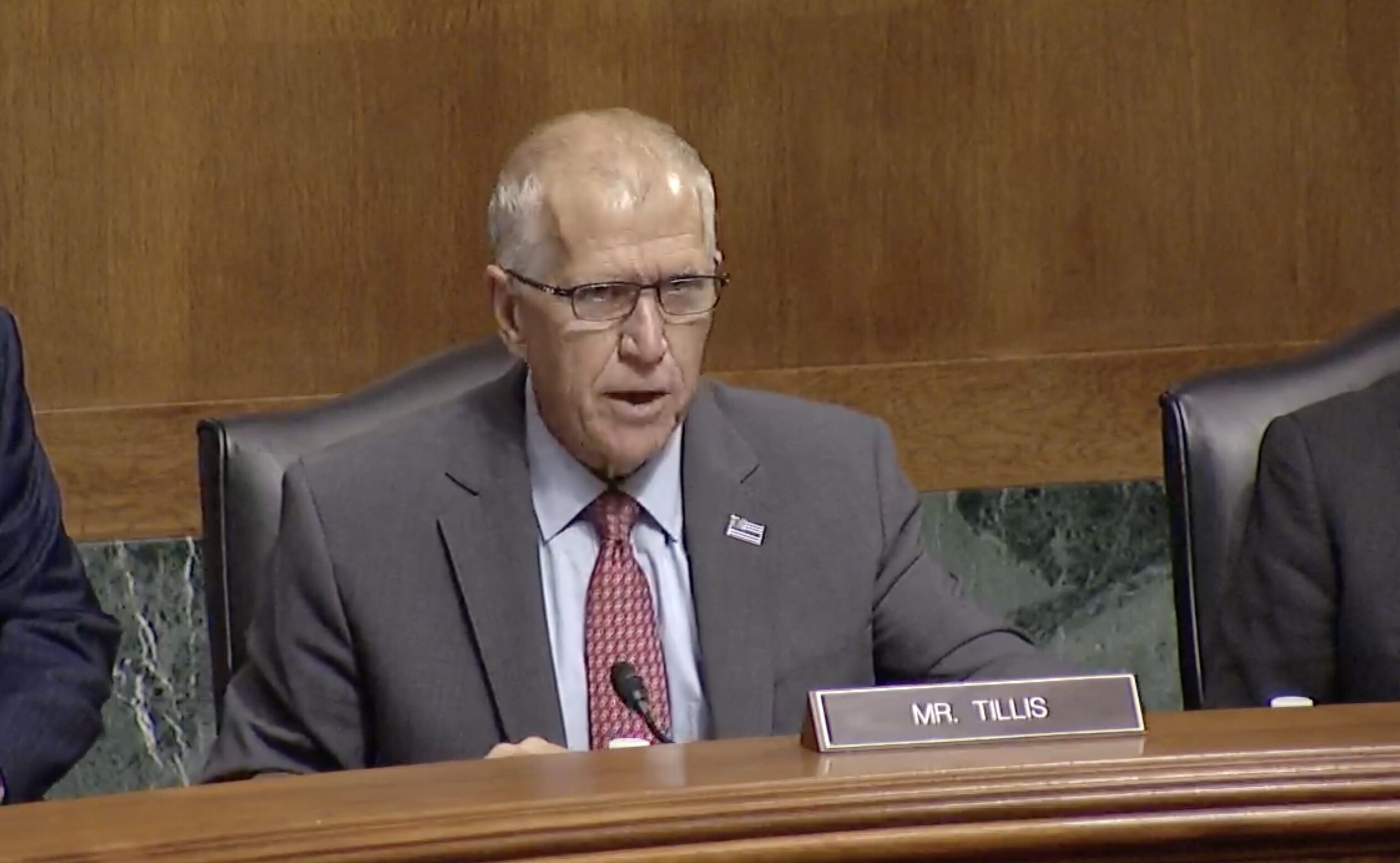
The U.S. Patent and Trademark Office announced it has updated the Manual of Patent Examining Procedure to reflect recent eligibility guidance; The New York Times has sued Perplexity AI for copyright and trademark infringement; AGs from seven U.S. states sent a letter to the College Sports Commission calling out its "cartoonishly villainous" university participation agreement; Senator Thom Tillis (R-NC) made negative remarks about the Commerce Department's proposals on government equity in
Intellectual property law
fromIPWatchdog.com | Patents & Intellectual Property Law
1 week agoUSPTO Reminds Examiners, Applicants to Consider and Use Eligibility Declarations Wisely
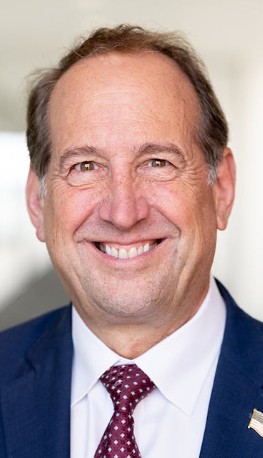
The press release sent today emphasized USPTO Director John Squires' commitment since his first day in office to ensuring that emerging technologies will not be hampered by judicial interpretations of U.S. eligibility law that have made it harder to enforce patents. On the day he was sworn in as the 60th USPTO Director, Squires issued the first patents of his term, both in technology sectors that often face increased scrutiny about patent eligibility during patent prosecution and in the courts.
Intellectual property law

Intellectual property law
fromIPWatchdog.com | Patents & Intellectual Property Law
4 weeks agoCAFC Says Weakness of Patent Owner's Litigation Position Warrants Attorney Fee Award
The Federal Circuit affirmed a district court award of attorney fees against Hawk Technology due to the patent's substantive weakness and lack of pre-suit investigation.
fromPatently-O
1 month agoEmpty Formalism: How Patent Eligibility Lost Touch with Preemption
Conventional wisdom is that a good certiorari petition needs to show the legal error below and also show why the case is important and timely. The petition follows this dual framing strategy: (1) a doctrinal claim that the Federal Circuit has abandoned preemption as the touchstone of patent eligibility; and (2) a policy argument tied to what I think of as the "new great game" and what the Trump Administration calls "Winning the AI Race." The case also arrives at the Supreme Court as the USPTO has begun to move aggressively toward limiting its use of eligibility in patent prosecution.
Artificial intelligence
Intellectual property law
fromIPWatchdog.com | Patents & Intellectual Property Law
1 month agoDoes the 2025 Version of PERA Indirectly Sanction Judicially Created, Non-Statutory ODP?
A rider preserves the judicially-created obviousness-type double patenting doctrine in a patent eligibility bill, creating legal and procedural concerns.
fromIPWatchdog.com | Patents & Intellectual Property Law
2 months agoOther Barks and Bites for Friday, October 10: SCOTUS Invites SG's Views on RiseandShine's Trademark Issues; MPA Urges OpenAI to Address Sora 2 Infringement; and UPC to Add Third Panel to Court of Appeal
Want to have your doggie(s) featured in one of our future Barks & Bites Columns? Send your dogs photo(s) along with their name, breed (if you know it) and their age to [email protected] . All photos will be added to the IPWatchdog Dog Wall at IPWatchdog Studios and will be added to the queue of images we select from each week.
Intellectual property law
fromPatently-O
2 months agoPERA 2025: Eligibility Reform Returns to Capitol Hill
Chairman Thom Tillis (R-NC) and ranking member Adam Schiff (D-CA) both acknowledged the widespread confusion in current eligibility jurisprudence, with Tillis noting that the status quo "continues to be hopelessly confused" and expressing determination to move the bill forward to committee markup. The Bill has bipartisan support in the Senate, but it is unclear how hard those in opposition would push if the bill started to move forward.
Intellectual property law

Intellectual property law
fromIPWatchdog.com | Patents & Intellectual Property Law
2 months agoCAFC Affirms Obviousness of Vehicle ID Claims, Finds Substitute Claims Ineligible Under Section 101
CAFC affirmed PTAB that Rideshare's vehicle-identification claims were obvious and held substitute claims not patent-eligible under Alice Step Two for lacking a technological solution.
frompatentlyo.com
2 months agoThanks for Your Input: Federal Circuit Ignores USPTO's 101 Framework (Again)
The Federal Circuit affirmed the PTAB determination that claims directed to vehicle identification systems for ridesharing services were unpatentable for obviousness, but reversed the Board's grant of Rideshare's motion to amend substitute claims. Judge Hughes, writing for the panel, held that the substitute claims were directed to patent-ineligible subject matter under 35 U.S.C. 101 because they merely used technology as a tool to improve user experience rather than improving computer functionality itself.
fromIPWatchdog.com | Patents & Intellectual Property Law
2 months agoJudge O'Malley Reflects on CAFC Tenure, Patent Law Challenges, and Advice for New IP Attorneys at IPWatchdog Women's IP Forum
Judge O'Malley, who served on the Federal Circuit from 2010 to 2022 after 16 years in the U.S. District Court for the Northern District of Ohio, was the first former district court judge to be appointed to the Federal Circuit. Her unique perspective as both a trial and appellate judge has continued to shape her views on the judiciary, patent law challenges, and the future of IP.
Intellectual property law
fromPatently-O
2 months agoThe PowerBlock Problem: A Roadmap for Dodging Patent Eligibility Hurdles
The petition argues that the panel's holding directly conflicts with the court's precedent in Yu v. Apple Inc., 1 F.4th 1040 (Fed. Cir. 2021) as well as Supreme Court precedent by allowing systems to avoid ineligibility simply by reciting conventional components that perform basic functions at a high degree of generality. The patent in this case seems to me similar to so many others -- it claims a known physical system at a fairly high level of generality and couples that with previously unknown information processing.
Intellectual property law
Intellectual property law
fromIPWatchdog.com | Patents & Intellectual Property Law
3 months agoWhat the New USPTO Memo on 101 Means for Patent Eligibility Rejections
USPTO guidance signals a more cautious approach to 35 U.S.C. 101 rejections, favoring applicants when claim scope is ambiguous and emphasizing claim interpretation order.
Intellectual property law
fromGlobal IP & Technology Law Blog
4 months agoPatent Office Memo to Examiners Gives Insight For Patenting Software Inventions
The Deputy Commissioner of Patents has provided updated guidance for evaluating software-implemented inventions under Section 101, focusing on the Alice/Mayo test.
fromPatently-O
5 months agoEn Banc Ineligibility Petition in Longitude Licensing v. Google
Longitude Licensing Ltd. v. Google LLC highlights the ongoing patent eligibility challenges as the Federal Circuit dismisses claims under 35 U.S.C. § 101 for generic, functional limitations.
Intellectual property law
[ Load more ]