#soil-bacteria

[ follow ]
fromBig Think
1 day ago

Everything you eat is sunlight. Scientists want to cut out the middleman.

To fuel our bodies, we must eat other living things, killing them in the process. However, most plants and algae are autotrophs. They bootstrap their biomass without the barbarism of eating others: using photosynthesis, turning sunlight, water, and carbon into energy.
Philosophy
#agronomy
fromRealagriculture
1 day ago
Agriculture

Fertility first, spring swings, help for bees, & building organic matter | Wheat Pete's Word, Apr 22

Spring conditions in Ontario are variable, with wet fields and challenges from drought and freeze affecting crop management decisions.
Agriculture
fromRealagriculture
1 week ago

The economics of nitrogen, a phosphorus squeeze, and the science fair | Wheat Pete's Word, Apr 15/26

Weather extremes and fertilizer supply challenges impact wheat development and management strategies across North America.
Agriculture
fromRealagriculture
1 day ago

Fertility first, spring swings, help for bees, & building organic matter | Wheat Pete's Word, Apr 22

Spring conditions in Ontario are variable, with wet fields and challenges from drought and freeze affecting crop management decisions.
Agriculture
fromRealagriculture
1 week ago

The economics of nitrogen, a phosphorus squeeze, and the science fair | Wheat Pete's Word, Apr 15/26

Weather extremes and fertilizer supply challenges impact wheat development and management strategies across North America.
Pets
fromTasting Table
6 hours ago

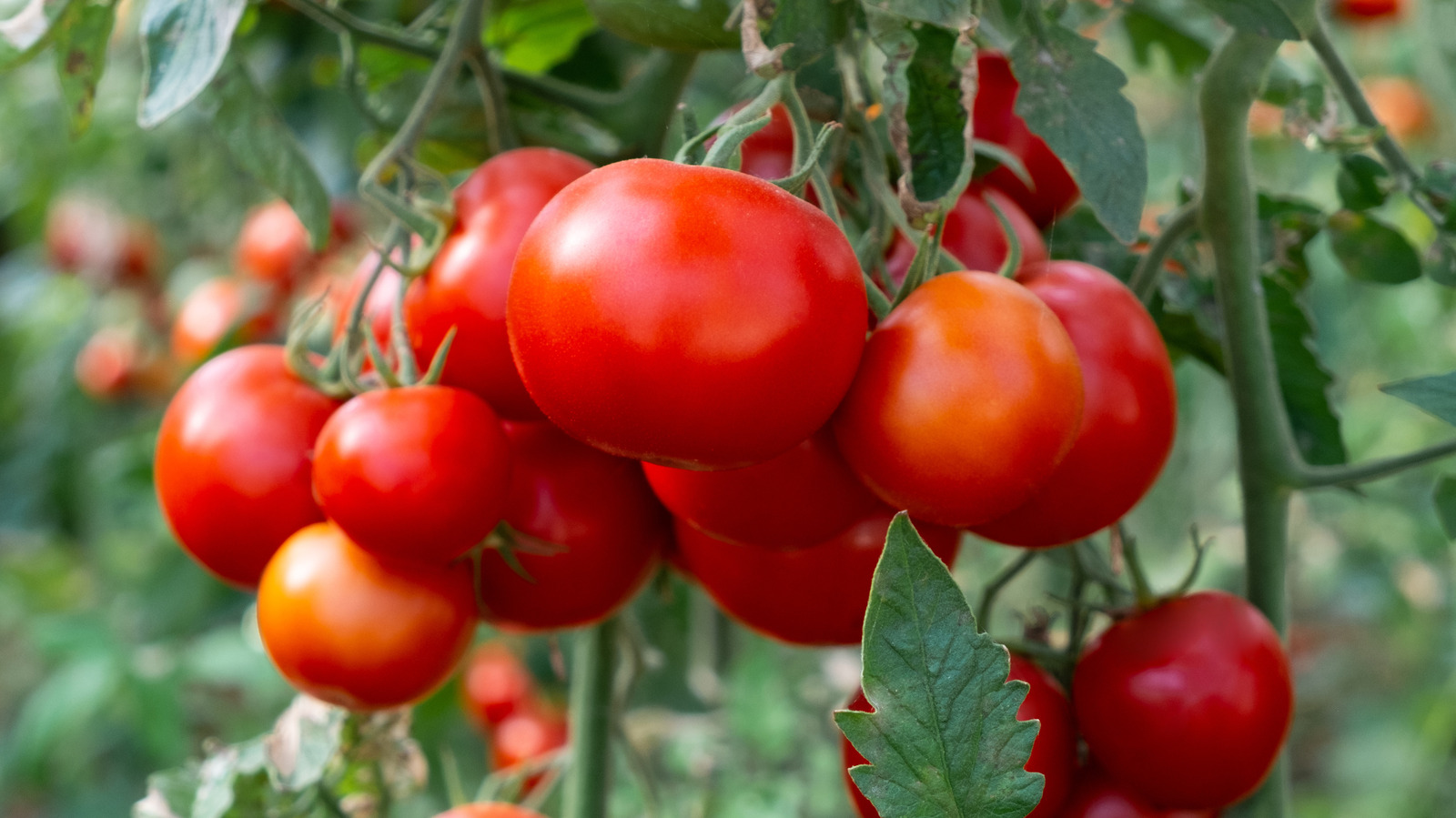
Why People Put Soap Near Tomato Plants - And Whether You Should Too - Tasting Table

Irish Spring bar soap may help repel pests from tomato plants using its fragrance and ingredients.
#gardening
fromTasting Table
1 week ago
Everyday cooking

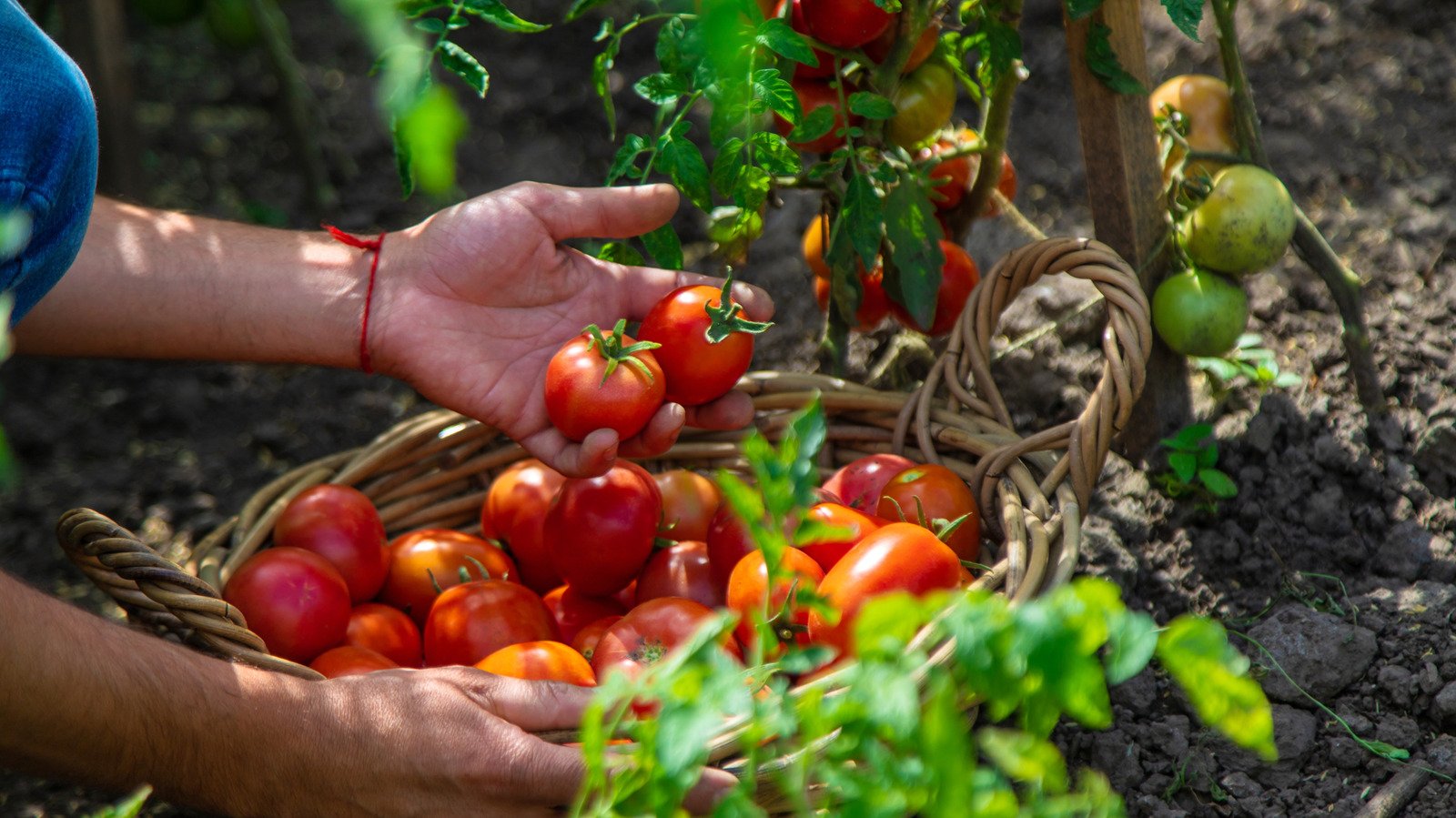
Thriving Tomato Plants Come Easy With This Natural Fertilizer Made From Kitchen Scraps - Tasting Table

fromTasting Table
3 weeks ago
Alternative medicine

This Easy Fertilizer DIY Makes Gardens Thrive (Goodbye Coffee Grounds And Miracle-Gro) - Tasting Table

Coffee
fromTasting Table
1 day ago

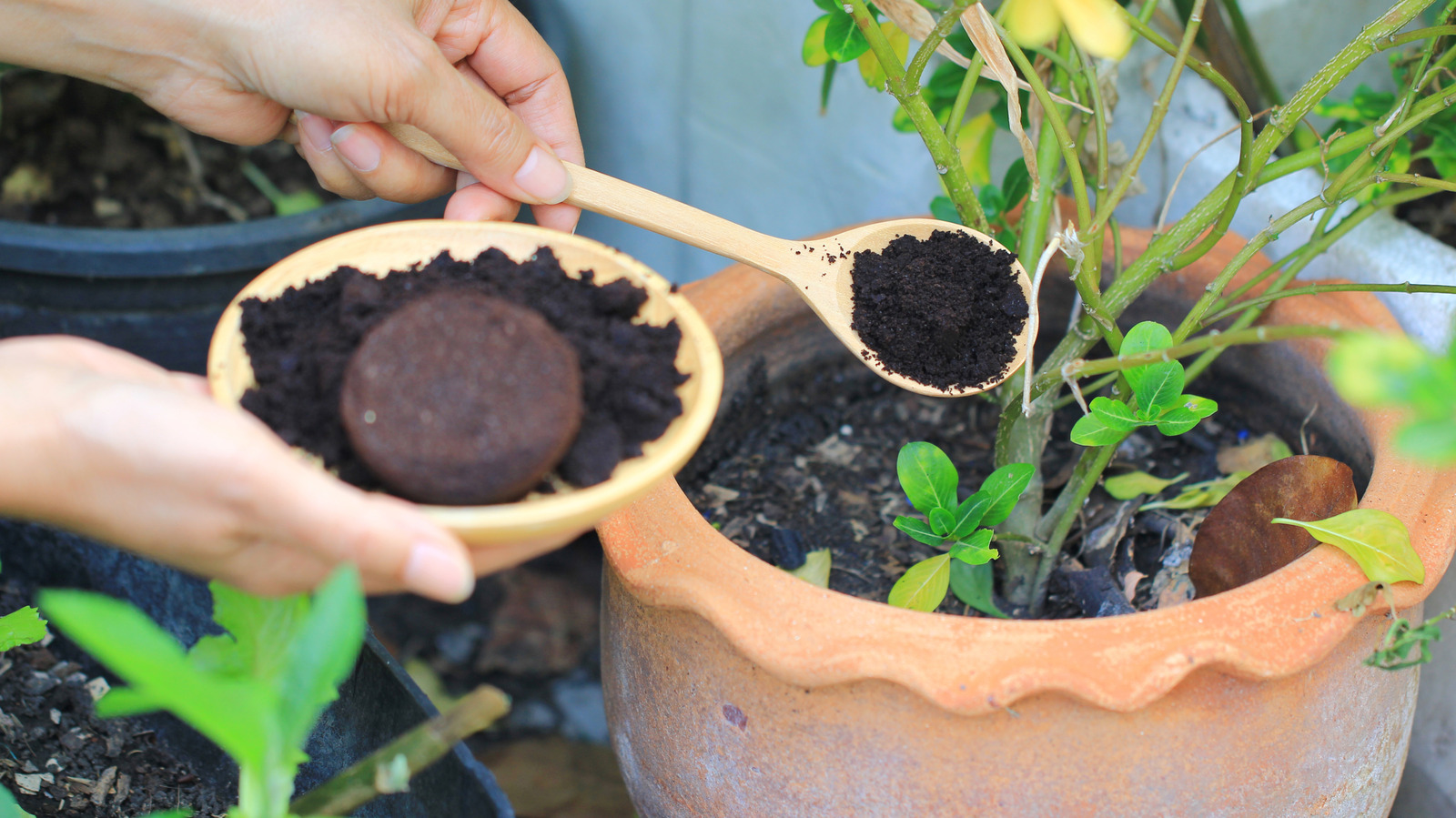
If You're Growing Strawberries, Hold Onto Your Coffee Grounds - Tasting Table

Used coffee grounds enhance compost for strawberry plants by providing moisture and structure, but they are not a significant source of nutrition or pH adjustment.
Everyday cooking
fromTasting Table
1 week ago

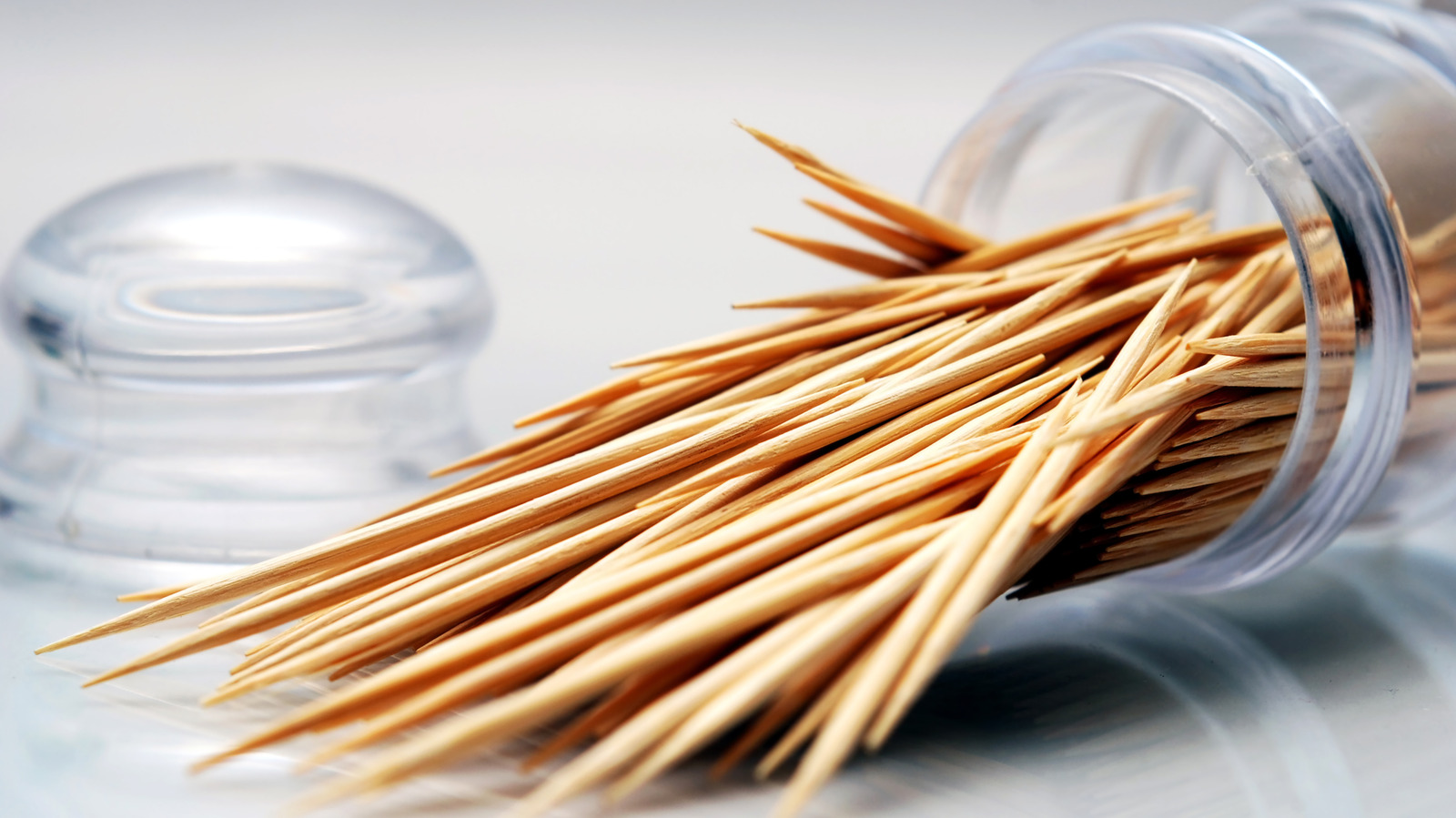
A Toothpick Can Save Your Garden Edibles From Too Much Water - Tasting Table

Toothpicks can effectively check soil moisture for plants, preventing overwatering and ensuring proper hydration.
Everyday cooking
fromTasting Table
1 week ago

Thriving Tomato Plants Come Easy With This Natural Fertilizer Made From Kitchen Scraps - Tasting Table

Onion peels can be used as fertilizer to enhance tomato plant growth by providing essential nutrients.
Coffee
fromTasting Table
2 weeks ago

These 5 Plants Hate Coffee Ground Fertilizer - Here's What To Use Instead - Tasting Table

Used coffee grounds can enhance soil but may harm certain plants due to caffeine and acidity.
Alternative medicine
fromTasting Table
3 weeks ago

This Easy Fertilizer DIY Makes Gardens Thrive (Goodbye Coffee Grounds And Miracle-Gro) - Tasting Table

Fish emulsion is a natural, nutrient-rich fertilizer that can be made at home using fish scraps, providing essential elements for plant growth.
fromEarth911
1 week ago

How To Grow Vegetables With Aquaponics

Aquaponics systems utilize one gallon of water to produce a kilogram of leafy greens, compared to over 30 gallons in traditional farming, showcasing remarkable efficiency.
Environment
OMG science
fromNature
1 week ago

Daily briefing: The air is full of DNA - here's what it can teach us

Airborne DNA and penguins are being used to study ecosystems and monitor environmental pollutants.
Data science
fromNature
1 week ago

AI needs solid botanical data more than ever

The disappearance of specialized botany programs threatens biodiversity research and the effectiveness of AI in biotechnology.
Philosophy
fromPsychology Today
3 days ago

Education to Improve the Planet's Health, and Our Own

Nature enhances human health, but environmental degradation now negatively impacts well-being, necessitating education reform for Planetary Health.
Alternative medicine
fromTasting Table
1 week ago

Why You May Want To Skip Epsom Salt On Your Basil - Tasting Table

Epsom salt can be beneficial for plants but should be used cautiously to avoid toxicity and misdiagnosis of nutrient deficiencies.
Agriculture
fromRealagriculture
6 days ago

How "medium rare" nodules feed nitrogen success | Soybean School

Early nitrogen fixation through inoculants significantly enhances soybean crop performance and requires careful handling and application.
OMG science
fromNature
1 week ago

The air is full of DNA - here's what scientists are using it for

Airborne DNA is a new frontier for studying ecosystems, monitoring species, and assessing conservation efforts.
London
fromwww.theguardian.com
2 weeks ago

Say no to pesticides, mix up your lawn and six more ways to help bees to thrive

Solitary bees are crucial pollinators, with over 240 species in the UK, but they are facing significant population declines.
Agriculture
fromRealagriculture
4 days ago

Make your first pass count in pulses

Effective disease management maximizes yield potential in pulse crops, emphasizing the importance of first applications and using well-formulated fungicides.
fromwww.theguardian.com
2 weeks ago

Houseplant hacks: do eggshells deter fungus gnats from laying eggs?

Crushed clean, dry eggshells, when scattered over the soil, are intended to stop adult gnats from laying eggs and potentially add natural fertilizer. However, they merely sit on the surface, collecting dust, while the gnats remain attracted to the damp compost.
Renovation
Agriculture
fromHigh Country News
6 days ago

Why mycorrhizal fungi networks need more protection - High Country News

Mycorrhizal fungi are crucial for plant health and carbon sequestration, yet 90% of their biodiversity hotspots lack protection.
#agriculture
fromRealagriculture
4 weeks ago
Canada news

Ag minister announces development of national soil health strategy

The Canadian government is developing a National Agricultural Soil Health Strategy with the Soil Conservation Council of Canada.
fromFast Company
1 week ago
Agriculture

New uses for traditional crops are increasing value per acre

Crops are increasingly designed to serve multiple markets simultaneously, enhancing value creation without requiring more land.
Agriculture
fromFast Company
1 week ago

New uses for traditional crops are increasing value per acre

Crops are increasingly designed to serve multiple markets simultaneously, enhancing value creation without requiring more land.
Agriculture
fromTasting Table
1 week ago

5 Safe And Effective Ways To Use Charcoal In Your Vegetable Garden - Tasting Table

Horticultural charcoal improves soil quality but is not a fertilizer; it requires charging with compost tea before use.
#sustainability
Agriculture
fromTasting Table
1 month ago

These 10 Fruits And Vegetables Don't Belong In Raised Beds - Tasting Table

Growing your own food in raised beds promotes sustainability and self-sufficiency while providing fresh produce at lower costs.
Agriculture
fromTasting Table
1 month ago

These 10 Fruits And Vegetables Don't Belong In Raised Beds - Tasting Table

Growing your own food in raised beds promotes sustainability and self-sufficiency while providing fresh produce at lower costs.
fromwww.theguardian.com
1 week ago

African scientists hail mushrooming global interest in conserving fungi

Fungi are some of the most important things in the world. They feed 90% of terrestrial plants. Without them, there is no life on the Earth.
Agriculture
#vegetable-gardening
Agriculture
fromwww.theguardian.com
1 week ago

Start small, grow what you like and be realistic: how to start a vegetable garden

Growing your own vegetables offers unmatched taste, health benefits, and can be done in small spaces without a yard.
Agriculture
fromTasting Table
1 week ago

The 6 Most Affordable Vegetables To Plant In Your Garden, According To A Farmer - Tasting Table

Tending a vegetable garden is a rewarding way to ensure fresh food and save on grocery costs.
Agriculture
fromwww.theguardian.com
1 week ago

Start small, grow what you like and be realistic: how to start a vegetable garden

Growing your own vegetables offers unmatched taste, health benefits, and can be done in small spaces without a yard.
Agriculture
fromTasting Table
1 week ago

The 6 Most Affordable Vegetables To Plant In Your Garden, According To A Farmer - Tasting Table

Tending a vegetable garden is a rewarding way to ensure fresh food and save on grocery costs.
Agriculture
fromRealagriculture
2 weeks ago

The Agronomists, Ep 236: Nitrogen release from soil with Edgar Hammermeister and Marshall McDaniel

Predicting soil nitrogen release involves understanding influencing factors and utilizing tools for effective management.
fromRealagriculture
2 weeks ago

Pulse School: Balancing P-K-S fertility when margins are tight

"The awesome thing with pulse crops is no nitrogen needs... not having to put any nitrogen on a pulse crop is a great starting point," he says, noting that this allows growers to not only meet PKS requirements but, in some cases, build soil fertility for the rotation.
Agriculture
Everyday cooking
fromTasting Table
1 month ago

Fireplace Ashes Can Boost Your Vegetable Garden - If You Use Them The Right Way - Tasting Table

Wood ash serves as a nutrient-rich, budget-friendly fertilizer that enhances plant growth, modifies soil pH, and deters garden pests when applied sparingly in small doses.
London politics
fromwww.bbc.com
1 month ago

Residents to grow food on 'unloved' public land

Hounslow Council launches Right to Grow initiative allowing residents to cultivate food on unused public land, becoming only the second London council to adopt this policy.
#cover-crops
Agriculture
fromModern Farmer
2 weeks ago

How to Kill Winter Crops Without Losing Soil Gains

Proper timing and method for terminating cover crops are crucial for maximizing soil biomass and ensuring successful subsequent crop growth.
Agriculture
fromEarth911
3 weeks ago

Biochar Was a Billion-Ton Dream, the Reality Is More Complicated

Biochar can store carbon and improve soil health, but recent analysis warns against overhyping its potential.
Agriculture
fromTasting Table
3 weeks ago

5 Delicious Garden Favorites You May Be Able To Plant In April - Tasting Table

Timing is crucial for successful kitchen gardening, especially for planting seasonal vegetables and fruits.
fromwww.npr.org
1 month ago

Scientists find a new clue to help them identify a healthy gut microbiome

There are some communities that are very unhealthy where the diversity is higher. Low diversity is not a universal marker. We found something that at first seemed surprising. That a healthy microbiome has lots of competition. These bugs are all going after the same food. In an unhealthy gut, on the other hand, you see tight cooperation - microorganisms are helping each other out.
Medicine
Science
fromArs Technica
2 months ago

Fungus could be the insecticide of the future

Certain strains of Beauveria bassiana can infect and kill Eurasian spruce bark beetles despite beetles’ enhanced antimicrobial defenses.
Agriculture
fromModern Farmer
3 weeks ago

5 Ways Interseeding Can Change the Farming Landscape

Interseeding enhances crop output and sustainability by allowing multiple crops to grow simultaneously, benefiting both large and small farms.
Food & drink
fromMail Online
1 month ago

Broccoli is a versatile 'super vegetable' everyone needs more of

Broccoli is a nutritious brassica, essentially an immature flowering head, with a long Mediterranean history and diverse culinary uses worldwide.
Public health
fromNature
2 months ago

How to eat well and within Earth's limits

Dietary choices drive human health and planetary stability; shifting to minimally processed, protein-rich and plant-forward diets reduces emissions, water use, pollution, and premature deaths.
Environment
fromwww.mcall.com
2 months ago

Backyard vegetable gardens are healthy for people and the planet. Here's how to start yours

Backyard vegetable gardens reduce food-related emissions, improve soil and pollinator habitat, and boost physical, social, emotional, and nutritional health.
fromRealagriculture
2 months ago

Get your soil health project funded through OFCAF

Across Ontario, producers are building healthier soils and improving their operations through everyday decisions - ones that shape productivity today and influence the legacy left for the next generation. The Ontario On-Farm Climate Action Fund (OFCAF) supports this work by providing cost-share funding to support the implementation of nitrogen management, cover cropping and rotational grazing projects. Many operations are already putting these beneficial management practices (BMPs) to work.
Canada news
Science
fromScienceDaily
2 months ago

Gut bacteria can sense their environment and it's key to your health

Beneficial gut bacteria, especially Clostridia, detect diverse digestive chemical signals and move toward nutrients like lactate and formate to fuel the microbiome.
fromTasting Table
1 month ago

Using Rice Water To Fertilize Houseplants? Avoid This Mistake That Could Cost You Your Plant - Tasting Table

Rice water doesn't have any additional nutrients that plants need to grow - for example, the nitrogen, potassium, and phosphorus found in conventional fertilizers - and the starchy residue doesn't necessarily "fertilize" your plant. However, it is still water that would otherwise just be dumped down the sink, so if you're not saving your rice water for cooking, you might as well use it to hydrate your plants.
Everyday cooking
fromSilicon Canals
2 months ago

This kitchen scrap makes the best free fertilizer and most people throw it away - Silicon Canals

Last week, I was making my morning coffee-you know, the complicated order I'm too embarrassed to say out loud at coffee shops-when I noticed the pile of used grounds in my filter. For years, I'd been tossing these straight into the trash without a second thought. But then I remembered something my grandmother wrote in one of her letters years ago: "The garden teaches us that nothing is truly waste."
Coffee
Environment
fromEarth911
2 months ago

Check Out These Great Gardening Tips

Embrace native plants, avoid chemical garden products, and practice eco-friendly gardening to benefit nature and human well-being.
Canada news
fromRealagriculture
2 months ago

A clean pass under pressure: Why farmers need to take the next shift on plant breeding

Canadian agricultural research faces structural funding pressures and requires a new, diversified research strategy to preserve critical knowledge, regain lost ground, and compete globally.
Agriculture
fromBusiness Matters
1 month ago

Best Water-Soluble Fertilizer Companies for Hydroponics

Water-soluble fertilizers are essential for hydroponics and greenhouse production, ensuring precise nutrient delivery and preventing system issues.
fromEarth911
1 month ago

Seed, Sprout, Spectacular: Tips for Starting Your Garden From Scratch

Starting plants from seed extends your relationship with the garden, gives you more control over seed sourcing, and saves real money compared to buying nursery starts, sometimes as much as 90% per plant.
Agriculture
Environment
fromState of the Planet
2 months ago

How Can We Mend Our Living World?

Human, animal, and plant relationships are intertwined; biodiversity decline reshapes these connections and requires rethinking narratives and interdisciplinary approaches to repair the living world.
fromwww.theguardian.com
2 months ago

Humanity's favourite food': how to end the livestock industry but keep eating meat

For someone aiming to end the global livestock industry, Bruce Friedrich begins his new book called Meat in disarming fashion: I'm not here to tell anyone what to eat. You won't find vegetarian or vegan recipes in this book, and you won't find a single sentence attempting to convince you to eat differently. This book isn't about policing your plate.
Environment
Environment
fromEarth911
1 month ago

Classic Sustainability In Your Ear: The Ocean River Institute's Natural Lawn Challenge for Climate Action

Natural lawn practices reduce water consumption, eliminate harmful chemicals, support pollinators, and store significantly more carbon than chemically-treated lawns, making healthy lawns powerful climate change solutions.
Agriculture
fromRealagriculture
1 month ago

The Agronomists, Ep 233: The sulphur on soybeans payoff, with Henry Prinzen and Karl Wyant

Sulphur additions in crop rotations show increasing evidence of benefits, particularly for soybeans and in managing soilborne diseases like SDS.
Environment
fromwww.theguardian.com
2 months ago

Plant trees, bushes and evergreens now to give your garden structure

Plant structural trees, hedges and evergreens now, including bare-root specimens, to give winter gardens lasting form and year-round interest.
Agriculture
fromFast Company
1 month ago

Why the industry that feeds 8 billion people still can't read its own data

Agriculture's fragmented, incompatible data systems prevent AI from delivering value, despite massive untapped information potential worth $500 billion globally.
Agriculture
fromModern Farmer
1 month ago

Spring Soil Amendments: What to Add to the Field in March

March is an ideal time to amend soil when temperatures reach 40°F or higher, with compost being a gentle, nutrient-rich amendment that supports soil microbiomes and plant health.
Agriculture
fromRealagriculture
1 month ago

The truth about innovation in crop protection, with Mike Frank

Crop protection innovation is shifting from new molecules to formulations and mixtures, with off-patent actives dominating the market across 140 countries.
Agriculture
fromRealagriculture
1 month ago

RhizoSorb tops one million acres as growers seek improved phosphate efficiency

Phospholutions' RhizoSorb technology reached one million commercial acres in 2025, driven by growers seeking phosphorus efficiency and cost savings through controlled-release fertilizer innovation.
fromRealagriculture
2 months ago

Can biologicals fill the soybean nitrogen gap? The jury's still out

More than 100 research studies show that soybeans typically suffer from a nitrogen gap when yields exceed 60 bu/ac. At that yield level, the combination of soil nitrogen and nodulation often doesn't provide what the plant requires to achieve higher yields. Could biologicals - including nitrogen-fixing endophytes and biostimulants - fill that "yield gap" and provide the nitrogen required at high yield levels? That's a question Syngenta Canada biological field specialist Greg Stewart has been working on for the past two years.
Agriculture
fromRealagriculture
1 month ago

Pulse School: Three tips for managing aphanomyces and protecting pulse economics

If you've got it severe enough it can be devastating and if not it can be managed... it just depends on where you are and what weather conditions you've had in the past and the amount of peas or lentils you've grown on those fields before.
Agriculture
fromDaily Coffee News by Roast Magazine
2 months ago

In Wake of India's "Green Revolution," Scientists Find Organic Soils Healthier

As concepts such as "regenerative" and "biodynamic" continue to enter the mainstream coffee lexicon, scientists continue to literally dig into the soil to give them meaning. A recent peer-reviewed study from India's Western Ghats argues that one of the clearest signals of healthy, sustainable coffee farms lies in the ground itself, with organic coffee soils performing better than soils from conventional farms treated with synthetic inputs.
Agriculture
Agriculture
fromRealagriculture
1 month ago

The cost of digging out of a soil fertility deficit

Excessive fertilizer rate reductions deplete soil nutrient reserves below critical thresholds, causing rapid yield losses that require costly long-term rebuilding.
fromModern Farmer
1 month ago

Your February Soil Checklist: What to Do Now for Healthy Soil

The term "soil fatigue" or exhaustion refers to the condition that soil profiles take on when they've been heavily monocropped and untended. This soil is devoid of the microbial content that offers plants bioavailable food. It lacks the fungal and bacterial organisms that interact with plant nutrients.
Agriculture
Agriculture
fromRealagriculture
2 months ago

Wheat Pete's Word, Feb 4: Phosphorus starter, soil biology, and sorting fact from fiction

Wheat agronomy topics include global grain logistics, soil biology, nutrient management, winter pest dynamics, tile drainage defense, and skepticism toward unproven technologies.
Agriculture
fromRealagriculture
2 months ago

What's the best way to manage crop residue?

No-till is the preferred residue management strategy among surveyed growers, preserving soil cover and supporting soil health.
Agriculture
fromRealagriculture
1 month ago

RhizoSorb delivers on higher phosphorous fertilizer ROI

RhizoSorb is a phosphate efficiency technology that doubles phosphate feeding efficiency, requiring one-third less product than traditional MAP while delivering 10% cost savings per acre and approximately $20 ROI.
Agriculture
fromFast Company
2 months ago

Why investors and farmers are betting on organic agriculture

Organic farming is now the most profitable model for U.S. farmers, consistently generating higher net income than conventional systems.
fromTasting Table
2 months ago

The Slow-Growing Crop That Pays Off Big When You Start It From Seed - Tasting Table

People grow asparagus from crowns because it shortens the long wait times for harvesting. From seed, you'll need to wait three years before harvesting asparagus. Some people consider that a waste of time. The tradeoff is that you can keep harvesting every spring for up to 15 years or more. If you plant crowns, you get a one-year jump on things. However, those crowns may have soil-borne diseases you don't know about, so there is a risk involved. Seeds remove that problem.
Agriculture
Agriculture
fromRealagriculture
2 months ago

Farming Forward: Protecting fertilizer from loss through banding depth

Deep banding nitrogen at least 2.5 inches with good soil coverage reduces losses and improves nutrient-use efficiency compared with shallow banding or broadcasting.
Agriculture
fromRealagriculture
2 months ago

Learning more about KWS hybrid rye, Ep 1

Hybrid rye offers high digestibility and versatile feed and forage use for livestock with manageable ergot risk using modern hybrids and proper feeding practices.
Agriculture
fromRealagriculture
2 months ago

The Agronomists, Ep 227: Interpreting soil test results with Tryston Beyrer and Jack Legg

Interpreting soil tests and choosing to build, maintain, or draw down nutrient levels maximizes fertilizer return on investment and long-term soil fertility.
Agriculture
fromRealagriculture
1 month ago

RealAg Radio: Meteorological spring, sulphur management, and new variety considerations, Mar 2, 2026

Agronomic Monday covers meteorological spring, maple syrup season, DON risk in corn, sulphur management, wheat variety considerations, and risk management strategies for farm operations.
fromwww.theguardian.com
1 month ago

When it comes to preparing seeds for your garden, you'll reap what you sow

To an unimaginable eye, a seed looks inert. Yet they are packed with genetic information and biological processes poised to unfold. All it takes is the right configuration of signals and stimuli from the environment to let them know it's time to dare to grow.
Agriculture
Agriculture
fromRealagriculture
1 month ago

Don't cut the science that pays the bills

Closing AAFC research stations undermines Canada's agricultural competitiveness by eliminating the only coordinated system for validating crop genetics across diverse agro-ecological zones, despite wheat breeding generating a 32:1 benefit-cost ratio.
Agriculture
fromRealagriculture
2 months ago

Pulse School: Three great reasons to put a pulse in rotation

Pulses improve crop rotations by providing agronomic benefits, soil health improvements, disease management, nitrogen fixation, and market diversification while fitting best between cereal crops.
fromwww.theguardian.com
2 months ago

We're not hippies': why these Iowa farmers swapped pigs for mushrooms

My older brother has worked with pigs his entire adult life, managing about 70,000 of them across five counties, Faaborg says. But we got to a point where he went from laughing at me to saying: well, I guess maybe I'll quit my job and help you out. Now he's the most dedicated, says Katherine Jernigan, director of the Transfarmation Project at Mercy for Animals, a non-profit that helped the Faaborgs make the switch and set up their new business, 1100 Farm.
Agriculture
Agriculture
fromRealagriculture
2 months ago

The Agronomists, Ep 228: Revving up triticale stands with Joanna Follings and Christine O'Reilly

Winter triticale can be optimized as a versatile forage: feed, cash crop, cover crop, and grazing source through improved stand management.
fromRealagriculture
1 month ago

The strongest start: How seedcare innovation is shaping crop protection in Canada

"I've been with Syngenta for 28 years," Ramachandran says, noting that early travels across Canada shaped his passion for seed care. "What really stood out to me is seeing firsthand the passion, the resilience and the impact the growers made." Those experiences, combined with Canada's short growing season, continue to guide his work. "Everything that we have done... is around addressing those challenges, and how do we create solutions that are fit for purpose, for Canadian growers?"
Agriculture
[ Load more ]