#space-debris
#space-debris
[ follow ]
#starlink #shenzhou-20 #kosmos-482 #low-earth-orbit #tiangong-space-station #tiangong #spacex #satellite-reentry

Science
fromwww.scientificamerican.com
4 days agoNASA space probe expected to reenter the atmosphere with a chance of raining debris
NASA's Van Allen Probe A is reentering Earth's atmosphere with a one-in-4,200 risk of debris harm to people, expected around 7:45 P.M. EDT with a 24-hour uncertainty window.
fromwww.scientificamerican.com
1 week agoDon't let mega-constellation-building billionaires steal your night sky
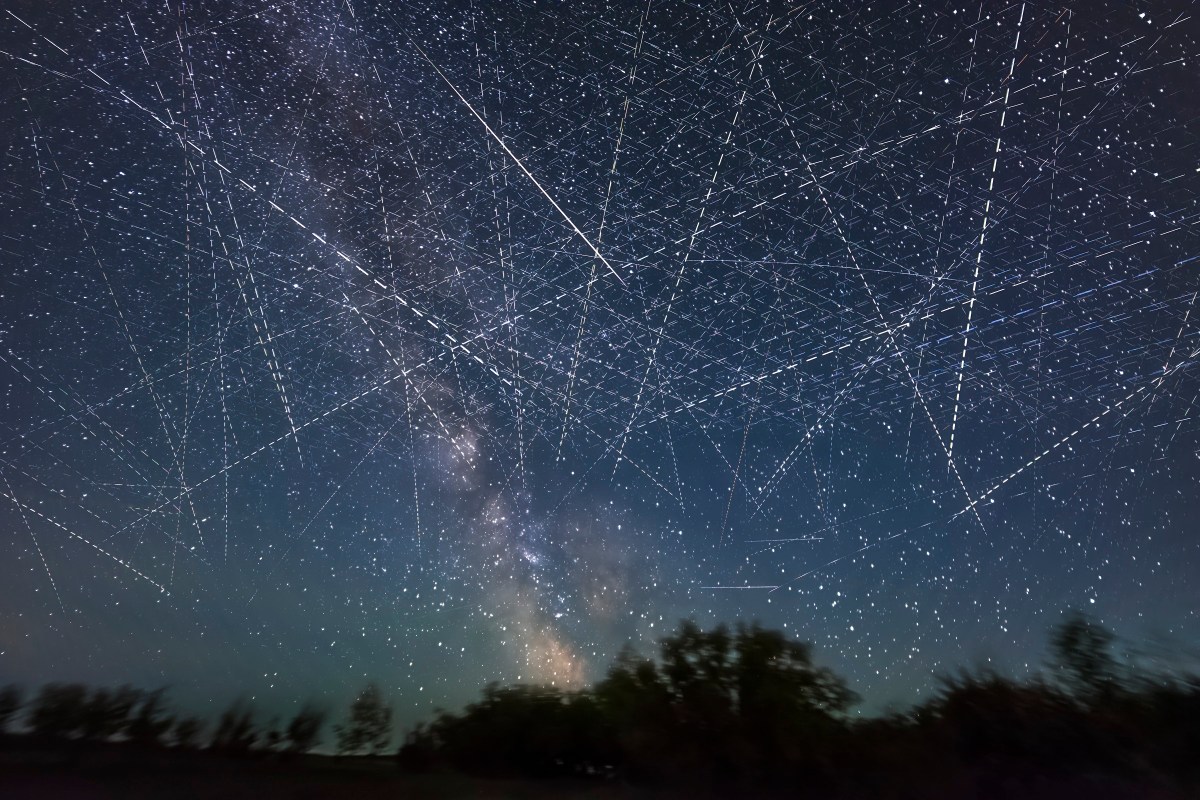
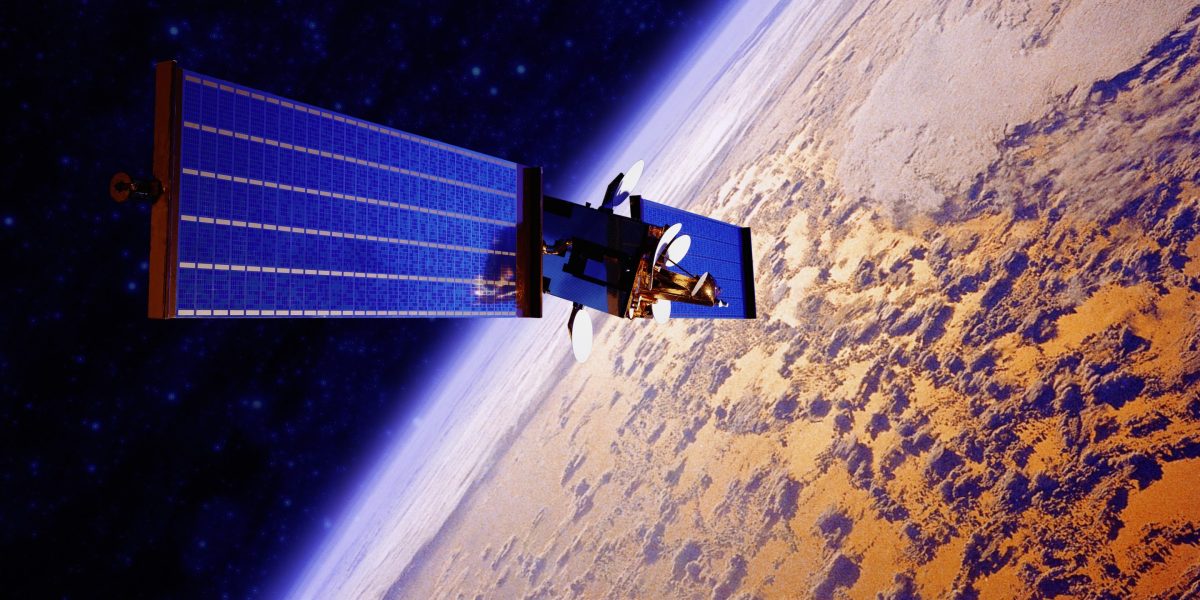
We are firmly in the era of the satellite constellation—groups of dozens of similar satellites—and are currently entering the era of the mega constellation, wherein groups of thousands of satellites swarm the skies. The clusters of satellites started small, but, like a viral outbreak, they grew almost without us noticing—and now we're dealing with a pandemic.
Science
fromWIRED
2 weeks agoThis Is the Worst Thing That Could Happen to the International Space Station
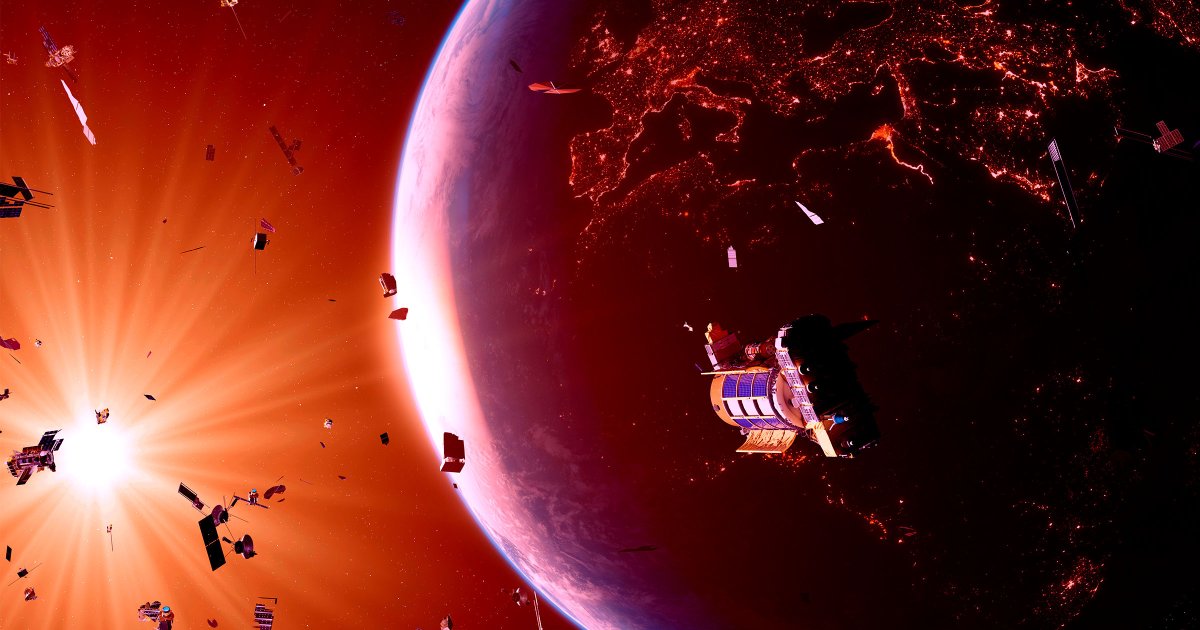
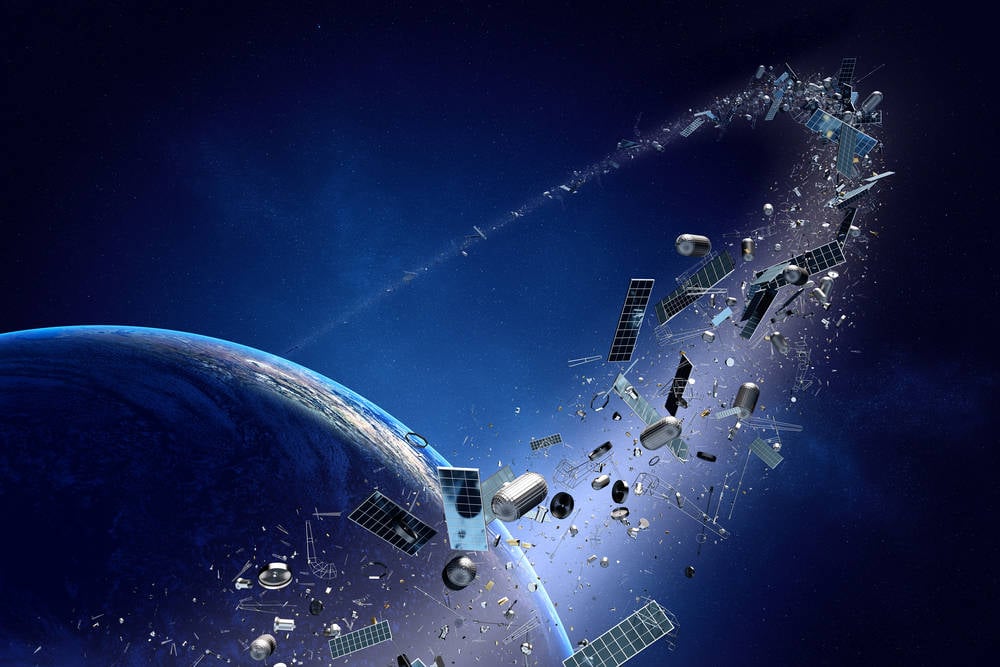
In the vacuum of space, the amount of debris-spent rocket stages, splintered satellites, micrometeoroids- numbers in the millions, all zooming about, often at 17,000 mph speeds. They're also constantly hitting each other in a tsuris of exponential littering. Most of these pieces are tiny, and many are not anywhere near the altitude of the ISS. But the area isn't completely clean.
Science


fromMail Online
1 month agoBritain prepares emergency alert over Chinese rocket falling to Earth
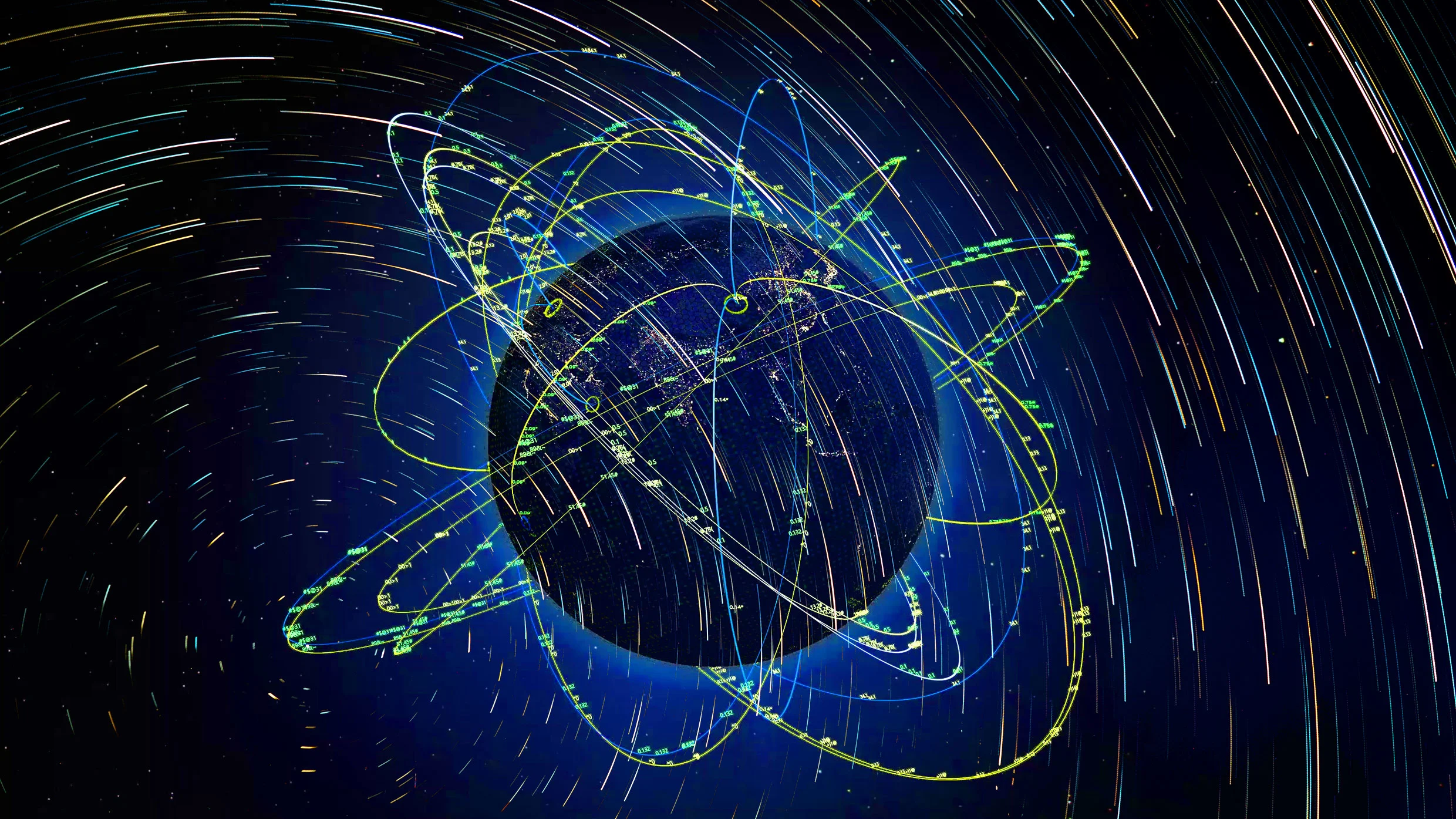
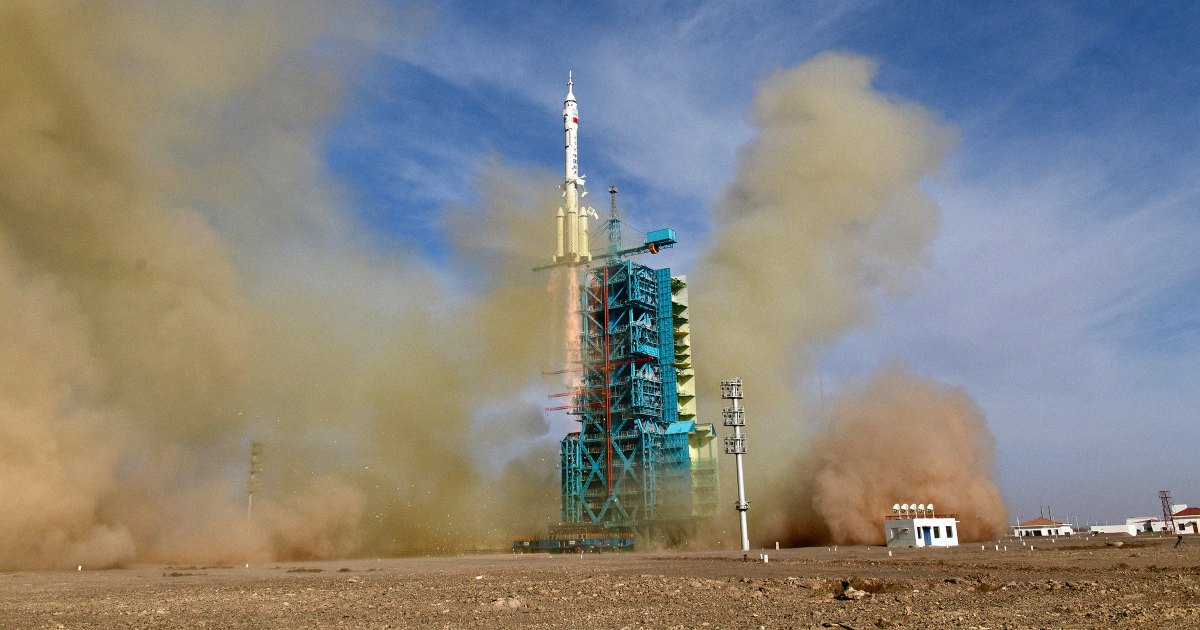
The rocket, a Chinese Zhuque-3, was launched in early December and is now expected to crash into the atmosphere later this afternoon. The UK government has asked mobile network providers to ensure the alert system is operational, in preparation for the possibility of an alert being issued.
UK news







fromwww.dw.com
3 months agoStudent launches startup to tackle space debris crisis DW 11/18/2025
Securing a conversation with Leonidas Askianakis requires foresight. His schedule is carved into 30-minute slots from 5 a.m. until 11 p.m. Meetings are online only, and every one of them revolves around space. Despite the long hours, his calendar is booked weeks ahead. When does he sleep? The 22-year-old student from the Technical University of Munich in Germany shrugs when confronted with the question during a recent interview with DW, saying that he's "on the home stretch" and just can't "set the project aside."
Science
Science
fromwww.scientificamerican.com
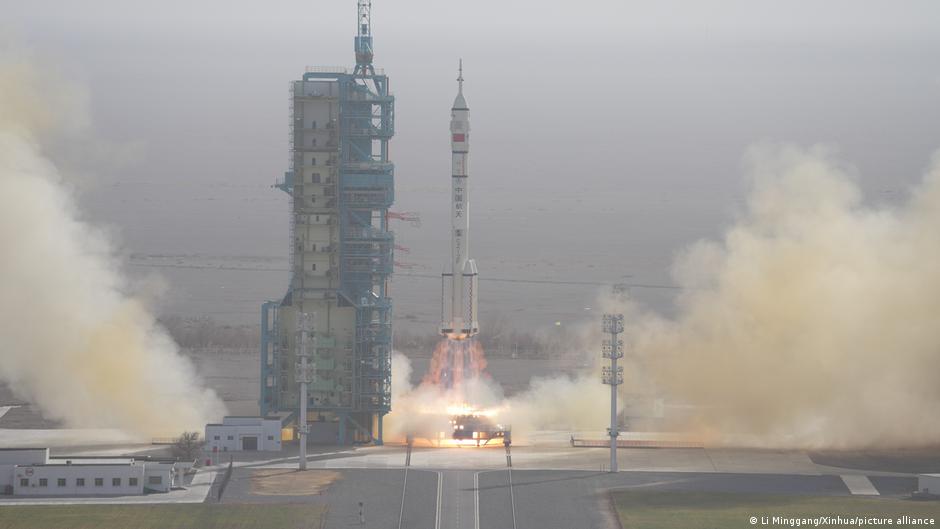
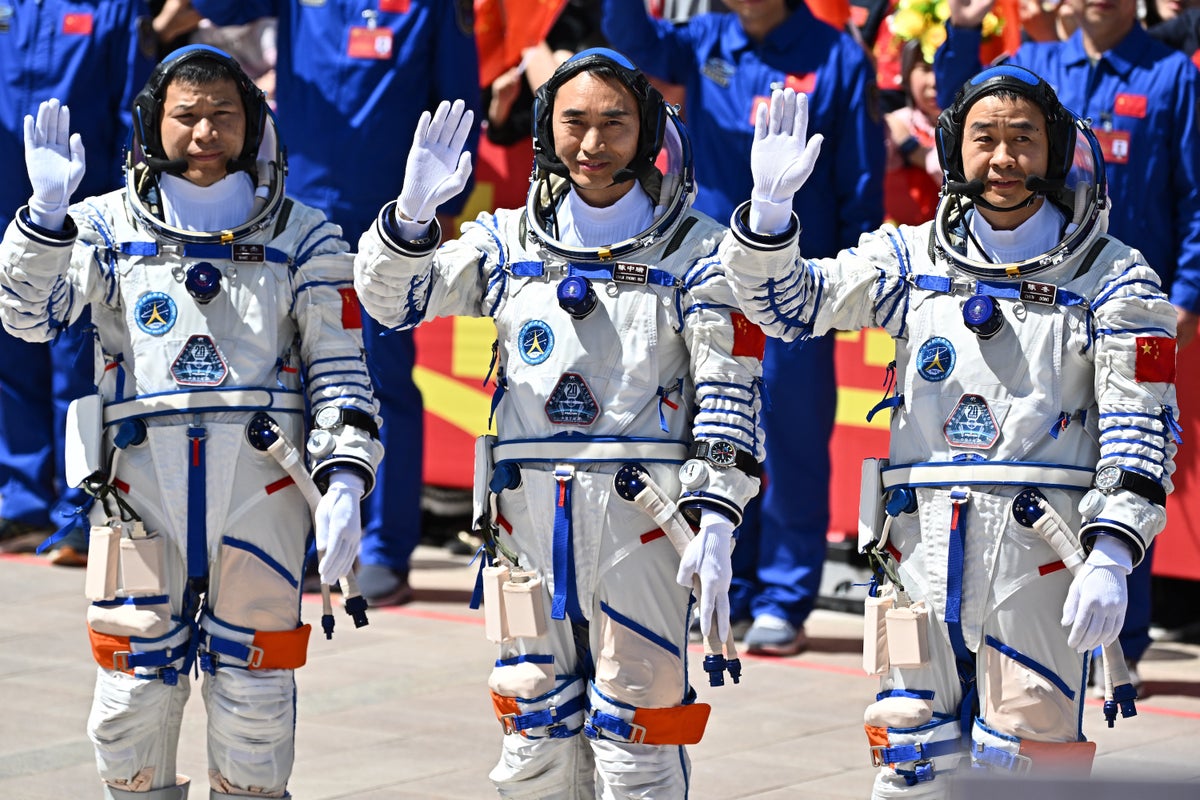
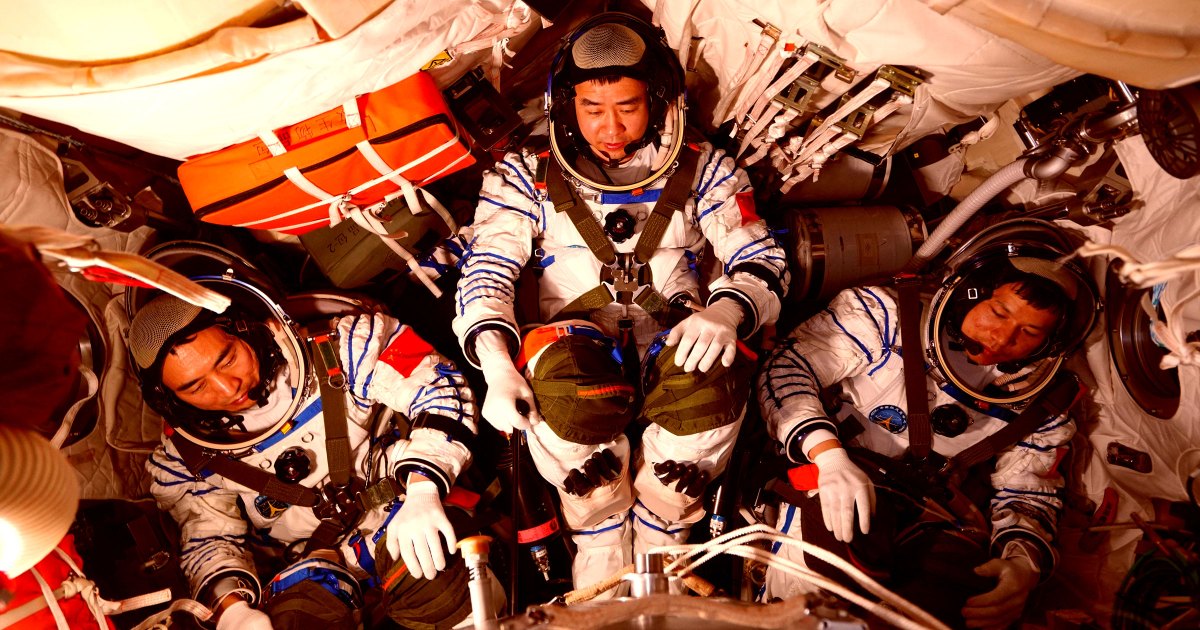
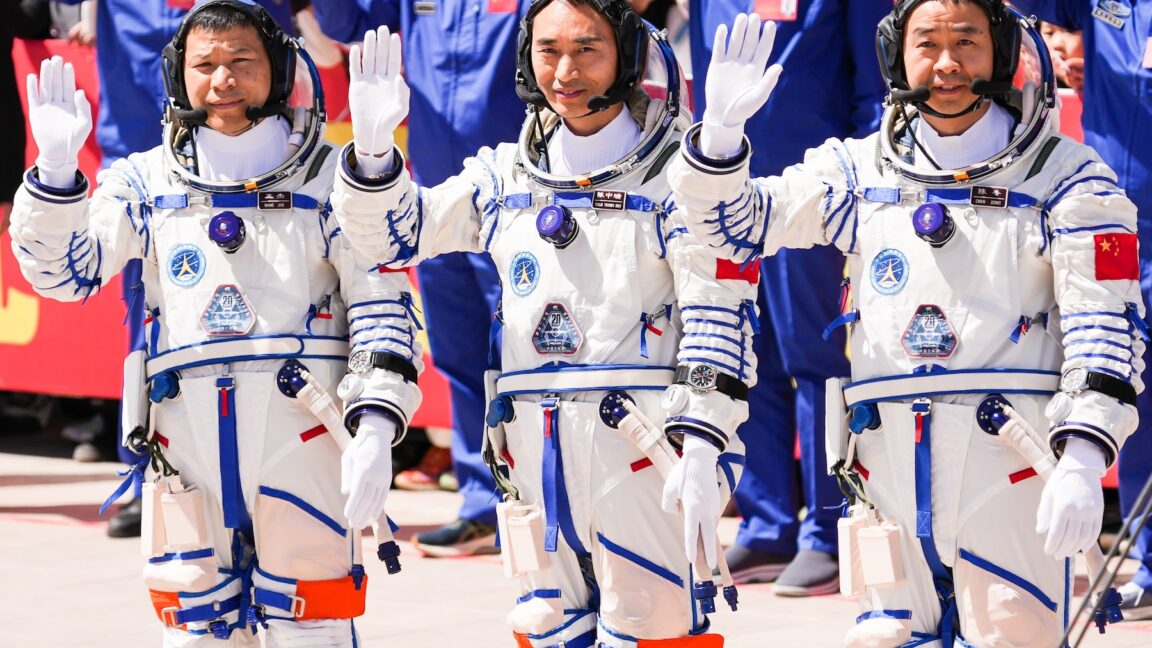
4 months agoA Piece of Space Junk Hit Their Ride Home. What Does This Mean for Space Exploration?
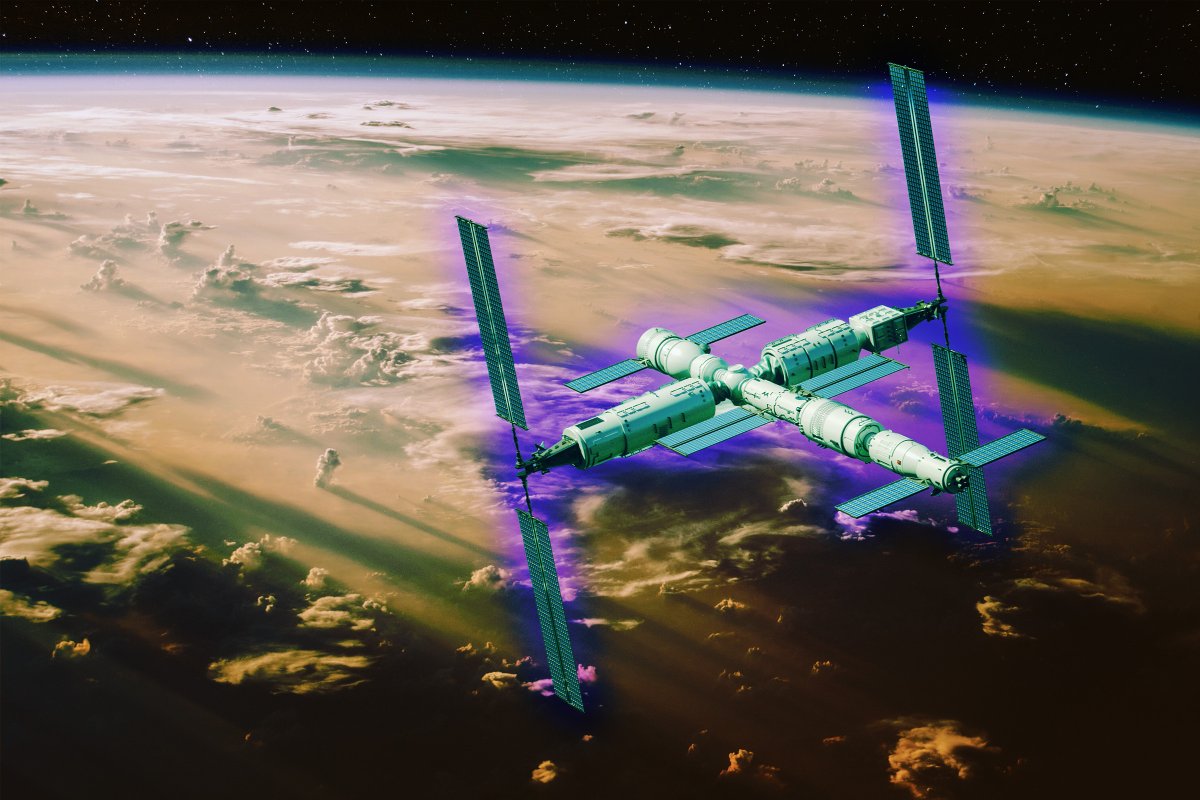
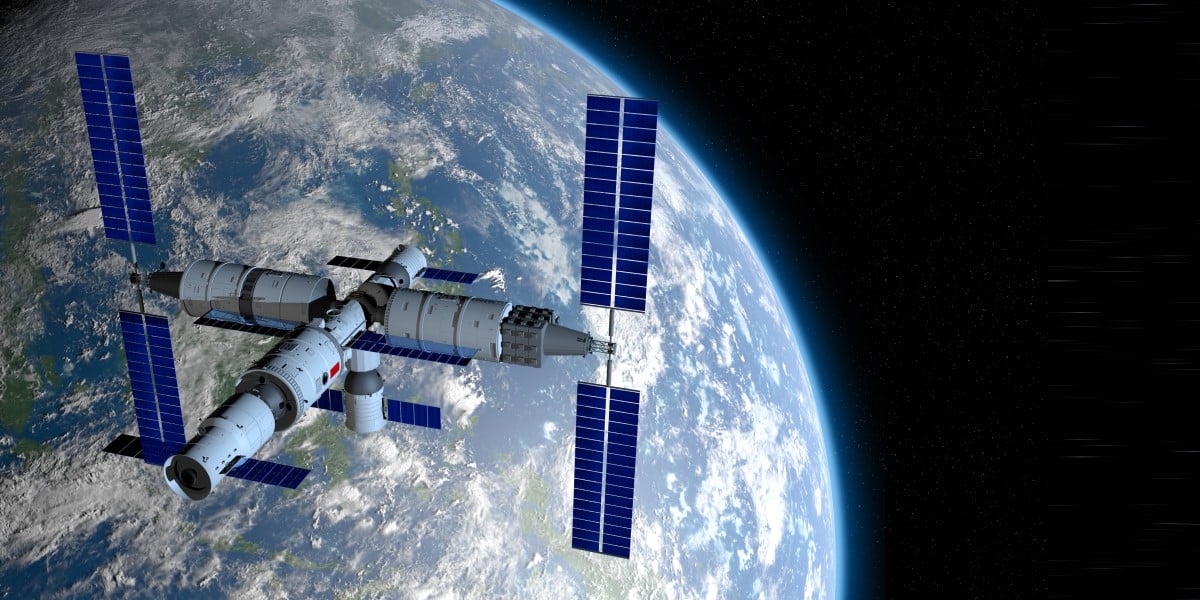
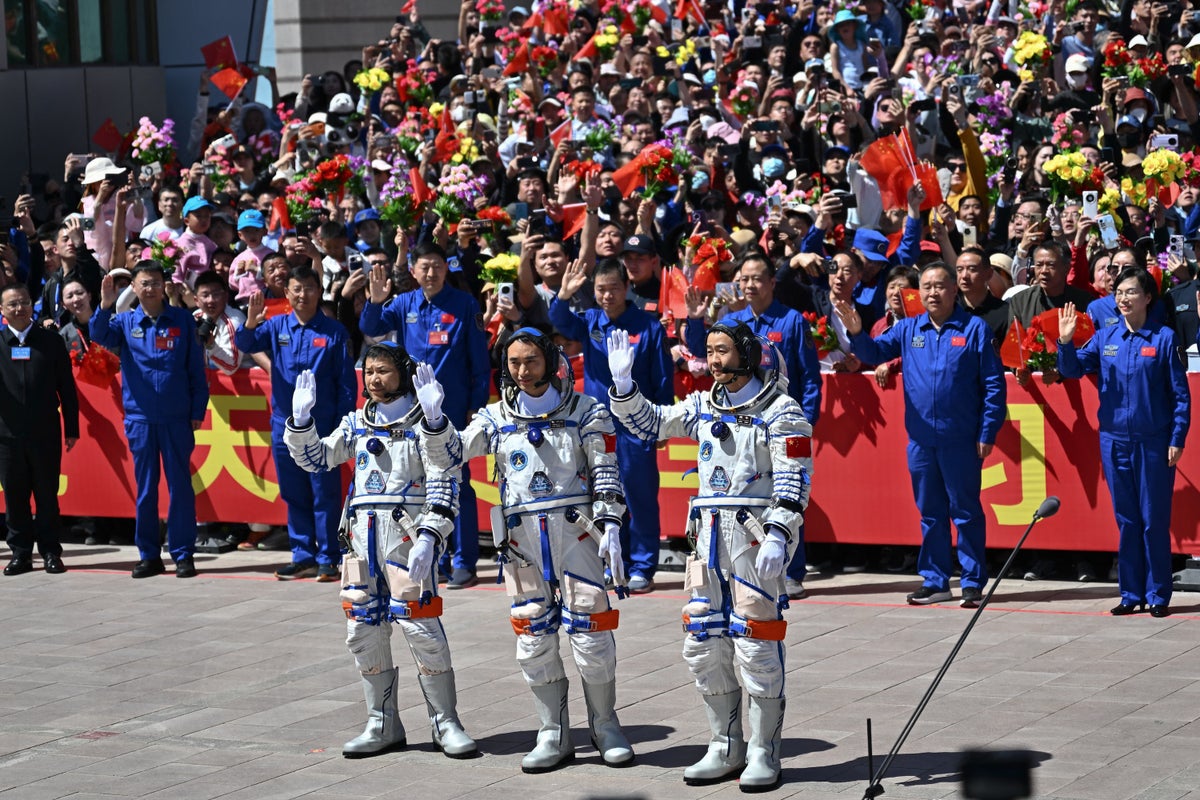
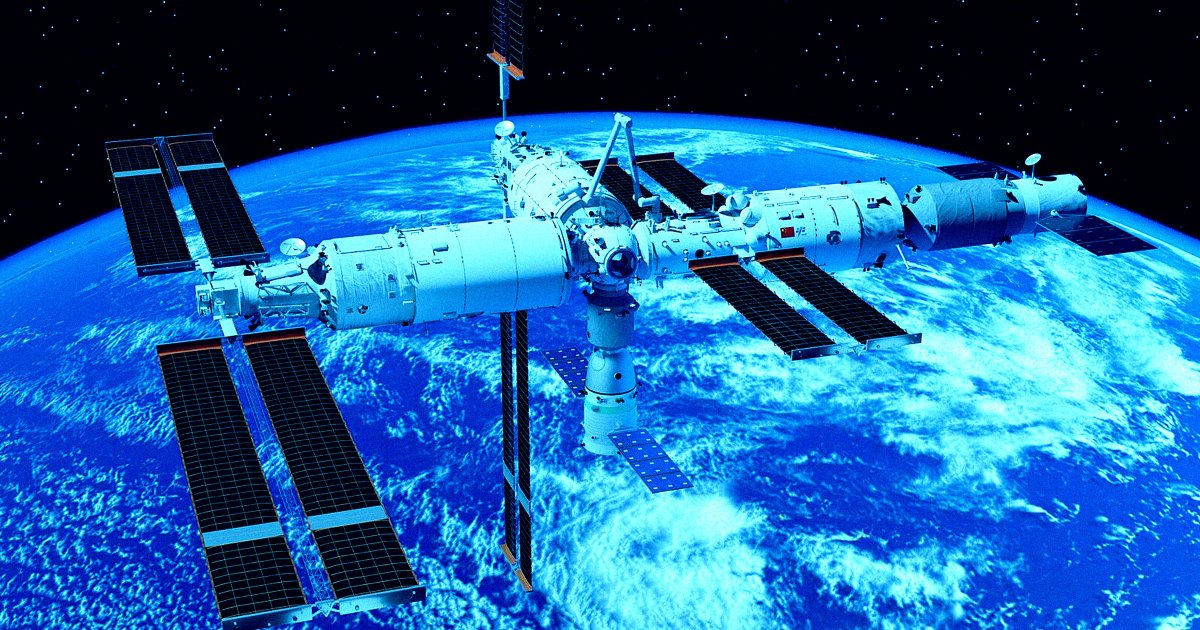
Orbital debris struck Shenzhou 20, delaying astronaut return and illustrating growing collision risk as space junk proliferates from launches, breakups, and collisions.
Science
fromFuturism
4 months agoScientists Find Strange Lights in the Sky in Photographs Before First Satellites Were Launched, Clustered Around When Nuclear Weapons Were Tested
Historical astronomical photographs reveal unexplained, short-lived star-like transients recorded before satellites, with a measurable correlation to mid-20th century nuclear weapons testing.




[ Load more ]