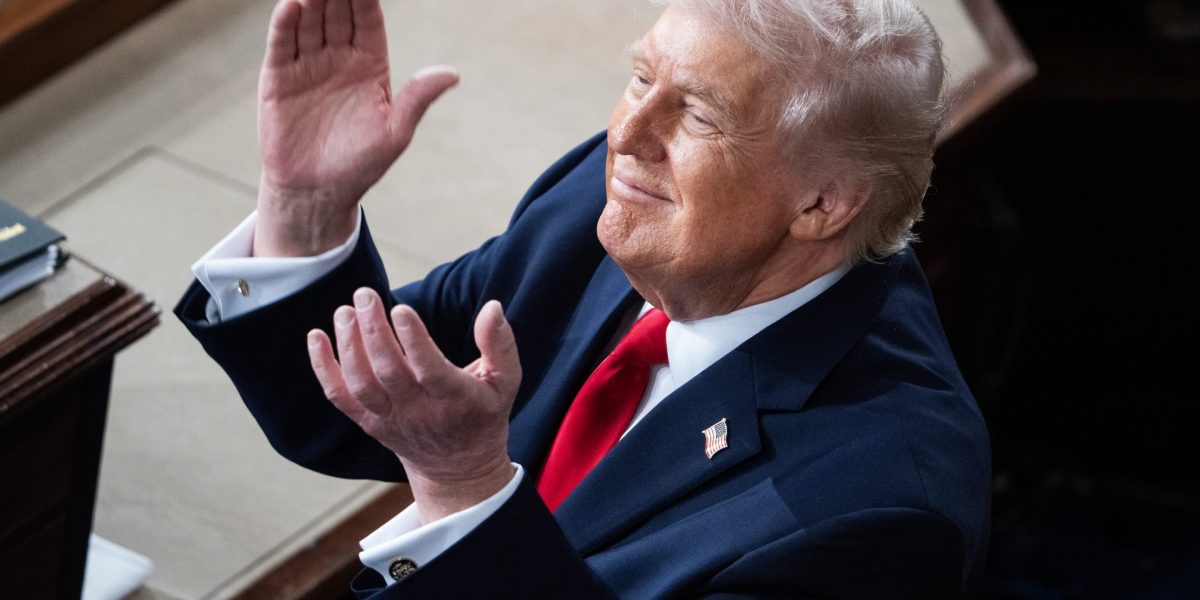
I began the year with a blunt reality check: leadership today is forged in public, under pressure, and in real time. With Donald Trump already installed as US president for his second term, markets have moved faster than at any point in my career, reacting not to speculation but to executive action, rhetoric, and resolve. The first lesson this year has burned itself into my thinking: certainty beats comfort.
Donald Trump has cleared the way for Nvidia to begin selling its powerful AI computer chips to China, marking a win for the chip maker and its CEO Jensen Huang, who has spent months lobbying the White House to open up sales in the country. Before Monday's announcement, the US had prohibited sales of Nvidia's most advanced chips to China over national security concerns.
Brazil's President Luiz Inacio Lula da Silva insisted this week that there are no remaining obstacles to signing the EU-Mercosur trade agreement next month after more than two decades of negotiations. Speaking on the sidelines of the G20 summit in South Africa, Lula said the deal would represent "possibly the largest agreement" in global trade, citing both blocs' nearly 722 million population and $22 trillion in gross domestic product (GDP).
These are trying times for corporations. The marketplace is rife with unpredictability, especially when it comes to economic and trade policy. The 2025 World Economic Forum's Chief Economists Outlook report concluded that "uncertainty has become a defining feature of the global economic landscape," with 82% of chief economists gauging uncertainty as "very high." This year, the Economic Policy Uncertainty Index, which tracks data from around the world, spiked to its highest level in three decades.
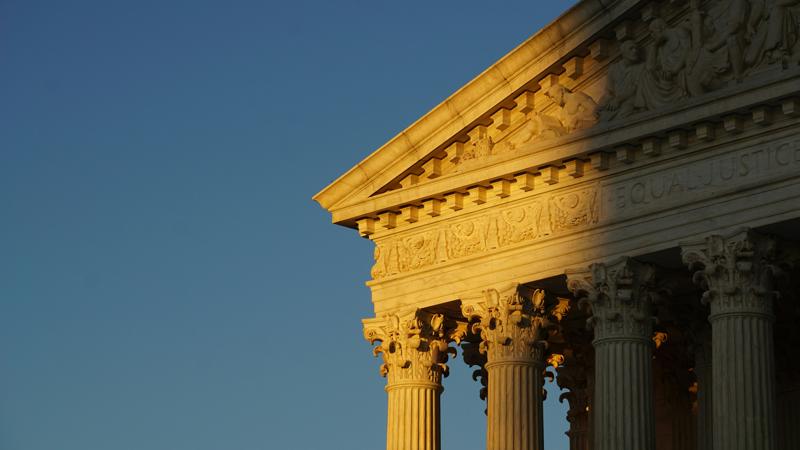
The consolidated cases, Learning Resources v. Trump and Trump v. VOS Selections, challenge Trump's claim that he has the power to issue tariffs under the International Emergency Economic Powers Act of 1977, which permits the president to regulate transactions involving any property in which any foreign country or national thereof has any interest, in order to deal with an unusual and extraordinary threat.
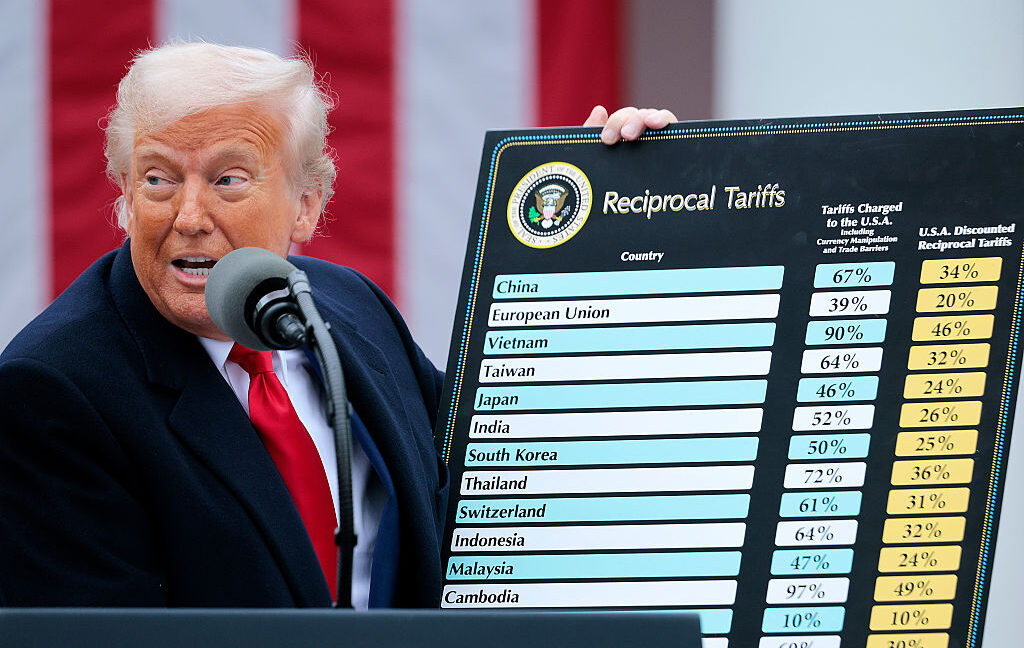
Although the U.S. and China have agreed not to escalate their trade war, Trump's blanket tariffs and the rest of his America First agenda remain in place, and many economists are despairing about the demise of an open trading system that they regard as a key driver of prosperity. But Rodrik, who shot to prominence in the nineteen-nineties as a critic of the untrammelled globalization that helped give Trump his start in Presidential politics, is more upbeat.