#waymo
#waymo
[ follow ]
#autonomous-vehicles #robotaxis #robotaxi #tesla #alphabet #potholes #self-driving-technology #safety
#autonomous-vehicles


Alternative transportation
fromStreetsblog New York City
3 weeks agoWith Waymo Testing Halted, We Have A Rare Chance To Get Ahead of the 'Driverless Revolution' - Streetsblog New York City
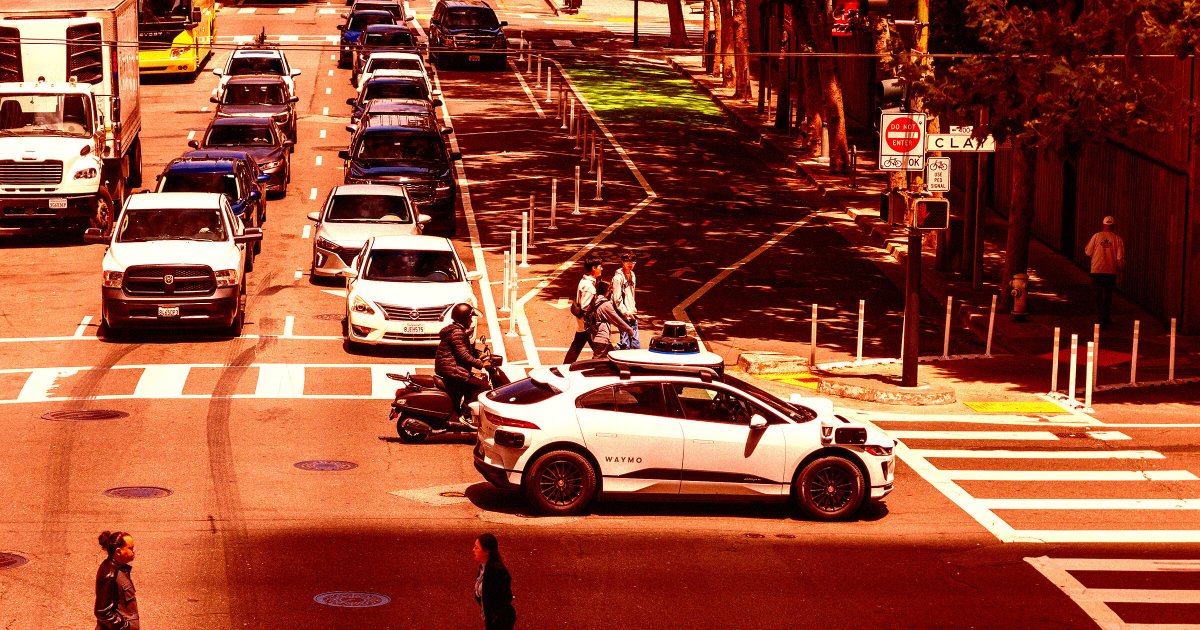
Waymo's testing permit in New York City expired, raising questions about the future of autonomous vehicles in urban environments.
Alternative transportation
fromStreetsblog New York City
3 weeks agoWith Waymo Testing Halted, We Have A Rare Chance To Get Ahead of the 'Driverless Revolution' - Streetsblog New York City
Waymo's testing permit in New York City expired, raising questions about the future of autonomous vehicles in urban environments.



fromStreetsblog New York City
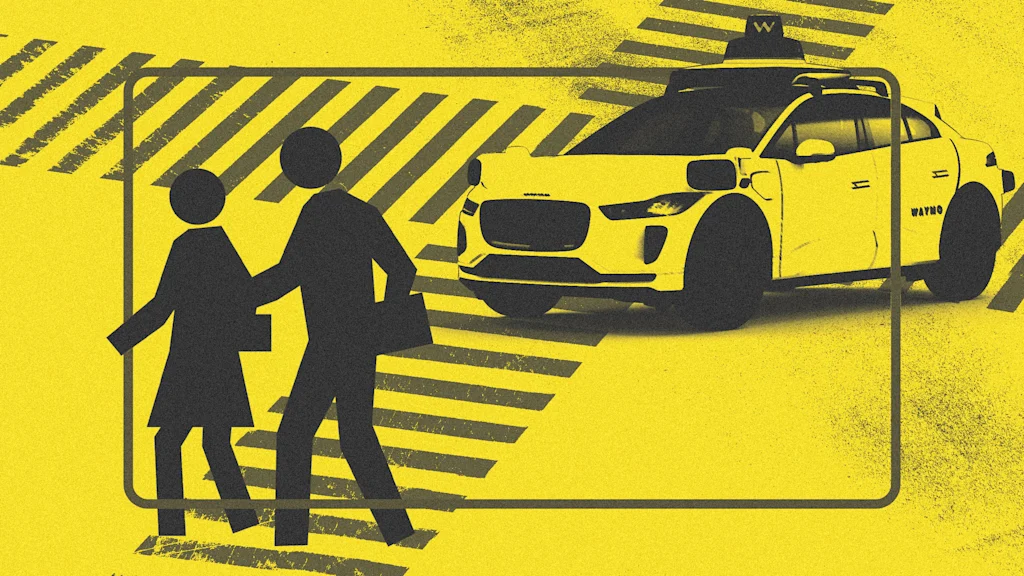
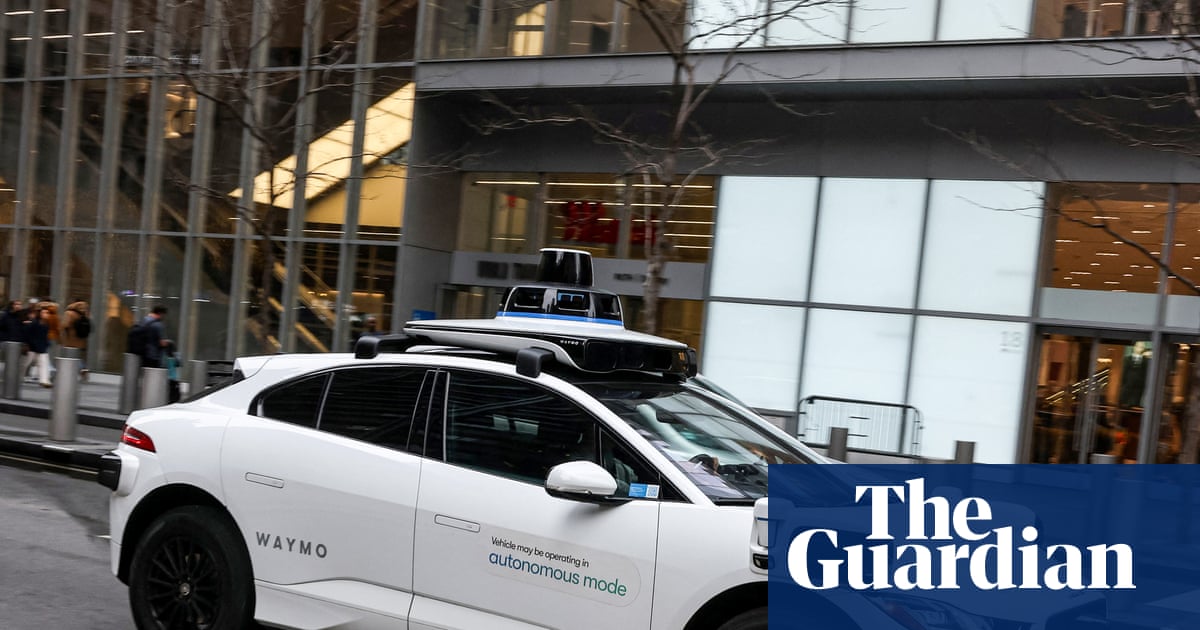
1 week agoWaymo Is Not In The 'Vision Zero' Toolbox: Data - Streetsblog New York City
"If we can get more folks off all the roads and their personal vehicles and use the safer service which our stats show, at least in our service in the cities where we operate, we are contributing to less crashes," Anthony Perez, Waymo's northeast policy manager, stated.
Alternative transportation





#executive-compensation
Tech industry
fromFortune
1 month agoAlphabet CEO Sundar Pichai's new $692 million compensation package hinges on the success of two Google moonshots that aren't making any money | Fortune
Sundar Pichai's $692 million compensation package over three years is contingent on the profitability growth of Alphabet's loss-making subsidiaries Waymo and Wing, with up to $260 million tied to Waymo and $90 million to Wing.
Venture
fromBusiness Insider
1 month agoAlphabet CEO could earn up to $692M under a new equity package that's linked to Waymo for the first time
Alphabet CEO Sundar Pichai receives a $692M equity package with performance metrics tied to Waymo and Wing, signaling these ventures are now core business assets rather than experimental moonshots.



fromwww.standard.co.uk
2 months agoLondon cabbies go to war with driverless cars over electric charging bays
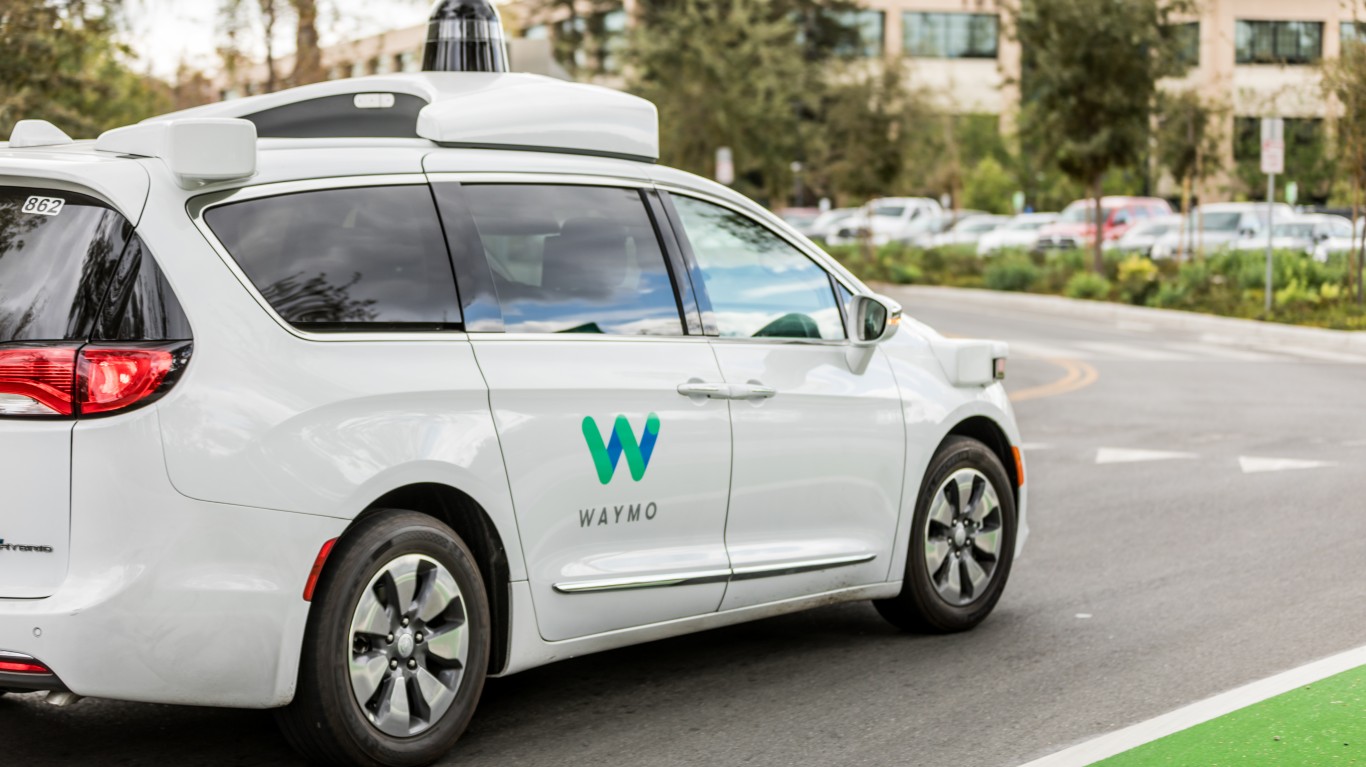
London's taxi drivers have clashed with driverless car firm Waymo after its vehicles were caught hogging electric charging bays meant exclusively for black cabs. Cab groups report numerous instances of Waymo's electric cars plugging in at dedicated e-taxi points, forcing Transport for London to step in. Representatives from the industry say frustrated taxi drivers have taken matters into their own hands by cancelling the robocars' charging sessions.
UK news
fromSFGATE
2 months agoSimple hack for cheaper Ubers, Waymos and Lyfts arrives in Bay Area
"Consumers don't have all the information at once," Griffin Li, the app's 19-year-old creator, told SFGATE. "They have to sort of make suboptimal decisions and spend more money. And this is just a way to help."
Mobile UX
US politics
fromBusiness Insider
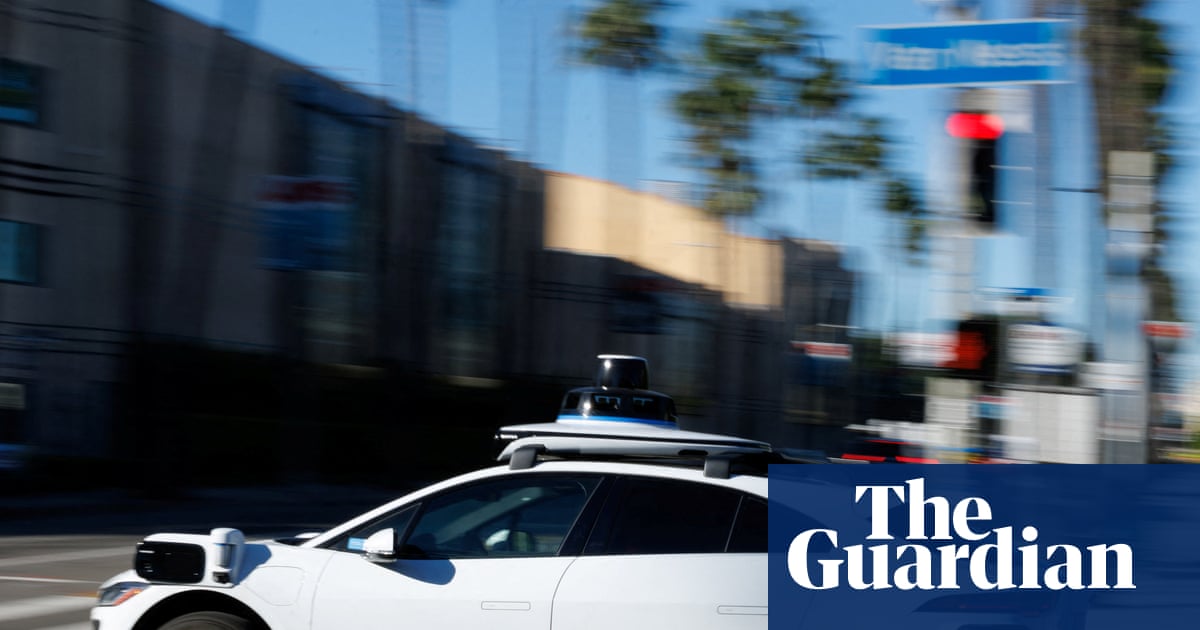
2 months agoWaymo got grilled on Capitol Hill as lawmakers accused it of relying too much on Chinese cars and overseas labor
Waymo was criticized by senators for using Chinese-made vehicles and offshore remote operators despite warning about US competition with China in autonomous vehicles.

[ Load more ]