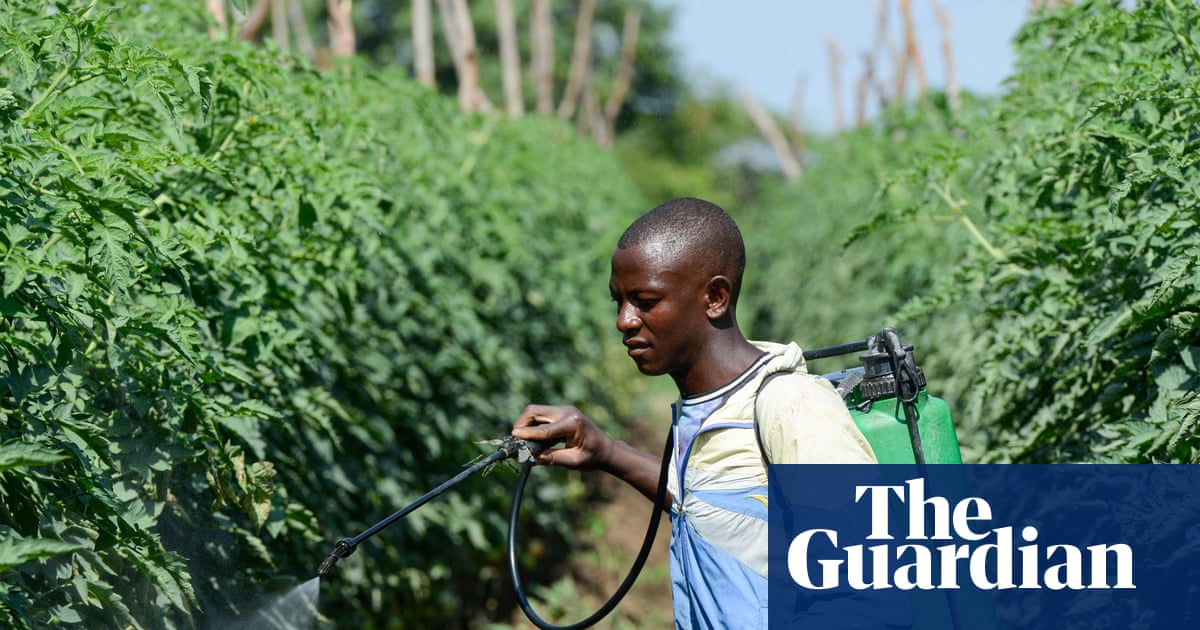
"African countries rank among the most reliant on fertiliser imports by sea from the Middle East. A new report by the UN's trade and development agency (Unctad) says 54% of Sudan's fertiliser arrives in this way. The figures for Somalia and Kenya are 30% and 26% respectively. About one-third of seaborne trade in fertiliser, a vital agricultural input for productivity improvement, is transported through the strait of Hormuz."
"A lot of the world's fertiliser is produced in the Gulf, which has an abundance of cheap fossil gas—critical in the manufacture of nitrogen-based fertilisers such as urea—and produces high amounts of sulphur, a by-product used to make phosphate fertilisers. Fertiliser prices have soared since the war started last month, and Unctad says that may increase food costs and intensify cost-of-living pressures, particularly for the most vulnerable people."
"African economies are highly vulnerable and face heightened uncertainty during big shocks, according to Unctad. Reasons include reliance on foreign markets, volatile commodity exports, high debt and weak infrastructure. Governments across Africa are already struggling with budgetary pressures and are therefore particularly vulnerable to supply chain disruptions."
African countries face severe vulnerability to supply chain disruptions caused by Middle East conflict, particularly regarding fertiliser imports. Sudan, Somalia, and Kenya rely heavily on seaborne fertiliser imports from the Gulf, with 54%, 30%, and 26% respectively arriving by sea through the Strait of Hormuz. Approximately one-third of global seaborne fertiliser trade transits this critical shipping lane. The Gulf produces vast quantities of fertiliser due to abundant cheap fossil gas and sulphur resources. Since the conflict began, fertiliser prices have soared significantly. Rising costs threaten food security and intensify cost-of-living pressures for vulnerable populations. African economies face heightened uncertainty due to reliance on foreign markets, volatile commodity exports, high debt, and weak infrastructure. Governments already struggling with budgetary constraints are particularly susceptible to these disruptions.
#supply-chain-disruption #fertiliser-imports #african-food-security #middle-east-conflict-impact #economic-vulnerability
Read at www.theguardian.com
Unable to calculate read time
Collection
[
|
...
]