Agriculture
fromwww.independent.co.uk
4 hours agoUS-Iran war will cause spike in food prices, NFU chief warns
Middle East conflict threatens significant food price increases, with UK supermarket shelves at risk without sector support.
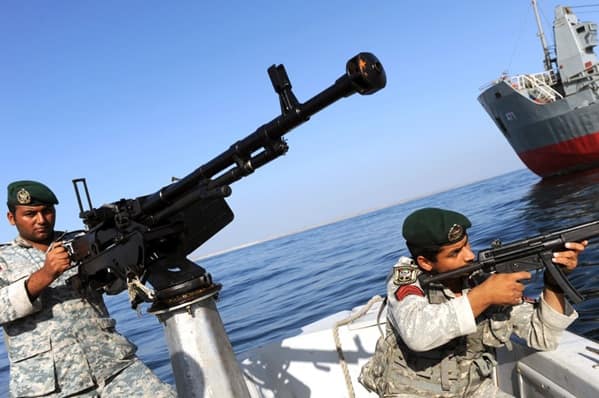
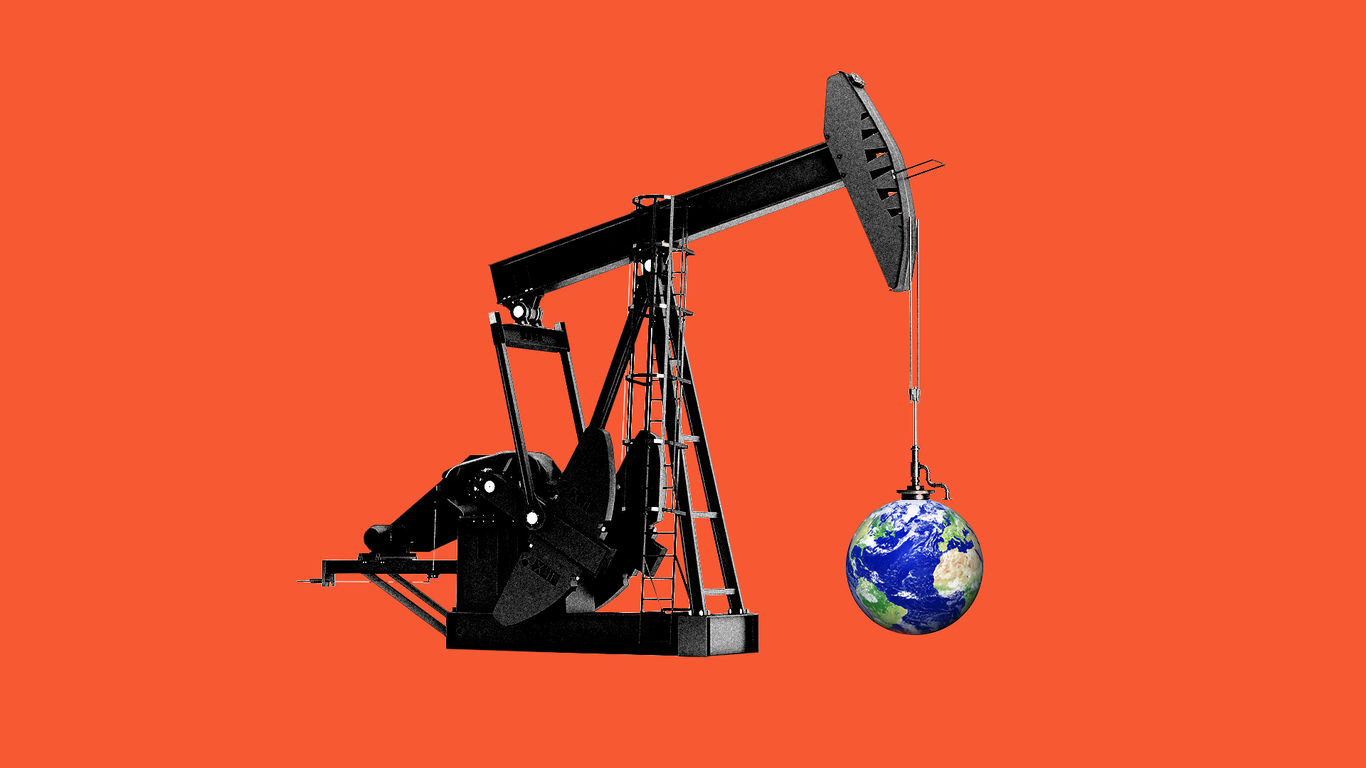
This war may be about ending the Iranian nuclear threat, it is, but it's become a war to ensure the free flow of energy. And at the moment, that war is not going that well. The Fox Business anchor argued President Donald Trump's administration needs to better understand what a pressing issue fuel prices are before it's too late.
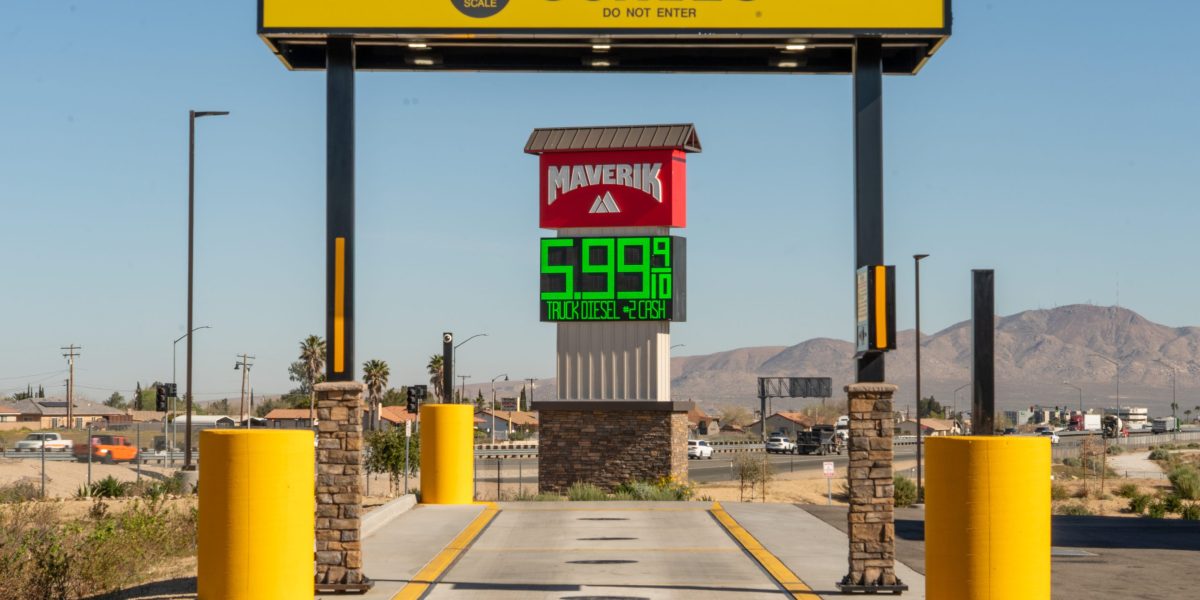
Whether California gets its oil from the Central Valley or Kuwait or Venezuela or other parts of the world, [it] doesn't matter. It still affects the price of gasoline the same because the price of all those oils goes up. The spiraling prices are primarily driven by a surge in global crude oil prices amid the war.
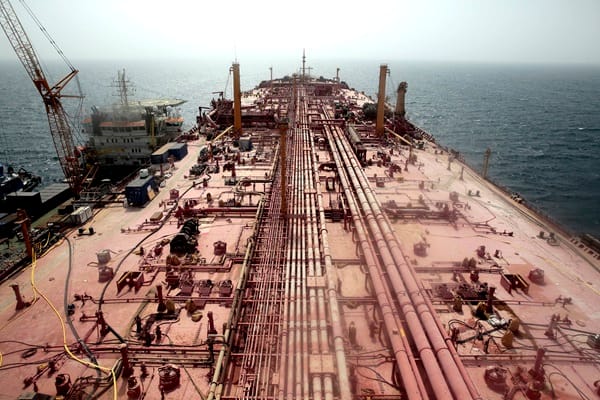
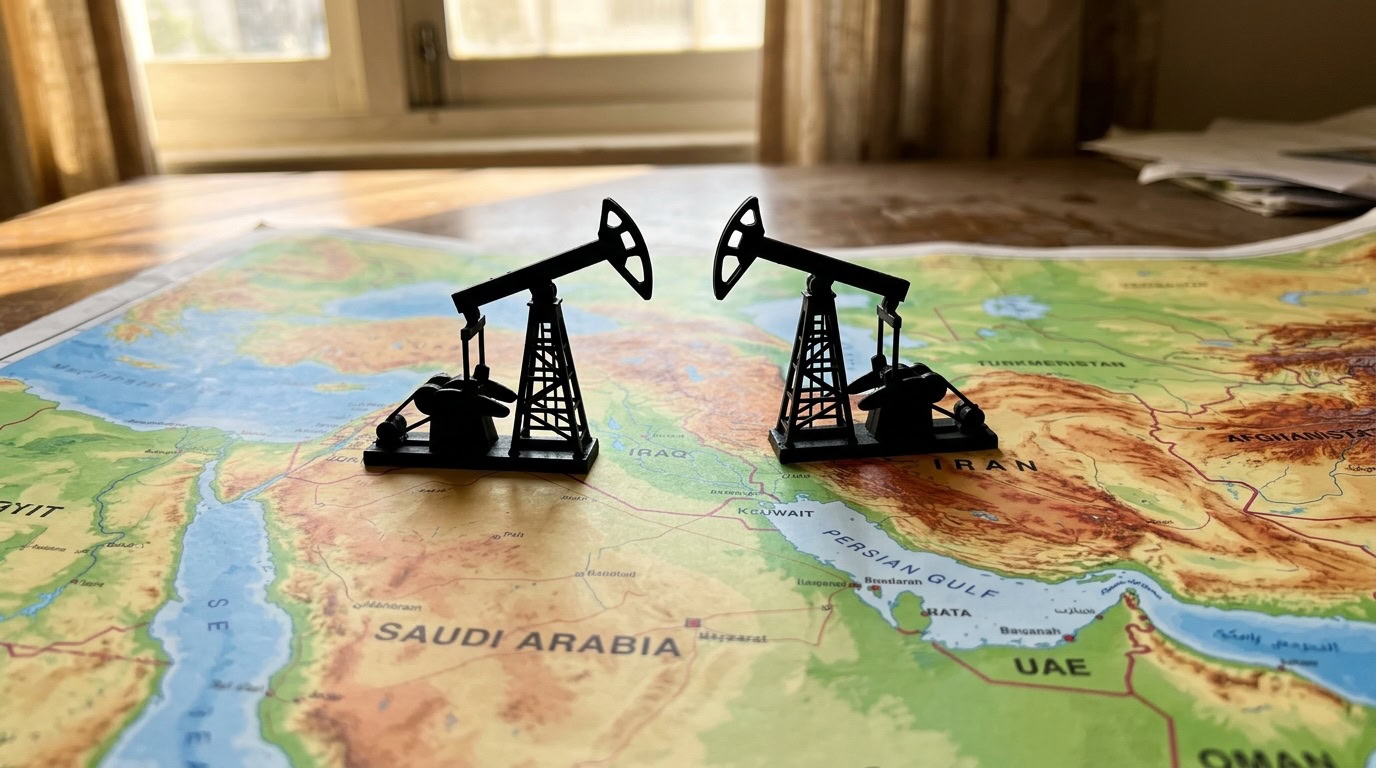
Forecasts that oil will hit $100 barrel happen regularly now because of the war in the Middle East and the shuttering of the Strait of Hormuz through which 20% of the world's oil flows by ship. If 2022, after the start of the Ukraine war, is any indication, $100 brings $5 gas.
Under international humanitarian law, healthcare must be protected and not attacked. At a briefing on Thursday, Tedros Adhanom Ghebreyesus, director general of WHO, said it had verified 13 attacks on health care in Iran and one in Lebanon. Ghebreyesus did not give further details, or attribute blame, but said healthcare must be protected.
Instagram's new 'Shop the Look' feature and recent algorithm shifts highlight the vulnerability of social media reliance, where creators fear brand dilution from automated tags while companies like Oddity faced a massive stock drop due to the instability of rented social spaces.
Trump imposed a 25% tariff on car imports last April, adding export costs to the supercars hand-made in Aston Martin's UK factory. While a subsequent US-UK agreement in May provided some relief for British automakers, there has been fresh uncertainty after Trump introduced a 10% global tariff on exports to the US in response to the Supreme Court ruling against his expansive tariff policy.
and some companies will even die if they can't get the components they need, he agreed, in a televised interview with Ningguan Chen of Taiwanese broadcaster Next TV. While the interview's entirely in Chinese, friends of The Verge stepped forward to confirm parts of a machine-translated summary that's been making headlines. They also note, importantly, that it's the interviewer asking whether companies might shut down or product lines might discontinue. Khein-Seng largely just agreed and clarified that it'll happen if these companies cannot secure enough RAM.
Many French supermarkets have empty shelves in the egg section, with retailers blaming bad weather and bird flu for the shortages. In recent weeks many consumers in France have reported egg shortages, with pictures of empty shelves shared on social media. Retailers say that a long-term problem has been made worse by recent outbreaks of bird flu, coupled with the snowy weather that hit France last week, causing widespread transport disruption.
The shine, however, masks a retailer under pressure. On Friday, Saks named a new CEO, capping a tumultuous 12 months for the heavily leveraged department store owner. After months of restructurings, lawsuits, missed payments, and broken promises, Saks Global is now facing the possibility of a Chapter 11 bankruptcy. What happens next could have consequences for customers. Brands - some of which haven't been paid in full for over a year - have paused shipments to Saks' stores, and creditors are awaiting news of its financial future.
Since returning to the White House in January, President Donald Trump has overturned decades of U.S. trade policy - building a wall of tariffs around what used to be a wide open economy. His double-digit taxes on imports from almost every country have disrupted global commerce and strained the budgets of consumers and businesses worldwide. They have also raised tens of billions of dollars for the U.S. Treasury.
Importers of the prized leaves have watched costs climb, orders stall and margins shrink under the weight of President Donald Trump's tariffs. Now, even after Trump has given them a reprieve, tea traders say it won't immediately undo the damage. "It took a while to work its way through the system, these tariffs, and it will take a while for it to work its way out of the system."
The Dutch manufacturer is facing a crisis following government measures and Chinese export restrictions. The Dutch chip company Nexperia finds itself in a complex situation. On September 30, the Dutch government intervened by taking control of the company. Shortly thereafter, Beijing imposed export restrictions. This disruption is severely affecting the production chain, because although 70 percent of Nexperia's chips are made in Europe, they are packaged and distributed in China.
"The first half of this year was an extraordinary moment in time for M&S. However, the underlying strength of our business and robust financial foundations gave us the resilience to face into the challenge and deal with it. We are now getting back on track,"
Baker & Taylor, one of the nation's largest and longest-serving book and media wholesalers for libraries, recently announced the unexpected closure of its business. B&T has served the nation's library community for nearly 200 years, and the Contra Costa County Library system is just one of many nationwide that have relied on them for decades. The abruptness of this closure presents a significant challenge across the industry.
The US government is reportedly considering new export controls that could block a wide range of products made with US software from being shipped to China, in what could become one of Washington's most sweeping trade measures to date. If implemented, the move could disrupt global technology supply chains and heighten uncertainty for multinational manufacturers that rely on US-developed software across their operations.
CSS Composites, pioneers in greener carbon fiber, utilized its unique FusionFiber technology to offer some form of recyclable carbon to the cycling industry. Revel Bikes adopted the carbon fiber-reinforced thermoplastic manufacturing method early on, utilizing it for their wheels and other experimental purposes. This revolutionary thermoplastic was later offered by other prominent brands, such as Trek Bicycles' in-house brand, Bontrager, along with wheels from Chris King, Evil Bicycles, and others.