Cryptocurrency
fromnews.bitcoin.com
2 days agoTaiwan Lawmaker Calls for Bitcoin Reserve Funded by $602B FX Chest
Taiwan's legislator proposes allocating $2.5 billion of FX reserves into bitcoin to mitigate currency exposure risks.
Dollar weakness matters enormously for emerging market equities because most of these companies earn revenues in local currencies. When the dollar softens, those earnings translate into more dollars for U.S.-based investors, giving the portfolio a currency tailwind on top of any underlying business performance.
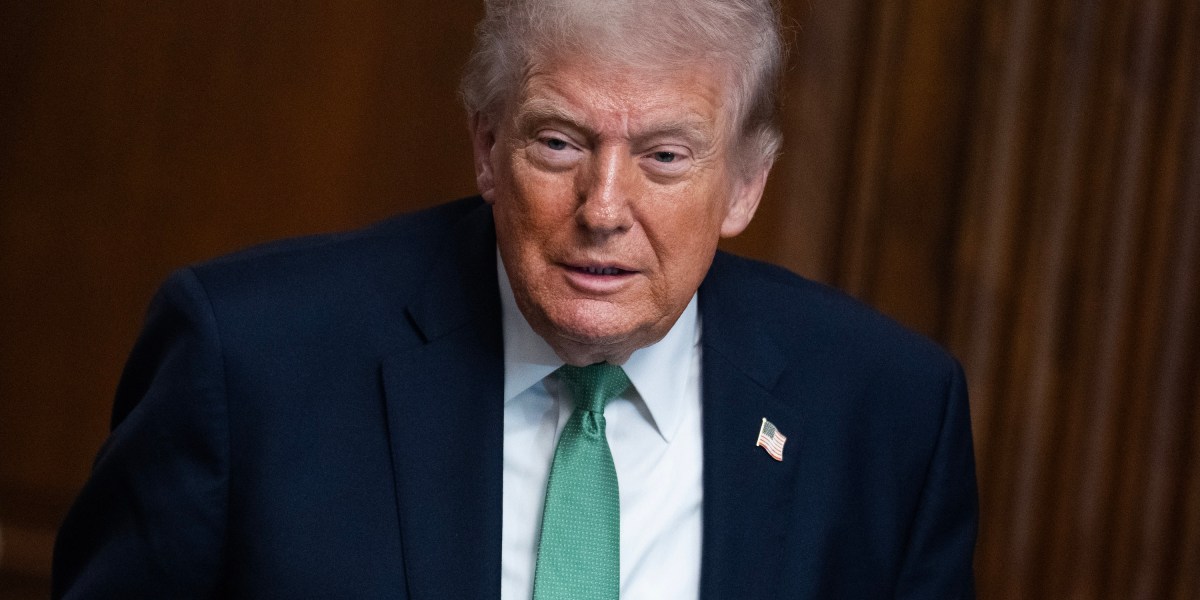
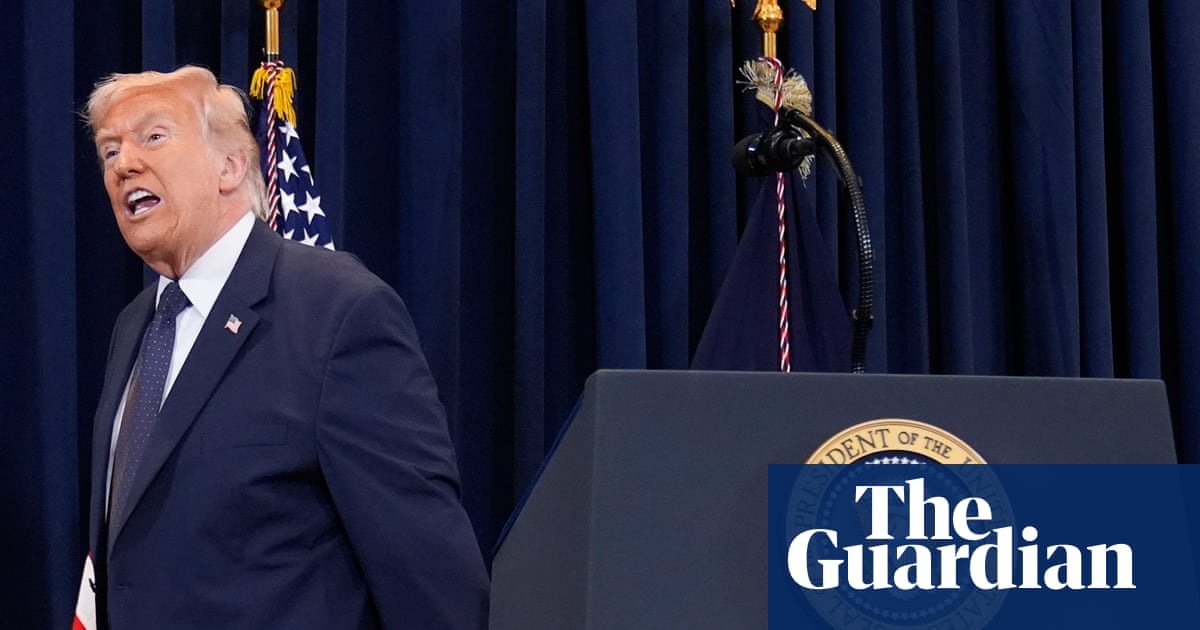
The US dollar returned to the upside as geopolitical fears rebounded after US President Trump's address to the nation. The rhetoric fuelled risk aversion and flows toward the dollar while oil prices surged.
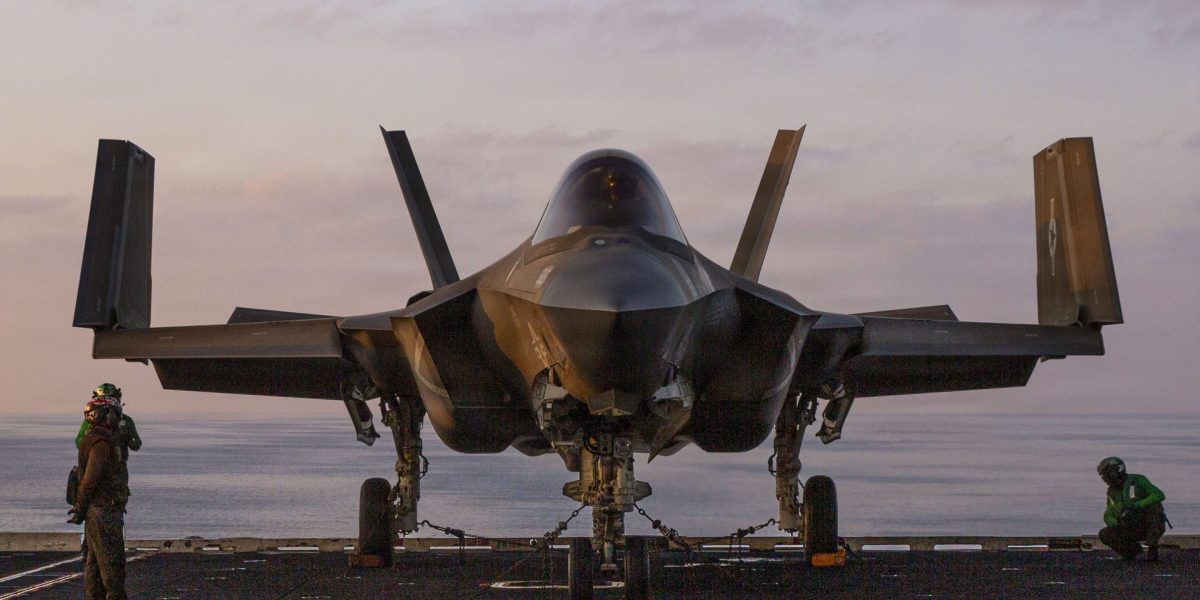
The Islamic Revolutionary Guard Corps (IRGC) has threatened to strike 18 US technology and defense-related companies operating in the Middle East, including GE, which has contributed to a bearish sentiment among investors.
Escalating geopolitical risk continued to dominate global markets' concerns, with safe-haven demand keeping the dollar index anchored near a multi-week high.
The February PAPI declined over the month and is nearly 10% lower than a year ago, reflecting both reduced payments and steady income growth, Edward Seiler said. While affordability conditions remain challenging in many markets, these incremental gains felt across more than half of states are an encouraging sign for prospective buyers, particularly those seeking lower-payment options.
"I think it surprised me how easily people are swayed by headlines," says Suderman, noting that wartime information flows are often strategic and conflicting. "You have to learn in a wartime to take everything with a grain of salt in the context of what you observe."
Rising inflation concerns, hawkish monetary policy signals, and escalating geopolitical tensions weighed on risk assets. Energy markets are adding to the pressure. Oil prices surged following renewed attacks on energy infrastructure in the Middle East, intensifying concerns about inflationary pressure.
The FTSE 100 has made another tentative step in early trade to recover losses sparked by the outbreak of war with Iran. Stocks on Wall Street are also set to resume a rally as investor sentiment recovers. Iraq has clinched a deal with Turkey to resume exports through the port of Ceyhan, instead of using the dangerous Strait of Hormuz. This is leading to hopes that a severe, prolonged oil shock will not materialise, as more crude supplies are able to filter out of the region through other routes.
In the ME-CENTRAL-1 (UAE) Region, two of our three Availability Zones (mec1-az2 and mec1-az3) remain significantly impaired. The third Availability Zone (mec1-az1) continues to operate normally, though some services have experienced indirect impact due to dependencies on the affected zones. In the ME-SOUTH-1 (Bahrain) Region, one facility has been impacted.
The current decline in silver prices is not merely a temporary correction, but a deeper repricing of market expectations regarding the path of U.S. interest rates, which remains the most influential factor in the short term for non-yielding assets.
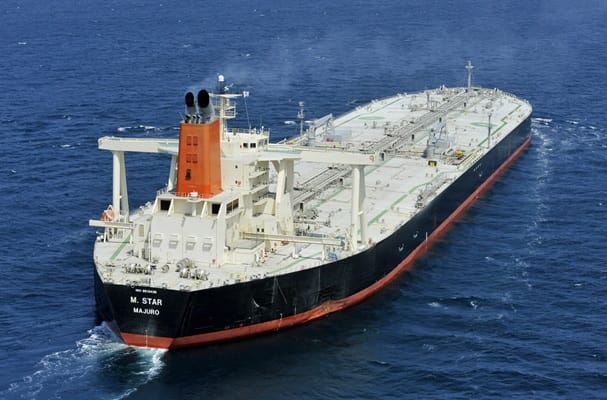
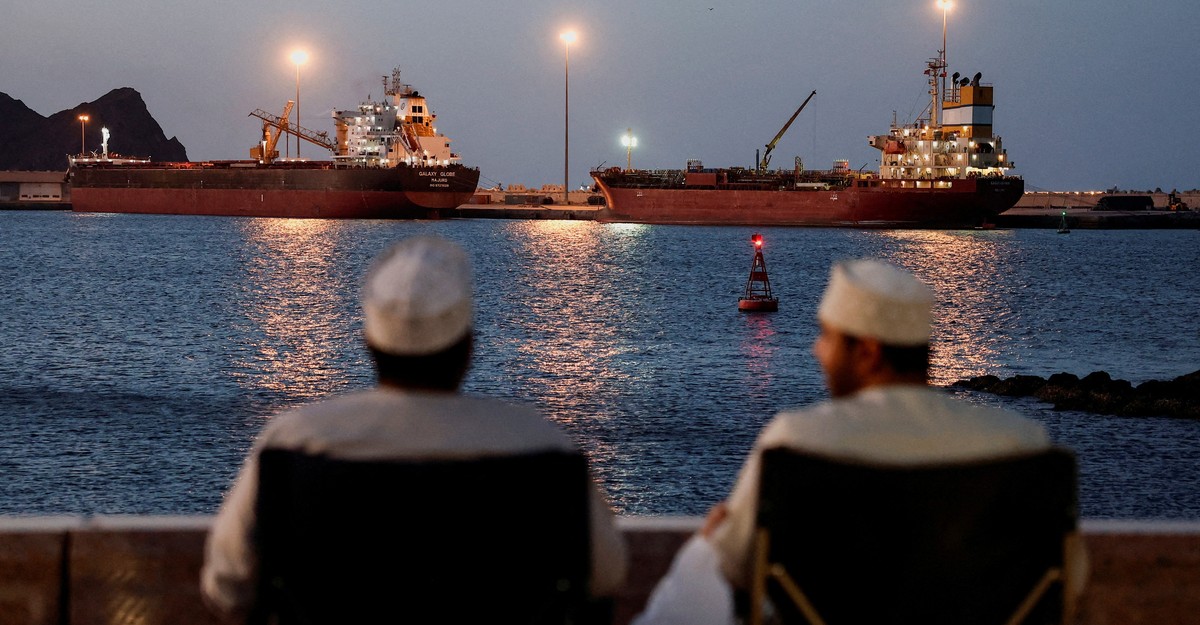
The recent incidents in the Strait of Hormuz show how quickly maritime risk can escalate from geopolitical tension to operational disruption. For shipping operators, the challenge is not only the threat environment itself, but also maintaining reliable situational awareness as navigation signals degrade and vessel activity becomes harder to interpret.
The U.S. Energy Information Administration estimated that, in 2024, over 80% of the crude and LNG that transited Hormuz went to Asian markets. China, India, Japan, and South Korea accounted for nearly 70% of all Hormuz crude flows. Saudi Arabia and the UAE can only send about 2.6 million barrels of crude oil a day through bypass pipelines, not enough to offset the 20 million barrels per day now stuck.
We should try to find the off-ramp. Iran could demolish oil and gas infrastructure across the Middle East, but more alarmingly, it could start targeting desalination plants, which provide water to much of the region, and could lead to an even larger humanitarian crisis.
Bitcoin price rising about 8% since the first strikes against Iran, reaching a one-month high above $73,000. The move placed the digital asset ahead of several traditional safe-haven and risk assets during a period of geopolitical stress.
The sharp decline witnessed in U.S. equity markets signals an important shift in global market sentiment, after the Dow Jones Industrial Average lost more than 700 points to close below the 47,000 level for the first time in 2026. At the same time, both the S&P 500 and Nasdaq Composite also fell to their lowest levels this year.
Oil WTI crude climbed from $71 a barrel on March 2 to $94.65 by March 9 in a single week, after the Strait of Hormuz was effectively closed and Iranian energy infrastructure was struck. Brent briefly touched elevated intraday highs before pulling back when Trump signaled the conflict was winding down.
USDA estimates for major crops were largely unchanged from the previous month, resulting in muted market reactions. For wheat, the USDA maintained its U.S. production, supply, and ending stocks forecasts with no revisions. Global wheat production was adjusted slightly higher, largely due to increased output estimates in Ukraine and Kazakhstan, partially offset by a smaller Australian crop.
KeyBanc lowered its price target to $295 from $330 and kept its Overweight rating after adjusting estimates post-earnings. The firm attributes the target reduction to recent changes to the SCAR program and timing in contract awards. Despite the revision, KeyBanc's broader conviction on AeroVironment is unchanged: the firm maintains that AeroVironment is positioned to capitalize on the proliferation of UAS/cUAS and increased government spending in defense and space-related programs.
Persistent tensions in Eastern Europe and the Middle East sustain the demand for safe-haven assets. However, the surge in oil prices raised concerns about inflationary pressures, pushing up inflation expectations and lifting Treasury yields, which could continue to weigh on gold.
Growth prospects are also weighed down by continuing geopolitical tensions and conflicts. Risks stem in particular from the Russia-Ukraine conflict, the confrontations in the Middle East, as well as growing uncertainties regarding the policy stance of the USA and the global increase of geoeconomic measures, which could further exacerbate geopolitical tensions.
When geopolitical stress spikes, gold and silver are where nervous capital runs. And right now, there's plenty to be nervous about. Geopolitical tensions, including the ongoing Iran war reshaping energy markets, U.S. actions related to Venezuela, and global trade and tariff uncertainty, are pushing investors into gold and silver as stores of value.
Europe had turned its back on a reliable, affordable source of low-emission power. For fossil fuels, we are completely dependent on expensive and volatile imports. They are putting us at a structural disadvantage to other regions.
For cruise lines, fuel is one of the single largest operating expenses. But not all three major operators are equally exposed. Carnival does not hedge its fuel purchases. That means every dollar oil climbs hits Carnival's margins directly, with no buffer. Royal Caribbean and Norwegian Cruise Line both have fuel hedges in place, which is exactly why they are holding up comparatively better today.
For the 25 major episodes going back to 1950, we typically see a decline in the S&P of around 4%. Now, usually after a month, the S&P tends to recover that entire decline. Then he immediately walked it back. The playbook, he said, does not apply here.