#energy-security
#energy-security
[ follow ]
#oil-prices #strait-of-hormuz #gas-prices #strategic-petroleum-reserve #renewable-energy #supply-and-demand
#oil-prices
World news
fromLondon Business News | Londonlovesbusiness.com
1 week agoGovernment working tirelessly to ensure food and fuel crisis is being properly observed - London Business News | Londonlovesbusiness.com
The Government is reassuring the public about oil supply stability amid rising prices due to the Strait of Hormuz closure.
World news
fromLondon Business News | Londonlovesbusiness.com
1 week agoGovernment working tirelessly to ensure food and fuel crisis is being properly observed - London Business News | Londonlovesbusiness.com
The Government is reassuring the public about oil supply stability amid rising prices due to the Strait of Hormuz closure.
World politics
fromFortune
2 days agoThe Iran war has turned the world's shipping straits into a chessboard-and the U.S. aims to box out China from the Panama Canal to the Malacca Strait | Fortune
The U.S. and Iran's stalemate in the Strait of Hormuz is part of a broader geopolitical struggle against China.
fromTNW | Au
3 days agoAustralia bets $22.7B on renewables after Hormuz crisis exposes developed world's worst fuel vulnerability
Australia imports roughly 80 per cent of its refined fuel and holds the lowest fuel reserves of any member of the International Energy Agency, with only 36 days of petrol and 29 days of jet fuel. This situation was starkly highlighted when the Strait of Hormuz was closed, leading to a surge in Brent crude prices and exposing the existential nature of Australia's energy crisis.
Environment

fromFortune
1 week agoFortune
Chris Ong, Seatrium's CEO, sees the Iran conflict sharpening what specialists call the energy trilemma, or the trade-off between energy security, affordable supply, and environmental sustainability. "The situation is now even worse because of the destruction of supply, which is still not fully priced in," Ong says. "People don't understand; they have been swung between different stories every day."
Toronto startup
World news
fromFortune
1 week agoHalliburton CEO: U.S. oil rebound enters 'early innings' as Iran war triggers 'long-lasting' global push for energy outside the Middle East | Fortune
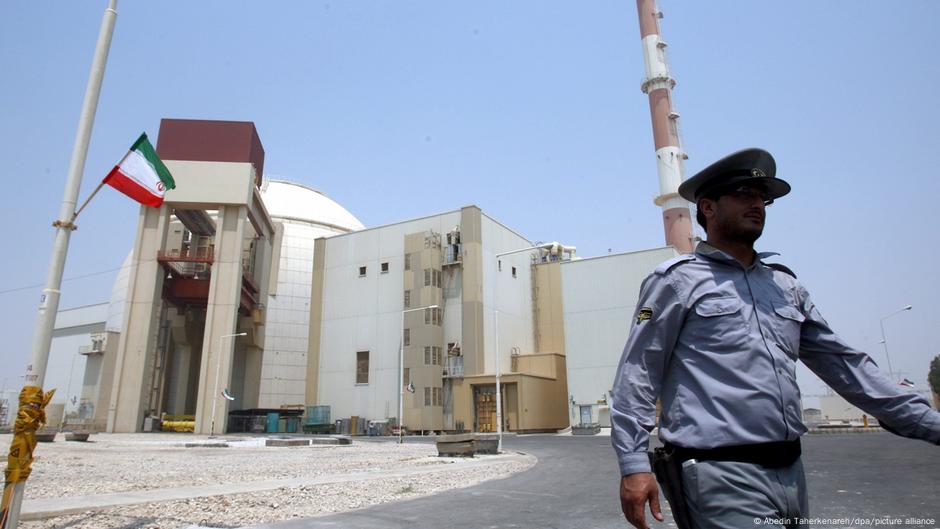
The U.S. oil sector is rebounding, driven by energy security concerns and increased production amid geopolitical tensions.


#nuclear-energy
UK politics
fromLondon Business News | Londonlovesbusiness.com
3 weeks agoReeves hails mini nuclear deal as UK seeks energy security amid global turmoil - London Business News | Londonlovesbusiness.com
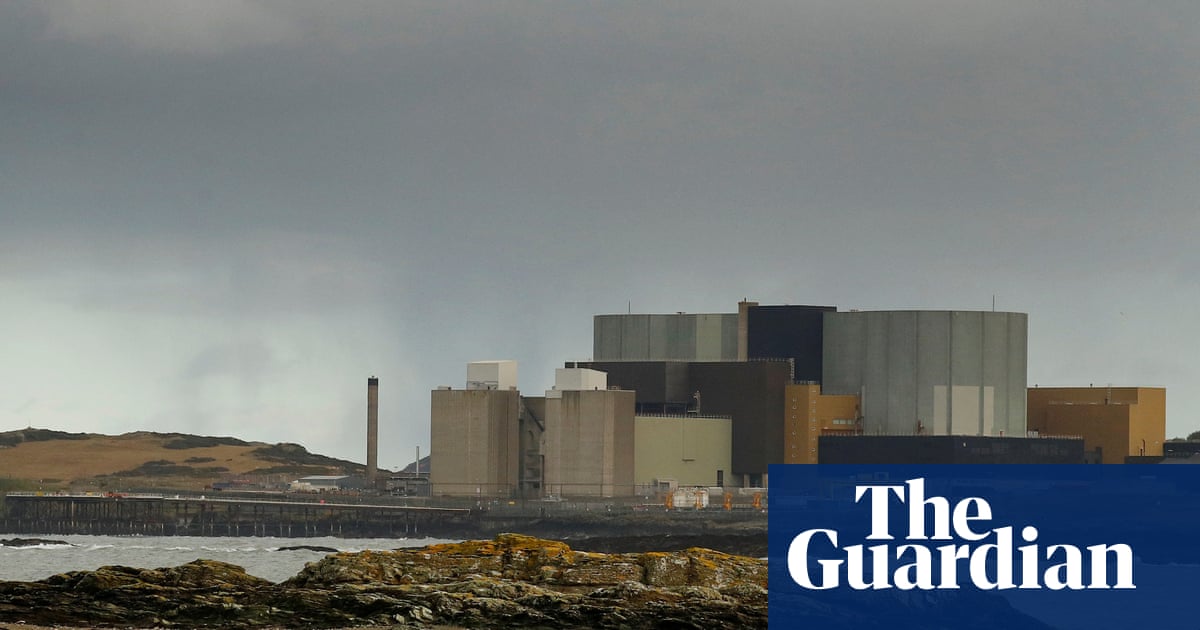
Accelerating the development of small modular nuclear reactors is crucial for Britain's energy security amid global market instability.
UK politics
fromLondon Business News | Londonlovesbusiness.com
3 weeks agoReeves hails mini nuclear deal as UK seeks energy security amid global turmoil - London Business News | Londonlovesbusiness.com
Accelerating the development of small modular nuclear reactors is crucial for Britain's energy security amid global market instability.
World politics
fromLondon Business News | Londonlovesbusiness.com
3 weeks agoFears of Gulf escalation grows as US Hormuz blockade raises risk of wider conflict
Potential military escalation in the Gulf could disrupt shipping through the Strait of Hormuz, impacting global energy markets and increasing inflation.

#energy-transition
World politics
fromLondon Business News | Londonlovesbusiness.com
3 weeks agoMiddle East energy shock could reshape global system by 2050 - London Business News | Londonlovesbusiness.com
Prolonged disruption to Middle East energy supplies could halve oil and gas import dependence by 2050, shifting demand towards electrification and renewables.
Environment
fromFortune
1 month agoCountries are turning to 'structurally more resilient' energy sources as oil and gas crisis deepens, UN renewables chief says | Fortune
The energy transition is accelerating, with renewables now comprising 49.4% of global energy capacity, driven by geopolitical factors and decreasing costs.

UK politics
fromLondon Business News | Londonlovesbusiness.com
3 weeks agoUnions warn of election cost as Labour faces backlash over North Sea drilling - London Business News | Londonlovesbusiness.com
Labour risks electoral losses over refusal to support new North Sea drilling amid rising energy costs and internal party criticism.

World politics
fromwww.theguardian.com
1 month agoA third inflationary shock in less than a decade is coming: who will pay the price this time around? | Aditya Chakrabortty
Daniel Yergin highlights the vulnerability of global oil supplies through the Strait of Hormuz and the consequences of military actions against Iran.
#us-iran-conflict

World politics
fromwww.theguardian.com
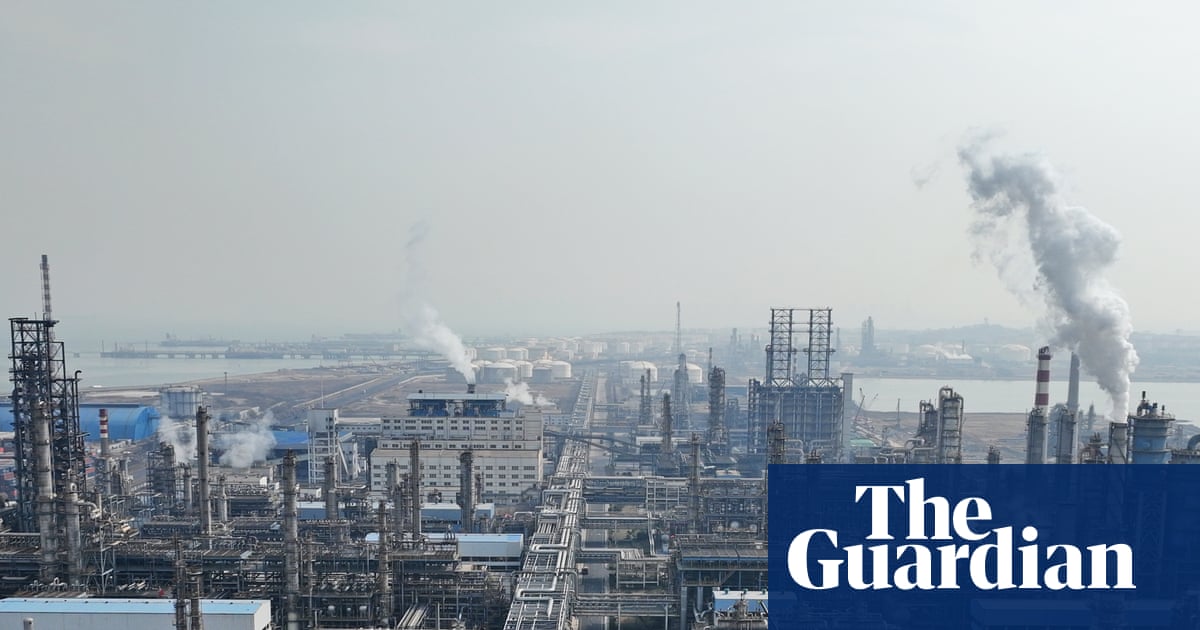
1 month agoThe Guardian view on the Iran war escalation: as Trump breaks things, who will pick up the pieces? | Editorial
US-Israel military escalation against Iran, including attacks on critical infrastructure like the South Pars gasfield, has triggered Iranian retaliation and threatens global energy supplies and regional stability.

fromLondon Business News | Londonlovesbusiness.com
1 month agoGovernment urged to drill in the North Sea to boost oil and gas production - London Business News | Londonlovesbusiness.com
OEUK highlighted that natural gas extracted from the North Sea has a significantly lower emissions footprint compared to imported liquefied natural gas (LNG), which often involves more environmentally taxing transportation and processing methods.
Environment
fromLondon Business News | Londonlovesbusiness.com
1 month agoStarmer warns Brits against 'false comfort' as Iran crisis continues - London Business News | Londonlovesbusiness.com
I don't want to raise levels of public anxiety. They are anxious about what they're already seeing on their television screens. They're anxious about the impact it will have on them, particularly economically, in their households.
World news
SF politics
fromThe Nation
1 month agoTrump's Plan for "Energy Dominance" in Alaska Is a Pipe Dream
Alaska's Railbelt faces natural gas shortages by 2027, prompting renewed efforts to build an 807-mile liquified natural gas pipeline from the North Slope to Kenai Peninsula, though the $44 billion project lacks committed buyers and faces skepticism from both supporters and critics.
World news
fromwww.independent.co.uk
1 month agoBritish military experts sent to US to plan reopening of Strait of Hormuz
British military officers deployed to US Central Command to assist with planning operations to reopen the Strait of Hormuz following Middle East attacks that caused oil prices to spike above $114 per barrel.
World news
fromwww.npr.org
1 month agoIsrael and Iran attack gas facilities. And, Cesar Chavez accused of sexual abuse, rape
Iran launched coordinated attacks on energy infrastructure in Qatar, UAE, and Saudi Arabia following Israel's strike on Iran's gas field, causing oil prices to surge to $110 per barrel and threatening global energy security.
fromLondon Business News | Londonlovesbusiness.com
1 month agoGas Prices Surge by Almost 25% Due to Attacks - London Business News | Londonlovesbusiness.com
When trading opened on Thursday, prices spiked to 174p, marking a 24% increase, before easing slightly to 169p as of 8 AM GMT. In recent days, natural gas futures, which are contracts for purchasing the commodity in the coming months, have been trading between 125p and 132p per therm (a unit of heat energy).
Europe news
[ Load more ]