#us-iran-conflict
#us-iran-conflict
[ follow ]
#oil-prices
Europe news
fromLondon Business News | Londonlovesbusiness.com
1 month agoFrom battlefield to the forecourt, Trump's war on Iran is driving fuel prices sky high
The U.S.-Iran conflict is driving up oil prices, pushing motorists towards electric vehicles and impacting various sectors due to rising fuel costs.
Europe news
fromLondon Business News | Londonlovesbusiness.com
1 month agoOil prices retreat as Trump announces pause on Iran strikes - London Business News | Londonlovesbusiness.com
Global oil prices fell significantly after the postponement of U.S. strikes on Iran, reflecting hopes for de-escalation in the conflict.
fromwww.businessinsider.com
5 days agoUS gas prices surge to over $4.22 a gallon, the highest in 4 years
Ongoing supply disruptions and fears that the situation will worsen are driving Brent and WTI prices ever higher. Expectations for when oil supplies will return to normal have been pushed back, raising the risk that higher gas prices could stick around longer than expected.
World news
from24/7 Wall St.
6 days agoGoldman Just Raised Its Brent Forecast to $90: 5 Energy Stocks Built for Higher Oil
Goldman Sachs raised its Q4 2026 Brent crude forecast to $90 per barrel, citing extreme inventory draws from the prolonged closure of the Strait of Hormuz tied to the ongoing US-Iran conflict.
Business
#military-strategy



World politics
fromwww.theguardian.com
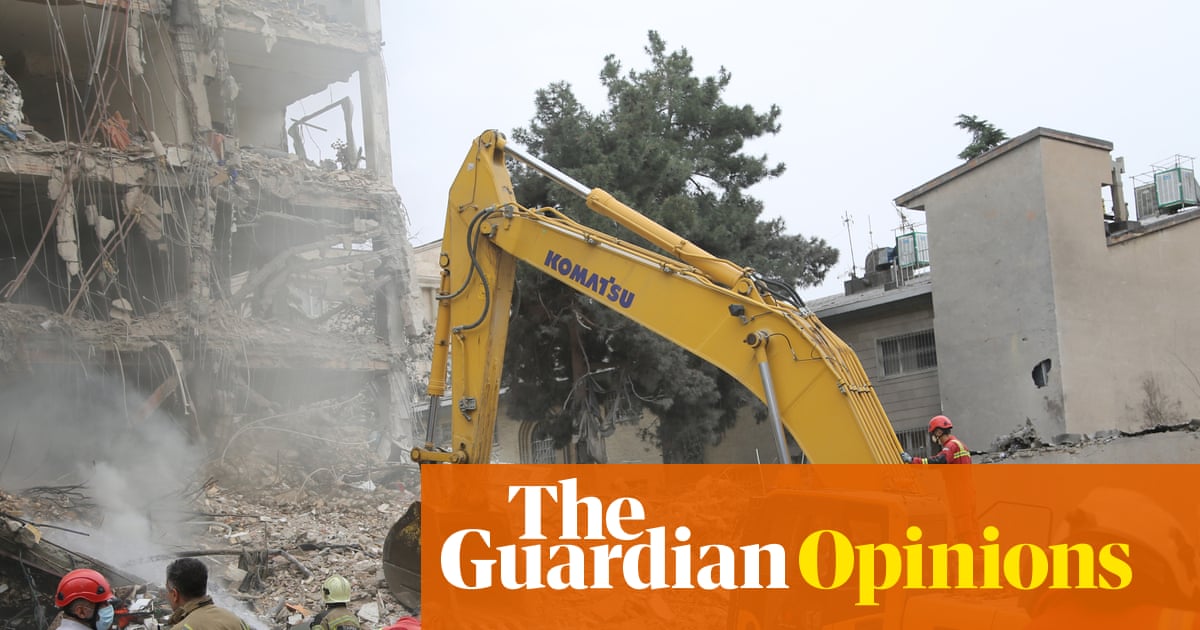
1 month agoTrump is being schooled on the limits of US power but he is a slow learner | Rafael Behr
Trump's military action against Iran revealed US strategic limitations rather than demonstrating superiority, as Iran's geographic leverage over global oil trade remains intact and economically damaging to America.
fromThe Conversation
3 weeks agoThe enduring legacy of medieval Christian depictions of Islam in today's political discourse
U.S. House Speaker Mike Johnson described Iran's majority faith tradition, Shiite Islam, as a 'misguided religion' while discussing the ongoing U.S. strikes against Iran on March 4, 2026.
Philosophy
#israel

World news
fromwww.theguardian.com
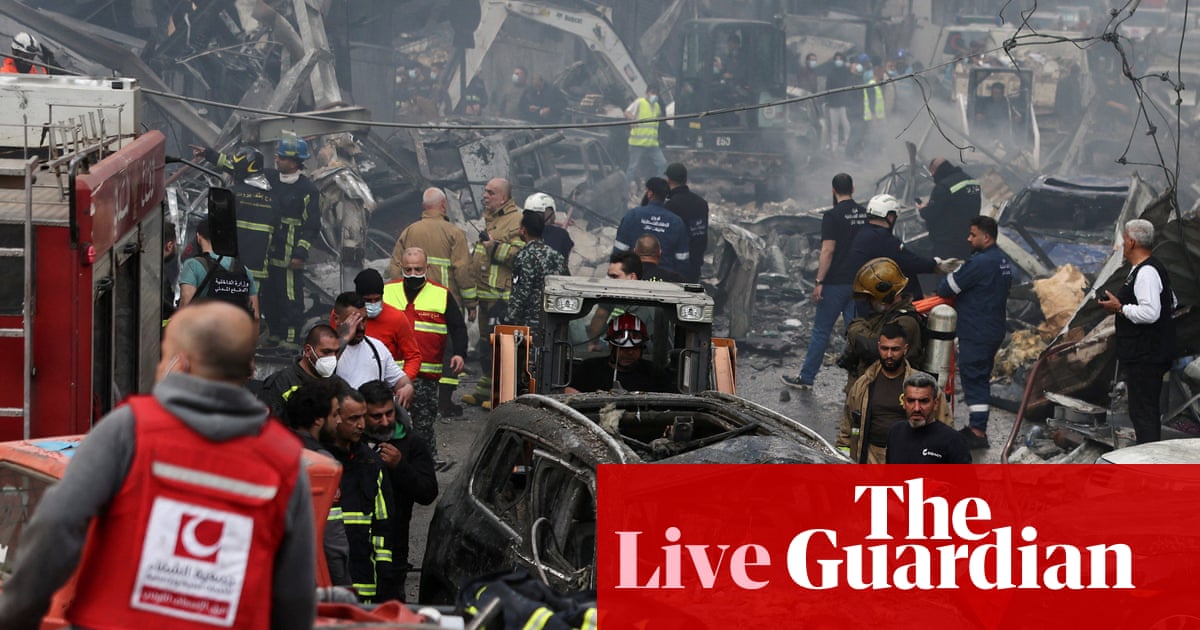
3 weeks agoMiddle East crisis live: Red Cross outraged' as Israeli strikes on Lebanon kill at least 254; strait of Hormuz impasse continues
The US-Iran truce is fragile as Israel intensifies bombardment of Lebanon, prompting threats from Iran regarding the strait of Hormuz.
fromwww.aljazeera.com
3 weeks agoEmpty ships and shut wells: Why the Iran war oil crisis is not over yet
After 40 days of fighting, the United States and Iran agreed to a two-week ceasefire, with negotiations expected to begin in Islamabad. One key point in Iran's proposal is allowing shipping to resume through the Strait of Hormuz, which has been closed since the war began, causing global oil prices to soar.
World news
World news
fromFortune
4 weeks agoOil climbs and stock futures drop as fuel shortages spread while Trump makes series of apocalyptic threats against Iran ahead of moving deadline | Fortune
Wall Street reacts to ongoing U.S.-Iran conflict with fluctuating stock futures and rising oil prices amid threats from President Trump.
#military-escalation
World news
fromwww.mediaite.com
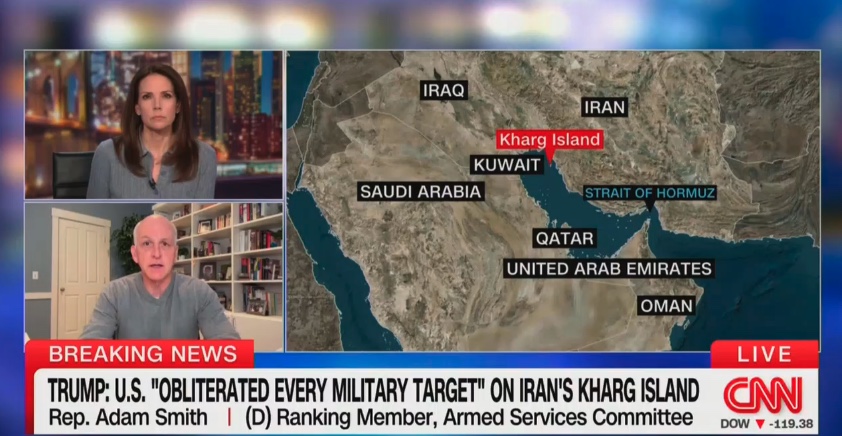
1 month agoCongressman Alarmed by Trump's Latest Iran Announcement: This Is All Very Far From Being Over'
Trump's bombing of Iran's Kharg Island indicates the U.S.-Iran conflict remains far from resolution with escalating costs and no clear path to achieving stated objectives.
World news
fromwww.theguardian.com
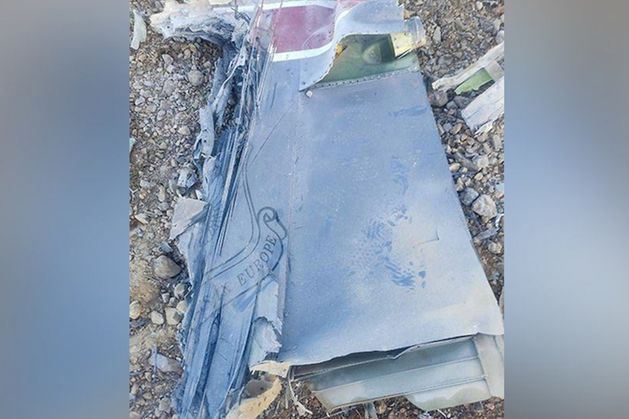
1 month agoMiddle East crisis live: US and Iranian forces race to recover missing pilot from downed jet; Israel bombards Beirut
The US-Iran conflict escalates with military actions, including downed aircraft and strikes on economic sites, impacting global energy supplies.
fromwww.dw.com
1 month agoAfter the Iran war, how fast could global trade recover?
The longer this conflict goes on, the more devastating its impact will be on the world's energy supplies, inflation and economic stability. Every extra week of disruption raises costs for consumers and businesses while growth slows.
World news
#trump-administration
World politics
fromFortune
1 month agoTrump leaves allies and foes guessing on his endgame for Iran | Fortune
Trump's unclear war objectives and shifting explanations create confusion among allies about when the US-Iran conflict will end, while Iran shows little willingness to cooperate and countries seek independent solutions.
fromCN Traveller
1 month agoGulf Air has issued new updates on its flights to the Middle East - here's everything you need to know
Due to the airspace closure in Bahrain, Gulf Air's scheduled services to and from Bahrain International Airport remain temporarily suspended. The airline currently operates temporary commercial flights to and from Bahrain via King Fahad International Airport in Dammam.
World news
Business
fromnews.bitcoin.com
1 month agoUS 10-Year Treasury Yield Hits 8-Month High Above 4.4%, Pulls Back on Middle East Ceasefire Reports
Bond prices fell due to rising inflation expectations and fiscal risks, with the 10-year yield reaching approximately 4.39% amid geopolitical tensions and increased military spending.
fromCN Traveller
1 month agoWhat the Iran-US conflict means for Turkish Airlines flights in the Middle East
Turkish Airlines has cancelled the majority of its Middle East flights until the end of March, as the conflict between the US and Iran continues to wreak havoc on international travel.
World news

fromwww.aljazeera.com
1 month agoSri Lanka says it denied US request to land two aircraft at Mattala airport
We turned down the request to maintain Sri Lanka's neutrality, he added to applause. The US-Israeli war on Iran has sparked widespread concern globally, as Iranian missile and drone attacks across the wider Middle East have sent energy prices soaring and fuelled fears of a widening conflict.
World news
World politics
fromwww.theguardian.com
1 month agoThe Guardian view on the Iran war escalation: as Trump breaks things, who will pick up the pieces? | Editorial
US-Israel military escalation against Iran, including attacks on critical infrastructure like the South Pars gasfield, has triggered Iranian retaliation and threatens global energy supplies and regional stability.
#strait-of-hormuz-security
World news
fromwww.theguardian.com
1 month agoTrump's threats to Nato reveal glaring absence of any strategy on Iran
The US lacks a coherent strategy for managing Iran escalation, evidenced by Trump's reactive demand for international naval escorts through the Strait of Hormuz after military strikes failed to address asymmetric threats to merchant shipping.
World news
fromwww.theguardian.com
1 month agoTrump says US may strike Iran's Kharg Island oil export hub just for fun'
Trump stated the US may conduct additional strikes on Iran's Kharg Island oil facility and called for international cooperation to secure the Strait of Hormuz amid US-Israeli military operations against Iran.
World news
fromenglish.elpais.com
1 month agoIran's Kurdish militias are waiting for the regime to weaken before making their move
Iranian Kurdish groups remain prepared to intervene against Iran's regime if it weakens, drawing inspiration from the failed 1946 Republic of Mahabad while facing uncertain U.S. military support under Trump's unpredictable leadership.
World news
from24/7 Wall St.
1 month agoStock Market Live March 19, 2026: S&P 500 (SPY) Slips on Gushing Oil Prices
U.S.-Iran conflict escalates oil prices to $97.30 crude and $112 Brent, threatening $200 oil as Middle East production collapses by 7-10 million barrels daily, triggering stock market declines and inflation concerns.
US politics
fromwww.mediaite.com
1 month agoPete Hegseth Attacks Dishonest and Anti-Trump Press' in Icy News Conference Rant
Secretary of Defense Pete Hegseth criticized media coverage of the U.S.-Israel conflict with Iran, accusing the press of downplaying Trump administration progress and amplifying costs to damage the president.
Europe politics
fromenglish.elpais.com
1 month agoThe EU is preparing to slam the door on Trump and cling to multilateralism
EU leaders prioritize multilateralism and rules-based order while addressing energy price surges and geopolitical instability driven by US-Iran conflict and Trump's foreign policy.
fromwww.aljazeera.com
1 month agoUS East Asian allies in legal quandary as Trump seeks help in the Middle East
Trump is expected to raise the issue of warships when he meets with Japanese Prime Minister Sanae Takaichi at the White House on Thursday, according to Al Jazeera correspondent Jack Barton. People do expect him to put pressure on Takaichi again to send warships to the Strait of Hormuz. It makes sense in a way because Japan is so dependent on energy supplies from the Middle East.
World politics
fromwww.npr.org
1 month agoWhy Trump's attacks and threats to Iran's Kharg Island are a big deal
In a March 13 post on Truth Social, Trump announced the U.S. Central Command completed "one of the most powerful bombing raids in History of the Middle East" when it "totally obliterated" military targets on Iran's Kharg Island. Even though he says the U.S. military left the oil assets alone, he threatened to strike those, too, if Iran continued to block the safe passage of ships and large oil tankers through the Strait of Hormuz.
World news
fromwww.aljazeera.com
1 month agoUS intel chief Gabbard says Iran was not rebuilding enrichment prior to war
Gabbard said in written testimony to the Senate intelligence committee, referencing the June 2025 US strikes on Iran's nuclear facilities, Iran's nuclear enrichment program was obliterated. There have been no efforts since then to try to rebuild their enrichment capability, Gabbard said in the written testimony.
World news
World politics
fromFortune
1 month agoThe U.S. attacked Iran to show its power but the war is already lost. Epic Fury looks like an Epic Fail | Fortune
The U.S. cannot achieve regime change in Iran through airstrikes alone without ground troops, making military victory unlikely to translate into political success and leaving America weakened.
World news
fromwww.theguardian.com
1 month agoTrump needs to reject Netanyahu's quest for a forever war | Kenneth Roth
The US-Israeli bombing campaign against Iran lacks legal justification, strategic clarity, and viable off-ramps, while counterproductively strengthening rather than weakening the Iranian regime.
fromThe Washington Post
1 month agoTop Gabbard counterterrorism official Joe Kent resigns in opposition to Iran war
After much reflection, I have decided to resign. I cannot in good conscience support the ongoing war in Iran. Iran posed no imminent threat to our nation, and it is clear that we started this war due to pressure from Israel and its powerful American lobby.
US politics
Right-wing politics
fromwww.aljazeera.com
1 month agoThe US-Israel war on Iran is shaped by religion as much as strategy
The US-Israeli conflict with Iran represents a collision of competing religious ideologies and strategic interests, with Christian nationalist ideology influencing American policy toward Iran's Islamic governance.
#middle-east-military-escalation
World news
fromTruthout
1 month agoMany Iranians Don't Just Fear a Prolonged War - But Also What Comes After
The U.S. and Israeli military campaign against Iran has extended into a third week, with Trump demanding international naval support for the Strait of Hormuz while oil prices rise and regional tensions escalate through mutual strikes.
World politics
fromwww.theguardian.com
1 month agoThe Guardian view on Trump's war with Iran: if the US is winning, why ask Nato for help? | Editorial
Trump's military dominance over Iran proves insufficient without allied support, as Iran's strategy of widening conflict and disrupting global oil trade through the Strait of Hormuz strains Western alliances and transforms military advantage into political vulnerability.
NYC parents
fromwww.theguardian.com
1 month agoUS citizens: Trump had no backup' plan to help them leave Middle East after Iran strike
US citizens in the Middle East report inadequate State Department support following the US-Israel conflict with Iran, with many unable to reach embassy officials despite seeking assistance.
Russo-Ukrainian War
fromwww.theguardian.com
1 month agoUkraine war briefing: Zelenskyy wants new system to control Ukraine drone sales
Zelenskyy established government controls over Ukrainian drone sales to foreign buyers and reprimanded a manufacturer for unauthorized interceptor sales, while the US seeks Ukrainian drone defense technology amid Middle East tensions.
World politics
fromwww.theguardian.com
1 month agoWar leader' Trump fixates on trivial matters as Iran death toll mounts
Trump's behavior during the US-Iran conflict has deviated from presidential norms, including golfing after military deaths and making tangential remarks about interpreters at diplomatic summits.
World news
fromFortune
1 month agoThe war with Iran has defense experts wondering if Khamenei will activate sleeper cells on U.S. soil | Fortune
President Trump warns of Iranian sleeper cells in the United States, while defense experts assess Iran may pursue retaliatory attacks against the U.S., Israel, and allies following significant military losses.
[ Load more ]