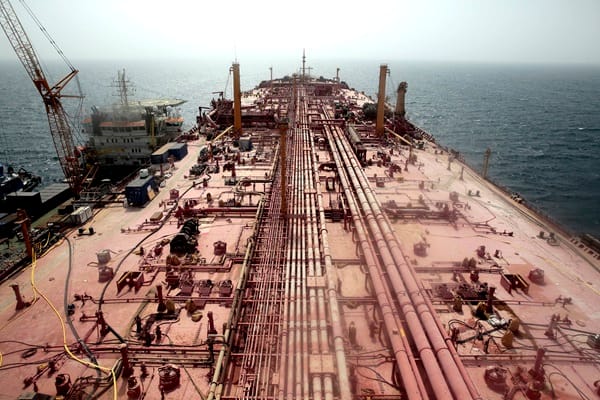
Weak performance in several service sectors offset gains in retail and wholesale trade, reinforcing concerns about the pace of economic recovery. Japan relies heavily on oil imports from the Middle East, making it particularly sensitive to disruptions in the region.
USDA estimates for major crops were largely unchanged from the previous month, resulting in muted market reactions. For wheat, the USDA maintained its U.S. production, supply, and ending stocks forecasts with no revisions. Global wheat production was adjusted slightly higher, largely due to increased output estimates in Ukraine and Kazakhstan, partially offset by a smaller Australian crop.
New York City drivers found themselves paying, on average, 31 cents more for a gallon of gas week-over-week, according to the American Automobile Association. The gallon price as of March 6 was $3.30, up from $2.99 on Feb. 27.
in order to land the nomination to succeed Jerome Powell the directive from the Oval Office was explicit: The candidate would have to be more dovish than Powell. Warsh, a former Fed Governor, fits the bill: He's bullish on the U.S. economy, thanks in large part to the promise of AI, and is advocating for relative economic tightening on the Fed's balance sheet to offset lower rates.
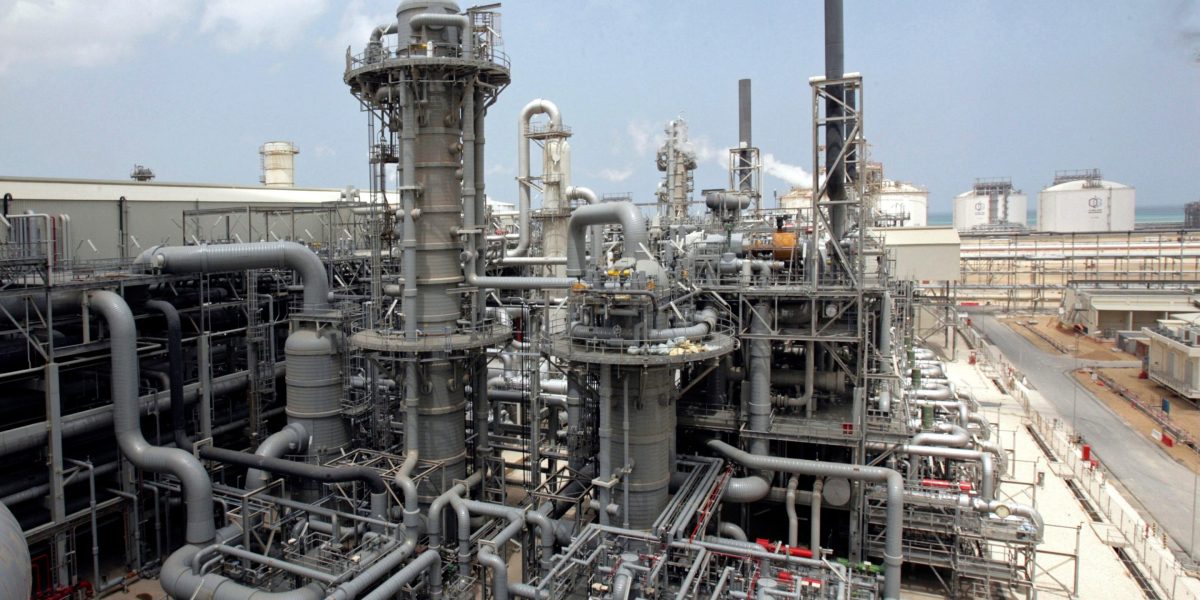
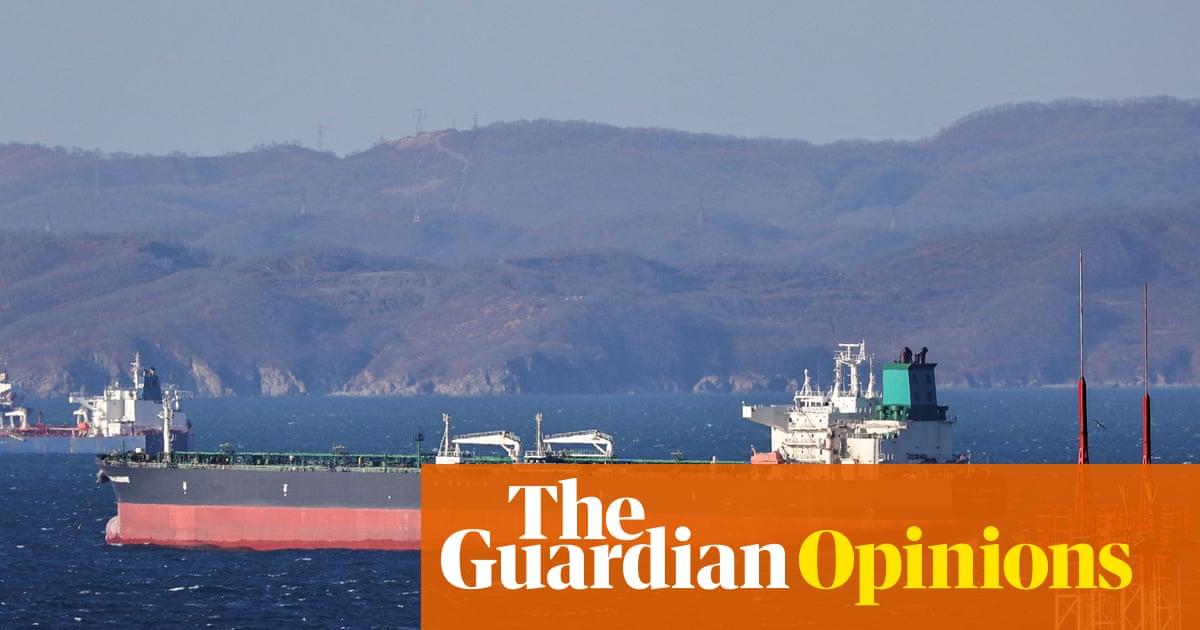
US and Israeli airstrikes on Iran have prompted Iran's Revolutionary Guard to declare the Strait of Hormuz closed, a critical chokepoint for global energy flows, and the conflict has now spread across multiple countries. The paradox for investors: an energy shock lifting oil prices is simultaneously crushing the metals complex.
The markets are retreating today after a two-day rally in which technology stocks were out front. Today, tech is a drag, with stalwart chipmaker Intel ( Nasdaq: INTC) down by a double digit percentage as worries around chip demand resurface. All three of the major stock market averages are seeing red, including a fractional decline in the Nasdaq Composite. Nvidia ( Nasdaq: NVDA) is a rare gainer today, tacking on 1.6% and preventing the markets from further declines.
U.S. President Donald Trump, with his lust for Greenland and hectoring of Europe, thinks the world is at his mercy,and thatthe U.S. is invincible. He's right on the first point. But he discovered this week that he's wrong about the second one. In Davos at the World Economic Forum, Trump climbed down on his Greenland threats after his actions caused chaos in the markets.
All strategies mix good days and bumper years with bad days and market-lagging returns. For commodities traders in 2025, it was more of the latter. Conflict in the Middle East caused volatility in oil prices. President Donald Trump's tariff policies, and their uneven implementation, led to fluctuations in the prices of crops, such as soybeans. The growing use of data centers by artificial intelligence giants has changed the outlook for electricity demand so drastically that even top investors in the space are unsure what the future holds.
The Consumer Price Index print for November lit a fire under stocks as it came in much lower than expected at 2.7%. However, many on Wall Street were quick to throw cold water on the party, saying the data was incomplete due to the government shutdown and that we need to see complete December statistics in January to make sure a lower inflation trend is indeed in place.