#energy-crisis
#energy-crisis
[ follow ]
#iran #strait-of-hormuz #middle-east-conflict #global-economy #iran-war #us-iran-relations #oil-prices #inflation
#uk-economy

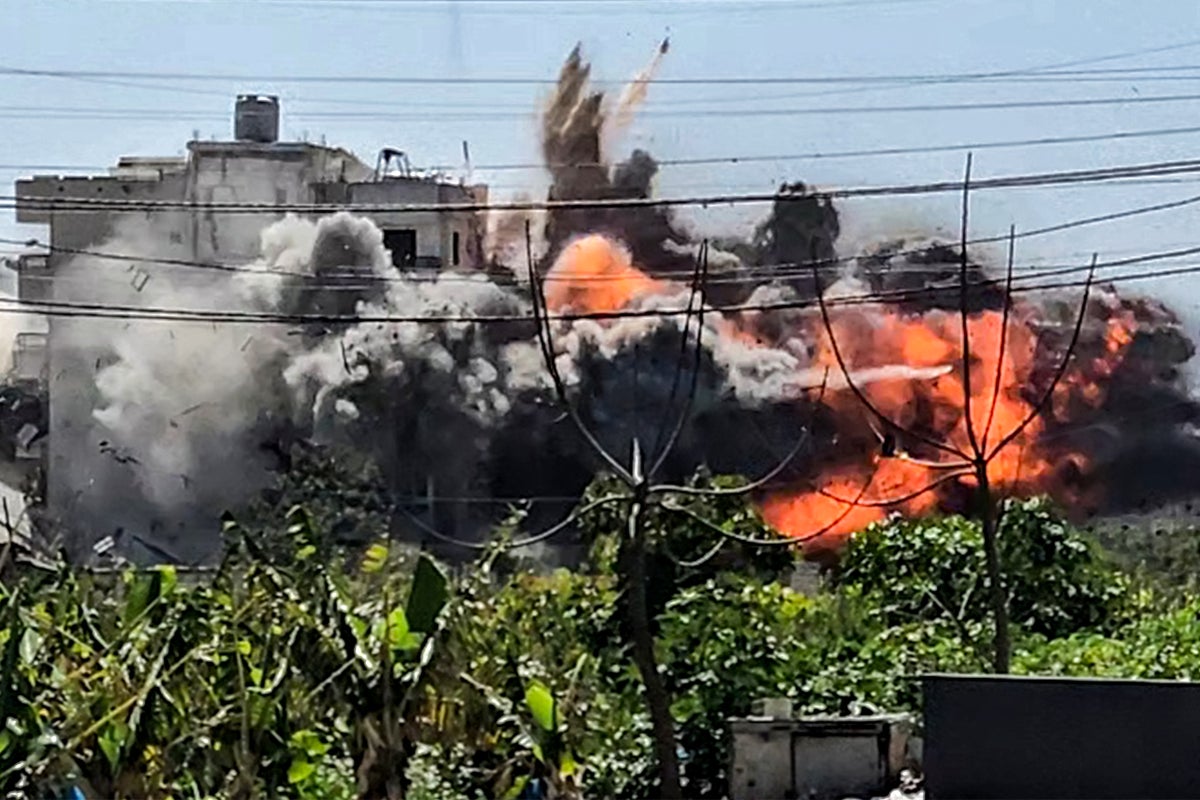

UK news
fromLondon Business News | Londonlovesbusiness.com
1 day agoMiddle East crisis to wipe 35bn from UK economy even in best-case scenario - London Business News | Londonlovesbusiness.com
The Middle East energy shock could reduce the UK economy by £35bn over two years, risking recession and prolonged inflation.
London startup
fromLondon Business News | Londonlovesbusiness.com
1 day agoBorrowing costs surge as gilt yields breach crisis-era levels amid oil shock fears - London Business News | Londonlovesbusiness.com
The ongoing Strait of Hormuz standoff is raising energy concerns and impacting global economies, leading to higher borrowing costs and potential interest rate hikes.


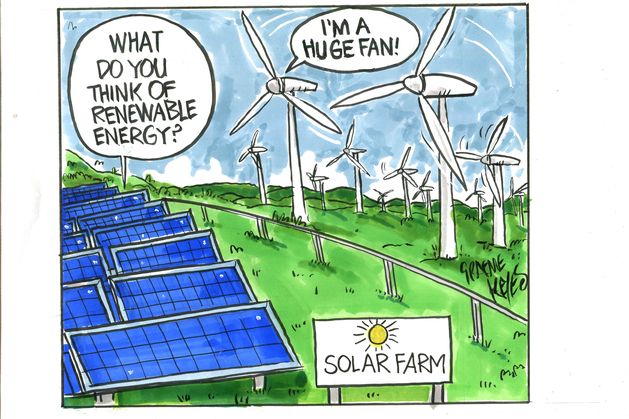
#oil-prices
World politics
fromLondon Business News | Londonlovesbusiness.com
2 weeks agoMarkets rattle as Middle East tensions spark oil surge and investor nerves - London Business News | Londonlovesbusiness.com
Escalating Middle East tensions caused a surge in oil prices and a sell-off in equities, raising fears of an energy crisis.

World politics
fromLondon Business News | Londonlovesbusiness.com
2 weeks agoMarkets rattle as Middle East tensions spark oil surge and investor nerves - London Business News | Londonlovesbusiness.com
Escalating Middle East tensions caused a surge in oil prices and a sell-off in equities, raising fears of an energy crisis.
#us-iran-relations




World news
fromFortune
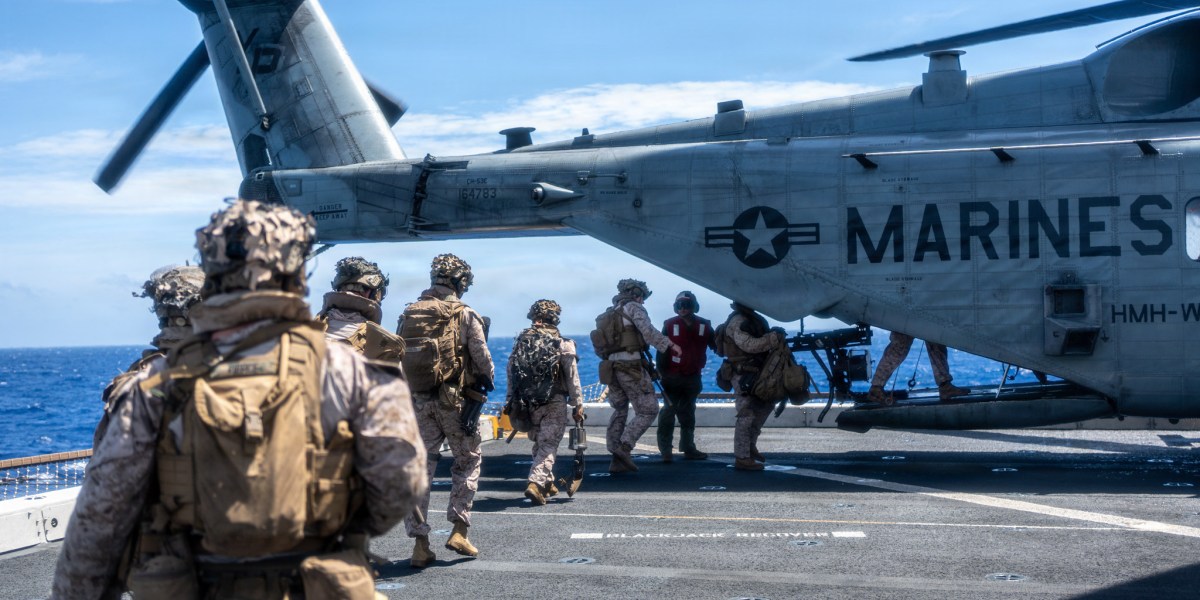
1 week agoThe U.S. is ready to seize Iran-linked ships with boarding parties, report says, while Marines practice maritime raids | Fortune
The fragile ceasefire between the U.S. and Iran deteriorated, escalating tensions in the Strait of Hormuz and impacting global shipping and energy markets.
World news
fromFortune
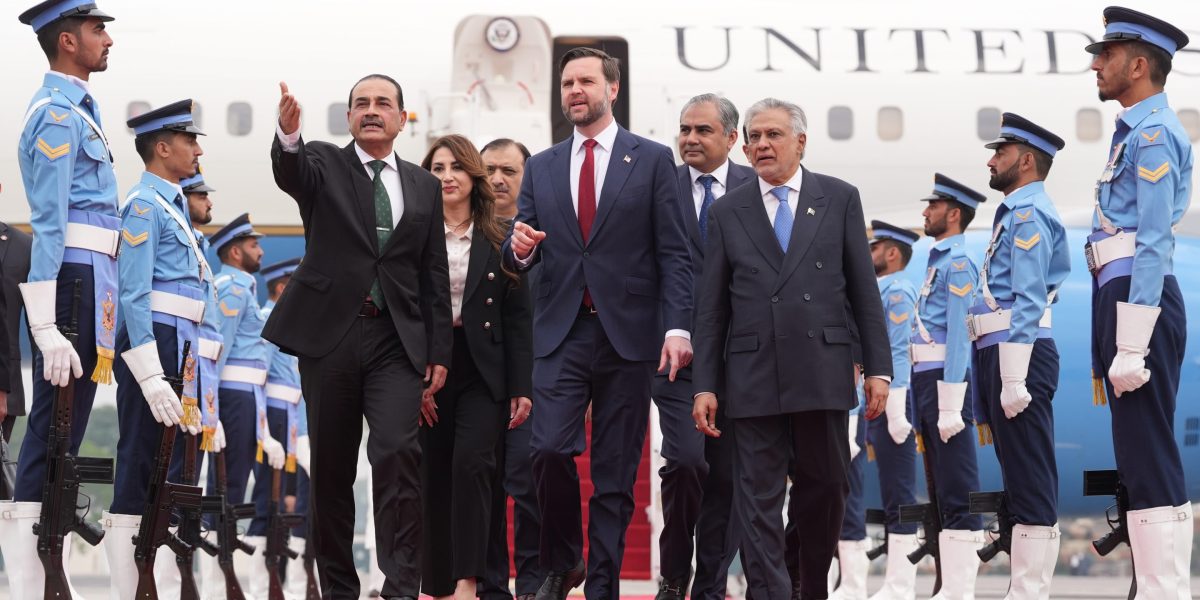
2 weeks agoJD Vance begins talks with Iran in Pakistan while Trump claims U.S. has begun 'clearing out' the Strait of Hormuz | Fortune
Negotiations between the U.S. and Iran have begun in Pakistan amid a fragile ceasefire, focusing on reducing Israeli strikes and addressing Iranian demands.


Europe news
fromLondon Business News | Londonlovesbusiness.com
1 week agoRussia is set to shut a key oil pipeline in a fresh blow to Europe's energy security - London Business News | Londonlovesbusiness.com
Moscow plans to close the Druzhba pipeline, threatening oil supplies to Europe amid rising energy pressures from the Iran conflict.

fromLondon Business News | Londonlovesbusiness.com
1 week agoMotorway speed cut urged as experts warn fuel shock could strain supplies - London Business News | Londonlovesbusiness.com
"Fuel use increases significantly at higher speeds, so even a relatively small reduction can result in noticeable savings," he stated. He added that lowering motorway speeds could improve fuel efficiency by around 10%, depending on the vehicle.
Alternative transportation





frominsideevs.com
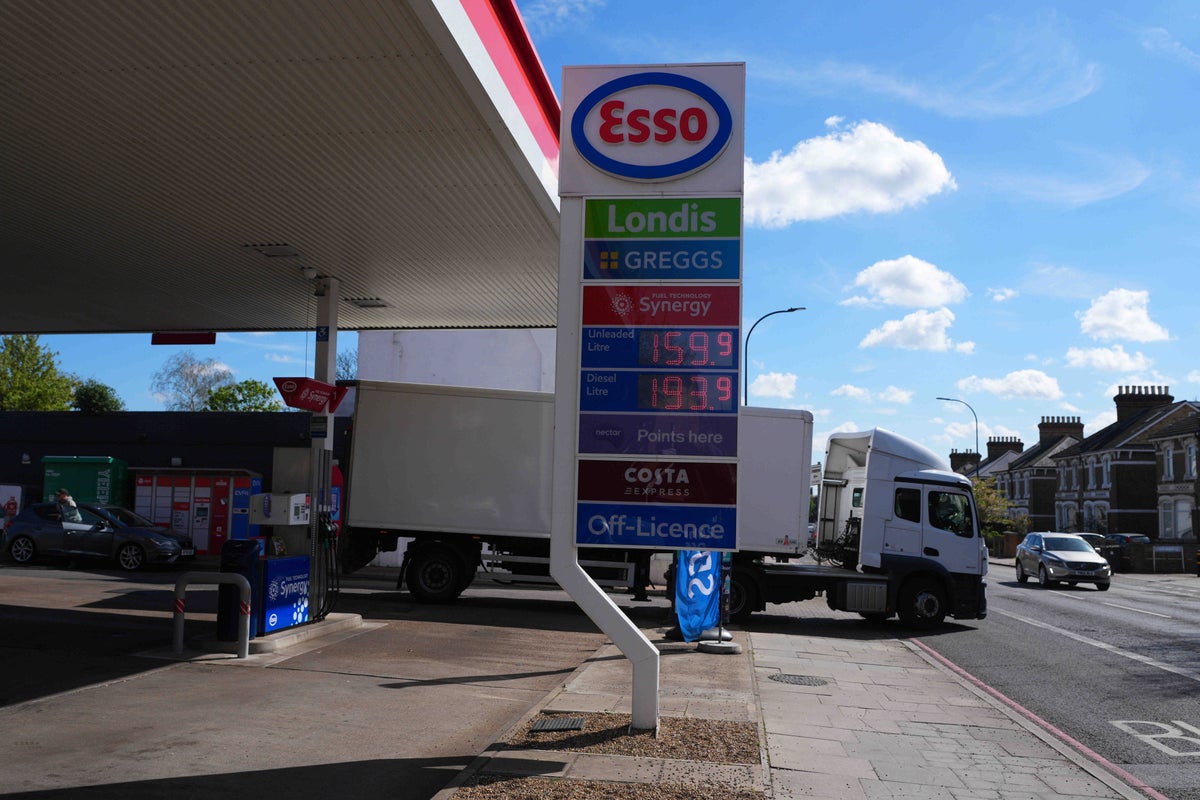
2 weeks ago40% Growth: How High Gas Prices Are Helping Hyundai Sell More EVs
"We have seen a significant change in the dynamic. So definitely, when the American consumer sees an increase in fuel prices they try to move to solutions which are more friendly in terms of cost, especially in states like California."
Cars
fromwww.aljazeera.com
2 weeks agoJet fuel shortage: Why Iran war could ground flights in Europe
Fatih Birol, head of the International Energy Agency, stated that Europe has maybe six weeks or so of jet fuel left, warning of possible flight cancellations soon if oil supplies remain halted by the war.
Europe news
Europe news
fromLondon Business News | Londonlovesbusiness.com
2 weeks agoIEA warns Europe has 'maybe six weeks or so of jet fuel left' - London Business News | Londonlovesbusiness.com
Europe may face flight disruptions due to jet fuel shortages linked to ongoing conflicts, with only six weeks of supply remaining.

fromwww.mediaite.com
2 weeks agoTop Trump Economic Aide Predicts Zero Inflation If Iran War Resolves Itself Somehow'
Hassett acknowledged that grocery prices have improved, but electricity prices remain high, along with health insurance and airline fares, indicating ongoing inflationary pressures.
US politics
fromwww.aljazeera.com
3 weeks agoIMF warns of looming inflation crisis on back of US-Israel war on Iran
The conflict has driven up the price of oil and natural gas; damaged oil refineries, tanker terminals and other energy infrastructure; disrupted shipments of fertiliser that the world's farmers depend on; and damaged the confidence of businesses and consumers.
World news
US Elections
fromFortune
3 weeks ago'Every time you see that power bill, you're just sick': Meet a West Virginian whose $900 electric charge is more than her fixed income | Fortune
Soaring utility costs are forcing families in West Virginia to choose between food and heat, despite living in an energy-rich area.
fromwww.aljazeera.com
3 weeks agoGlobal energy crisis is the mother of all crises': Turkish energy minister
We are going through what we might call the mother of all crises. The world has witnessed many oil crises in the past 50 years, such as the post-COVID-19 crisis and following geopolitical tensions.
Europe news
fromwww.aljazeera.com
3 weeks agoEmpty ships and shut wells: Why the Iran war oil crisis is not over yet
After 40 days of fighting, the United States and Iran agreed to a two-week ceasefire, with negotiations expected to begin in Islamabad. One key point in Iran's proposal is allowing shipping to resume through the Strait of Hormuz, which has been closed since the war began, causing global oil prices to soar.
World news
UK politics
fromLondon Business News | Londonlovesbusiness.com
3 weeks agoVance slams Labour as 'scandalous' over soaring UK energy costs - London Business News | Londonlovesbusiness.com
JD Vance criticizes the Labour Party for high energy costs in the UK, linking it to government policies and contrasting it with lower US energy prices.
[ Load more ]