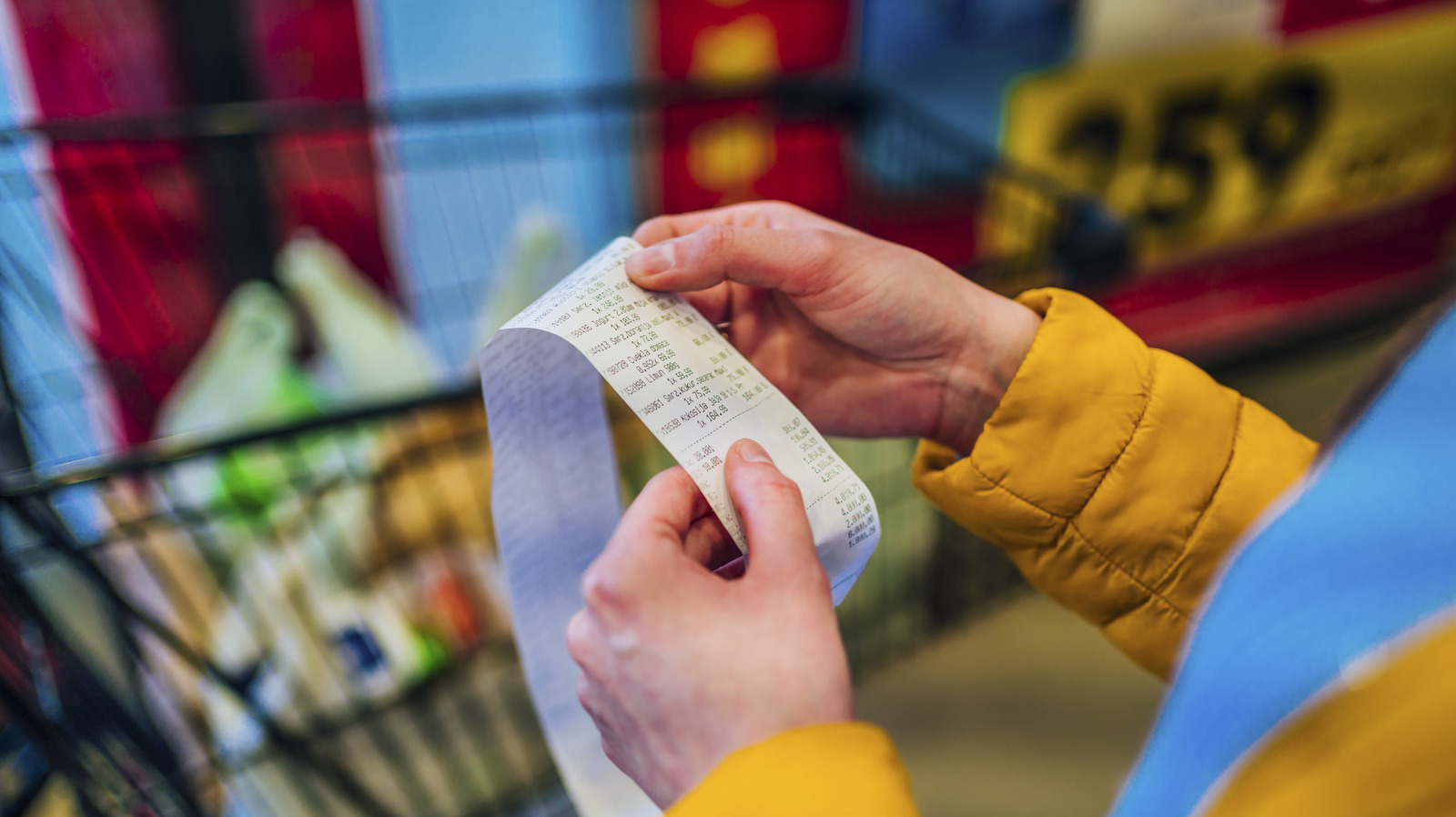
"Perishable items, such as fresh produce, meat, seafood, and dairy, are the first to experience price hikes when gas prices rise. Their short shelf life means producers cannot delay shipping costs."
"Transportation costs only make up about 9% of a grocery item's price. Many foods are shelf-stable, allowing suppliers to absorb minor cost fluctuations without raising prices immediately."
"Retailers are aware of consumer price sensitivity and often avoid hiking prices quickly, even if it means cutting into their profit margins to retain customers."
Gas prices directly impact grocery prices, particularly for perishable items like fresh produce, meat, seafood, and dairy. These items are affected quickly due to their short shelf life and the high fuel consumption of refrigerated transport. While transportation costs account for only about 9% of grocery prices, suppliers can absorb minor fluctuations temporarily. Retailers also avoid immediate price hikes to retain customers, leading to varied price increases across different food categories.
Read at Tasting Table
Unable to calculate read time
Collection
[
|
...
]