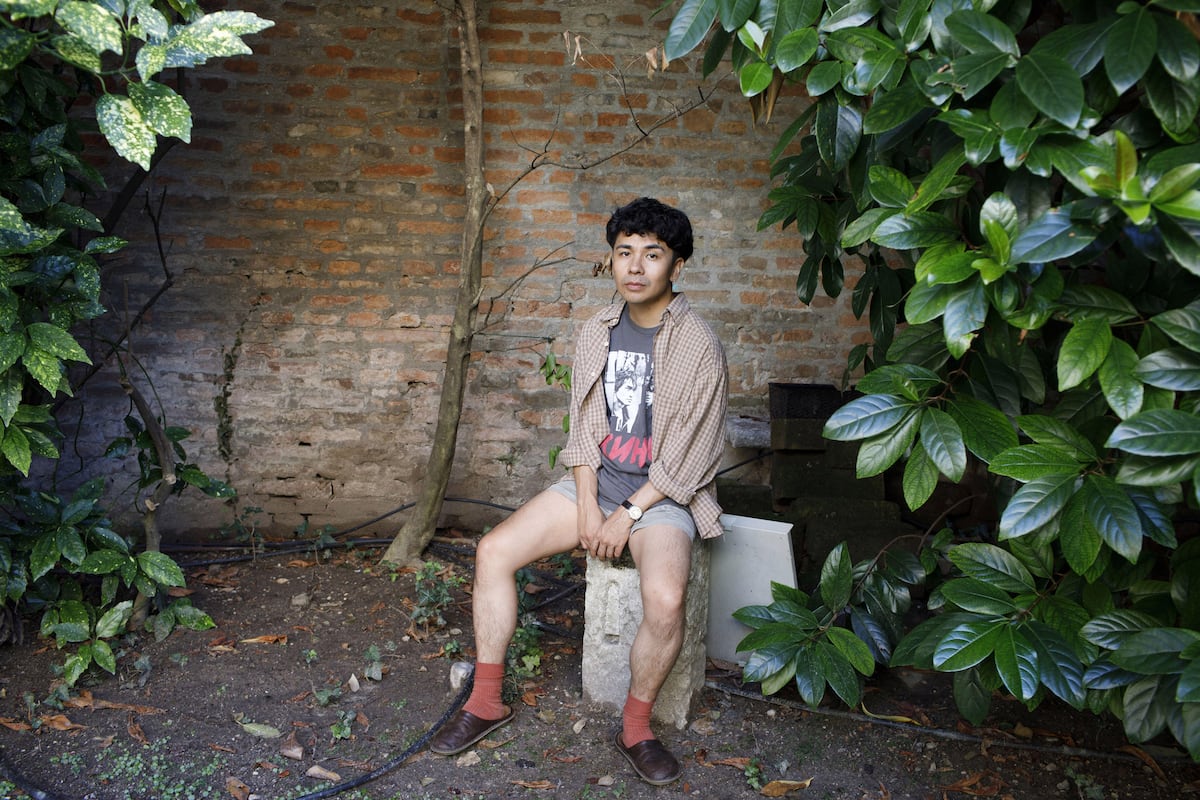
"In its pages, Vuong rediscovers the tenderness, humanity, humor and unpredictable moments of happiness in lives that unfold on the margins of society, or in the kitchens of a fast-food restaurant. He speaks of the existential void that permeates the landscape, about unusual friendships that pull the protagonist out of the quagmire, about dementia, desire, drug addiction, dreams and harsh realities where, nevertheless, there is room for human connection."
"Answer. I wanted to write a book about the failure of the American dream. I've rarely seen novels that are written about that, and if they are, they're very traumatic, full of poverty porn, without the dignity that I saw in working-class people. I wanted to write a novel where there were no victims and there were no villains. People live. People don't have to break out in order for the novel to have power or value."
The Emperor of Gladness is set in Joy, a fictional Massachusetts town, and follows lives on society's margins and in fast-food kitchens. Tenderness, humor, and fleeting happiness emerge amid existential emptiness and harsh daily realities. The narrative portrays working-class dignity rather than victimhood, exploring unusual friendships, dementia, desire, drug addiction, and dreams that intermittently lift the protagonist from quagmires. The tone balances delicate lyricism with rawness, refusing simple villains or heroes. Moments of human connection and unpredictable joy puncture bleak landscapes, arguing that lives possess value without dramatic escape or sensationalized suffering.
Read at english.elpais.com
Unable to calculate read time
Collection
[
|
...
]