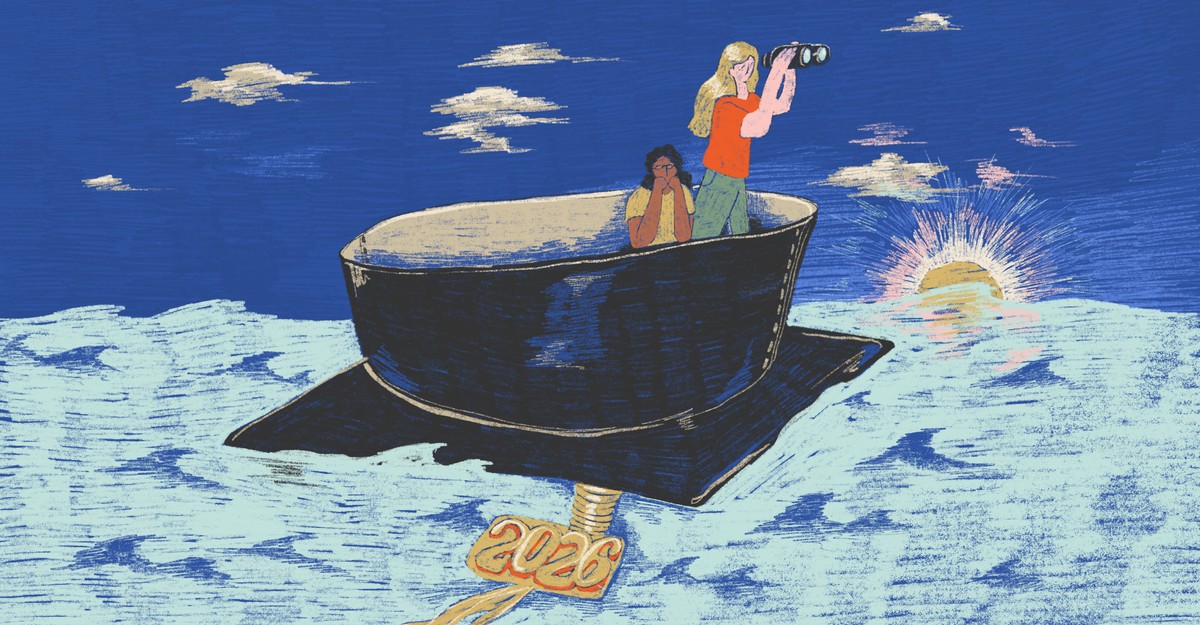
Young adults face questions about identity, goals, and navigating the world without guaranteed answers or a single predetermined path. Learning can come from examples rather than prescriptive advice or quick-fix self-help. Inspiration is framed as coming from writers who model what others might emulate, emphasizing patience and attentiveness to the present while understanding the past. A memoir and writing manual by Stephen King is presented as accessible and necessary, offering lessons on persistence, teachable moments from negative experiences, and the power of brevity. The work demystifies his process by urging recognition of good ideas and cautioning against overreliance on premeditation, arguing that creative narratives often develop on their own when given room to grow.
"Young people on the cusp of adulthood are full of big questions: Who am I? Who do I want to be? And how do I find my way through the world? There aren't always firm answers to be found-I wish I'd understood, in my 20s, that "figuring things out" is a lifelong endeavor with no guarantee of success. But even though there's no one predetermined path to follow, that doesn't mean we can't learn from the examples of those who have come before us."
"Notice that I said "examples," not "advice." As a recovering women's-magazine writer, I'm suspicious of anything that reeks of prescription or self-help. Most smug articles and books that claim to provide quick fixes come off as tone-deaf or even counterproductive. I believe that the best way to locate inspiration is by looking to writers who illustrate what you might want to emulate, rather than those who lead by edict or exhortation. The authors of the seven titles below all fit that bill."
"Even those who aren't King fans or fellow writers will find something to take from it: the importance of persistence in one's work, the teachable moments that can come from negative experiences, the power of brevity. After recalling his own beginnings as a writer, King demystifies his process (don't force good ideas, he says, but "recognize them when they show up"). Most broadly applicable is his argument against overreliance on premeditation when trying to figure out how to get from A to B."
"Creative spontaneity is crucial, he contends, and narratives "pretty much make themselves," so the job of the writer "is to give them a place to grow." This, I think, is pow"
Read at The Atlantic
Unable to calculate read time
Collection
[
|
...
]