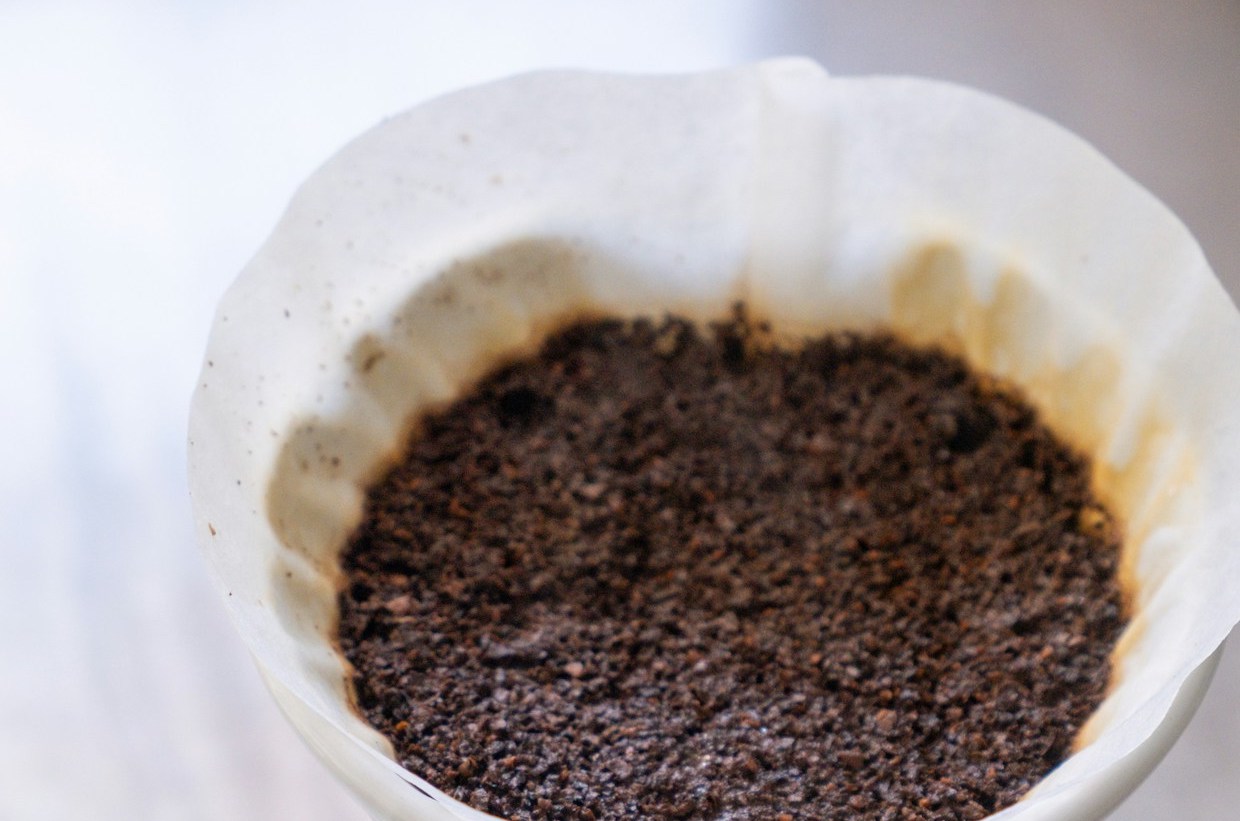
"By optimising the decomposition conditions, we were able to significantly enhance the material's performance while keeping the process low-cost and environmentally friendly. It is exciting to see a circular-economy approach translate into a practical solution for real-world water treatment challenges."
"Researchers at the UK's Loughborough University tested ways to turn coffee waste into low-cost adsorbents - materials that can bind and capture dissolved contaminants - targeting heavy metals such as lead, copper and zinc."
"After testing multiple biochar formulations based on temperature, heating rate and heating time, the researchers found that the optimal formulation was able to remove nearly 98% of lead from water, with the biochar holding 4.9 milligrams of lead per gram."
Researchers at Loughborough University are developing methods to repurpose spent coffee grounds as water treatment materials. Two new studies demonstrate practical applications: one converts coffee waste into porous biochar that removes nearly 98% of lead from water, while another tests treated coffee waste combined with rice husk biochar to remove copper and zinc at low concentrations. These approaches optimize decomposition conditions to enhance performance while maintaining low costs and environmental friendliness. The research represents a circular-economy solution addressing water contamination challenges by transforming coffee waste into functional adsorbents that bind and capture dissolved contaminants.
Read at Daily Coffee News by Roast Magazine
Unable to calculate read time
Collection
[
|
...
]